 Ferndale Siding
 Lummi Island's Weather Is Harder on Siding Than People Expect
Lummi Island sits surrounded by saltwater, with no bridge connecting it to the mainland — every homeowner, every contractor, and every truckload of material gets there by ferry. That isolation shapes more than logistics. It also means island homes take on a different weather profile than a house a few miles inland in Ferndale: constant exposure to salt-laden air, wind-driven rain coming off open water with nothing to break it, and a wet, shaded climate that keeps moss and algae growing on north-facing walls for most of the year. Siding on the island doesn't fail because homeowners neglected it. It fails because it was never matched to what the site actually throws at it.
A siding replacement here isn't just a swap of old material for new. Done right, it's a chance to correct whatever combination of product choice, installation shortcuts, or plain wear let water and salt get a foothold in the first place.
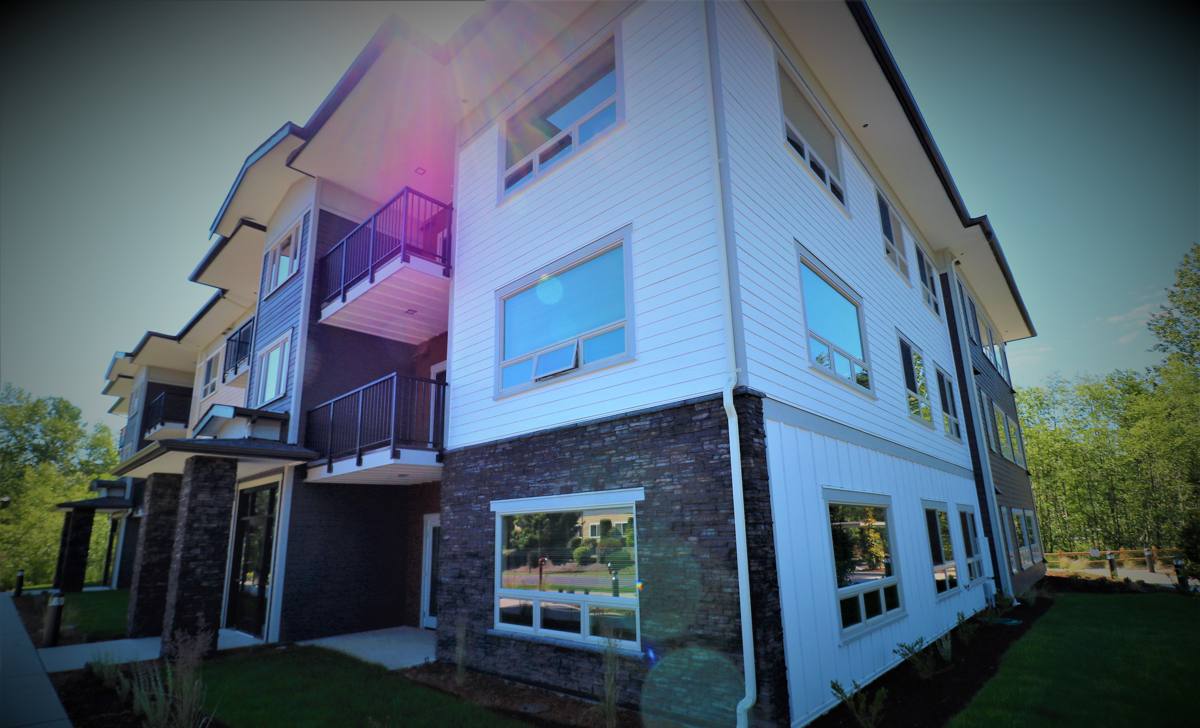
What Salt Air, Rain, and Moss Actually Do to a House
Salt Air and Corrosion
Airborne salt settles on every exterior surface within reach of the water, and it doesn't wash off completely with rain. Over years, it attacks exposed metal fasteners, flashing, and trim, and it accelerates the breakdown of coatings that aren't formulated to resist it. Siding with a weak or thin factory finish will chalk, fade, and lose its protective layer faster on Lummi Island than the same product would on a home thirty miles inland.
Wind-Driven Rain and Water Intrusion
Rain that comes in sideways off open water behaves differently than rain falling straight down. It gets pushed up under laps, into seams, and behind trim that would stay dry in a more sheltered location. If the siding, flashing, and weather barrier underneath weren't installed with that in mind, water finds its way to the sheathing — and once it's in, it stays in, because the same damp climate that grows moss also slows drying.
Moss, Algae, and Trapped Moisture
Tree cover, shade, and a long wet season give moss and algae months at a time to establish themselves on siding, especially on north and west-facing walls. Beyond the cosmetic issue, moss holds moisture directly against the siding surface, which is exactly the kind of sustained dampness that rots wood-based products and stresses even durable materials if they weren't installed with proper drainage and clearance.
Why We Install Only James Hardie Fiber Cement Here
We don't offer vinyl, LP SmartSide, primed wood, or cedar on any of our projects, and Lummi Island is exactly the kind of site that explains why. James Hardie fiber cement is non-combustible, dimensionally stable, and doesn't rely on a surface coating that has to fight off salt exposure for decades on its own. The ColorPlus finish is a factory-applied, baked-on finish engineered to resist fading and hold up to UV and moisture exposure far better than field-applied paint, which matters on a home where repainting means coordinating a crew, a ferry schedule, and good weather all at once.
Hardie also builds specific product lines for high-moisture, humid climates — commonly referred to as HZ5 in this region — engineered with the Pacific Northwest's rain and humidity in mind rather than a one-size-fits-all national spec. Combined with a strong, transferable warranty, that's the reason we standardized on this one product system instead of offering a menu of options with very different long-term track records.
What a Correct Siding Replacement Involves
Replacing siding on a home exposed to salt air and driving rain is not a cosmetic job — it's a weatherproofing job that happens to also change the exterior's appearance. A correct replacement includes:
- Full removal of the old siding and trim, not installation over an existing layer
- Inspection of the sheathing underneath for rot, soft spots, or prior water damage before anything new goes up
- Repair or replacement of any compromised sheathing or framing found during tear-off
- Installation of a weather-resistive barrier suited to a high-moisture climate, correctly lapped and sealed
- Properly integrated flashing at windows, doors, roof lines, and any wall penetrations
- Fastening, gapping, and caulking per James Hardie's published installation specifications — not general carpentry judgment
- Correct clearance from grade, roof lines, and decks to keep the bottom edge of the siding out of standing water and debris
Skipping or rushing any one of these steps is how a brand-new siding job ends up with the same moisture problems as the one it replaced, just delayed by a few years instead of prevented.
Comparing How Common Siding Materials Hold Up in This Climate
| Material | Salt Air / Moisture Performance | Moss & Algae Resistance | Ongoing Maintenance |
|---|---|---|---|
| James Hardie fiber cement | Strong — non-combustible, stable, factory-finished | Good when installed with proper drainage and clearance | Occasional washing; no repainting for the life of the ColorPlus finish |
| Vinyl siding | Can warp, fade, or become brittle with UV and temperature swings | Moderate; seams and laps can trap moisture and debris | Low, but panels are difficult to color-match if damaged and replaced |
| LP SmartSide (engineered wood) | Wood-based core is vulnerable if the factory coating is breached | Sensitive to prolonged dampness at seams and cut edges | Regular inspection and prompt caulking are important |
| Primed wood or cedar | Requires an intact paint or stain film to resist moisture at all | Moss and algae readily colonize bare or worn wood surfaces | Highest — periodic repainting, staining, and moisture monitoring |
This isn't a claim that the alternatives are unusable everywhere — it's a reflection of why, on a site with this much sustained salt and moisture exposure, we've chosen to put our name behind one product system rather than install something we'd be back to service or explain away in a few years.
The Realities of Scheduling Work on an Island
Every trip to Lummi Island — for an estimate, a material delivery, or a crew — runs on the ferry, not on a contractor's convenience. A crew that doesn't regularly work the island tends to underestimate this: they plan trips the way they would for a mainland job in Ferndale or Bellingham, then lose time and money to missed sailings, under-ordered material, or a second unplanned trip to bring back something they forgot. That inefficiency doesn't stay invisible — it shows up in the bid, the schedule, or both.
A crew that already works Lummi Island plans differently from day one: measuring and ordering carefully enough to avoid a second material run, scheduling the crew's time on the island in efficient blocks rather than daily back-and-forth trips, and building the ferry schedule into the project timeline instead of discovering it mid-job. That experience is worth asking about directly when you're comparing contractors for island work.
Our Process for a Lummi Island Siding Replacement
We treat island logistics as part of the estimate, not an afterthought discovered later:
- On-site assessment — we look at the existing siding, sheathing condition, moss and moisture patterns on each elevation, and wind/rain exposure specific to your home's position
- Accurate measurement and material ordering — ordered as a complete package to avoid a second ferry trip for missing pieces
- Ferry-aware scheduling — crew time on the island is planned in efficient blocks so labor time is spent installing, not commuting
- Tear-off, sheathing repair, and correct installation — following James Hardie's specifications for fastening, flashing, and weather barrier integration
- Final walkthrough and cleanup — confirming the finished work with you before we leave the island
Signs Your Lummi Island Home May Need Siding Replacement
- Persistent moss or algae growth that returns quickly after cleaning
- Soft, spongy, or discolored siding, especially near the bottom edge or under windows
- Visible rust streaking from fasteners or metal trim
- Peeling, chalking, or faded paint that no longer holds a fresh coat well
- Warped, cupped, or separating boards or panels
- Soft sheathing or trim discovered when probing near corners, window sills, or the foundation line
- Rising energy bills that suggest air or moisture is getting past the exterior wall assembly
Protecting Your Investment After Installation
Correctly installed James Hardie siding is low-maintenance, not zero-maintenance, especially in a climate that grows moss this readily. Keep gutters clear so water isn't overflowing onto wall sections below, trim back vegetation and tree limbs that keep siding shaded and damp longer than necessary, and rinse off moss or algae buildup before it has a chance to establish itself. A quick visual check once or twice a year — looking at caulking, trim joints, and any area near grade — catches small issues while they're still small.
If your siding is showing signs of wear, or you're planning ahead for a replacement on your Lummi Island home, we're happy to walk the property, explain what we're seeing, and put together a straightforward, no-pressure estimate. Reach out through the form below to get started.