 Ferndale Siding
 Why Point Roberts Windows Take More Punishment Than Most
Point Roberts sits out on its own point of land, surrounded on three sides by saltwater, which means every window on a Point Roberts home is dealing with a marine environment almost every day of the year. Salt-laden air corrodes hardware, breaks down weatherstripping faster than inland Whatcom County homes ever see, and works its way into any gap in the seal around a window frame. Add in driving rain that comes sideways off the water during winter storms, plus a moss season that stretches long into spring because everything stays damp, and you have a climate that is genuinely harder on windows than most of western Washington.
None of that means Point Roberts homes need exotic products. It means the window, the flashing, and the installation all have to be matched to salt air and wind-driven rain from the start, not treated the same as a job forty miles inland.
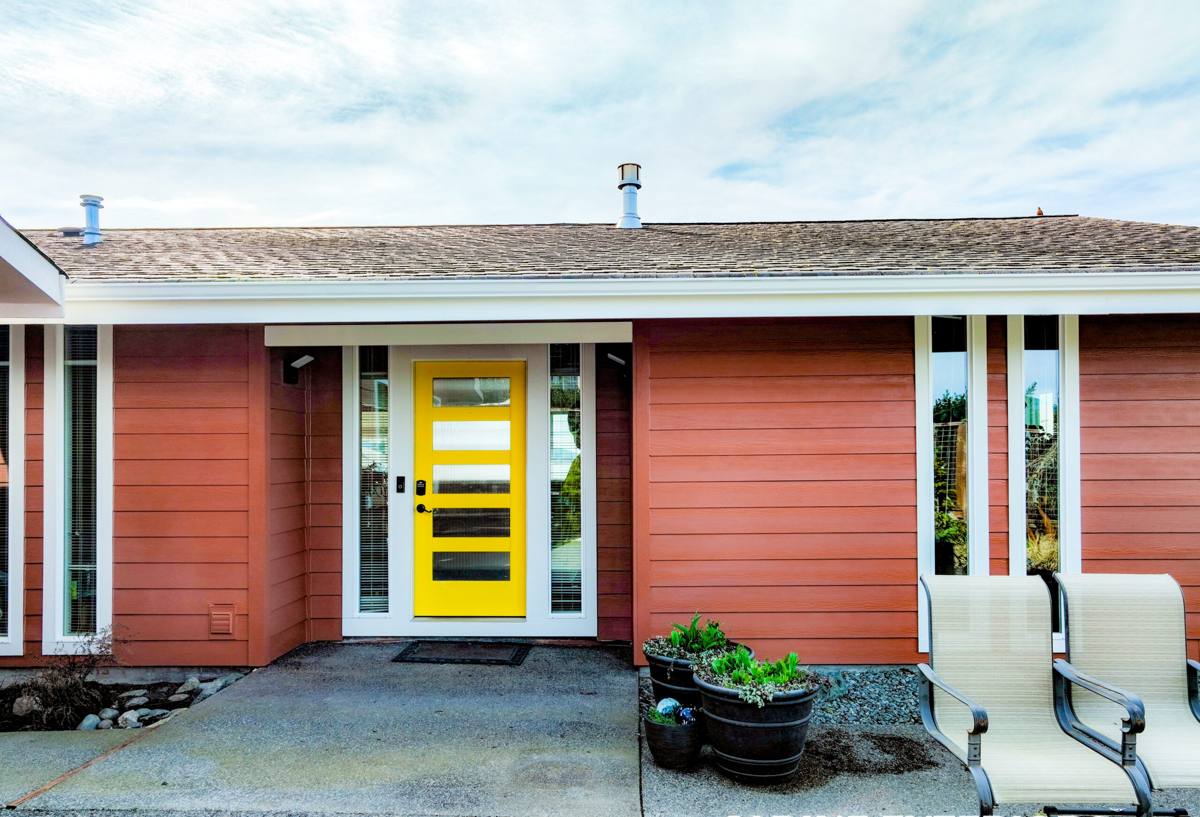
What "Energy-Efficient" Should Actually Mean Out Here
It Starts With the Glass, Not the Marketing Sticker
Every window sold today carries an energy-efficient label of some kind. What actually matters for a Point Roberts home is the combination of U-factor (how well the window resists heat loss) and Solar Heat Gain Coefficient (how much solar heat passes through). In a marine climate with a lot of overcast days and cool, damp air pressing against the glass most of the year, a lower U-factor pays off more directly than chasing solar gain numbers meant for sunnier climates.
Double-Pane vs. Triple-Pane
Most Point Roberts homes do perfectly well with a quality double-pane window that has argon gas fill and a low-E coating. Triple-pane glass adds real value in a few specific situations — a home with a lot of west-facing glass catching wind off the water, or an owner who wants noticeable sound dampening from wind and weather. It's not a requirement for every project, and we'll tell you honestly when the upgrade is worth the added cost and when it isn't.
Signs Your Current Windows Are Working Against You
A lot of Point Roberts homeowners live with window problems for years before connecting them to the windows themselves. Watch for these:
- Condensation forming between the panes (a sign the seal has failed and the gas fill is gone)
- Visible corrosion or chalky white residue on aluminum frames or hardware
- Drafts you can feel with your hand near the frame on a windy day
- Soft or discolored wood trim around the window opening, often a sign moisture has been getting behind the frame
- Difficulty opening, closing, or locking a window that used to operate smoothly
- Rooms near exterior windows that feel noticeably colder than the rest of the house
- Rising heating bills without any other explanation
Any one of these on its own might just mean a tune-up. Several together usually mean the windows have reached the end of their useful life in this climate.
Frame Materials Compared for a Marine, Salt-Air Climate
Frame material matters more here than in a lot of inland installs, because salt air and constant moisture are hard on some materials and barely affect others. Here's how the common options stack up for a Point Roberts install:
| Frame Material | Salt Air / Moisture Behavior | Maintenance | Typical Lifespan |
|---|---|---|---|
| Vinyl | Won't corrode or rot; performs well in coastal air | Low — occasional cleaning | 20-30+ years |
| Fiberglass | Excellent — very stable in temperature swings and salt exposure | Low | 30+ years |
| Wood-clad | Vulnerable if cladding is breached; moisture gets trapped in the wood core | Higher — needs monitoring at joints and sills | 20-25 years with upkeep |
| Bare aluminum | Prone to corrosion and pitting in salt air over time | Moderate to high | Varies widely |
We don't refuse to install wood-clad windows, but we're straightforward with clients about the maintenance commitment that comes with them this close to saltwater. For most Point Roberts homes, vinyl or fiberglass frames deliver the best combination of energy performance and long-term durability without adding upkeep to your list.
Installation Details That Matter More Here Than Elsewhere
The window itself is only part of the job. In a climate with driving rain and constant humidity, how the window is installed determines whether it performs for twenty years or starts leaking in five.
Flashing and Weather Barrier
Proper flashing — installed in the correct shingle-lap order so water is always directed outward and downward — is what actually keeps wind-driven rain from working its way behind the frame and into your wall cavity. This is the step that gets rushed on cut-rate jobs, and it's the one most likely to cause hidden rot years later.
Sealants Built for Wind and Salt
Not every exterior sealant holds up to constant salt spray and UV exposure. We use sealants rated for exterior marine-adjacent conditions at every window opening, not just a generic caulk bead.
Sill Pans
A sill pan under the window creates a secondary drainage path if any water ever does get past the primary seal. Given how much rain a Point Roberts home takes on in a typical winter, this extra layer of protection is worth doing right rather than skipping.
How We Handle a Point Roberts Project
Point Roberts is a bit of a logistical exception even within Whatcom County — it's a small peninsula that requires crossing an international border to reach by road. That changes how a window project gets planned and scheduled compared to a job in Ferndale proper.
- On-site assessment: We measure every opening, check for existing moisture damage around sills and trim, and confirm which frame and glass package makes sense for that specific side of the house (a north-facing wall exposed to wind off the water is a different consideration than a sheltered south wall).
- Material staging: Because of the border crossing, we plan material delivery and crew scheduling in advance rather than making multiple back-and-forth trips, which keeps the project moving efficiently and keeps costs predictable.
- Installation: Old windows come out, any hidden moisture damage gets addressed before the new unit goes in (patching over rot is never the right call), and the new window is flashed, sealed, and insulated around the frame.
- Final check: We test operation, confirm a clean seal, and walk the exterior trim with you before we consider the job finished.
What Drives the Cost of a Window Project
Every home is different, but the same handful of factors determine most of the cost on a Point Roberts window job:
- Number of window openings being replaced
- Frame material chosen (vinyl, fiberglass, or wood-clad)
- Glass package — standard double-pane low-E vs. upgraded triple-pane
- Condition of the existing framing and whether rot repair is needed before installation
- Window size and configuration (standard double-hung vs. large picture windows or custom shapes)
- Access and site logistics for the specific property
Straightforward full-frame replacements on a typical home generally run in the low-to-mid thousands per window installed, with total project cost scaling from there based on the factors above. We always provide a written, itemized estimate before any work starts so there are no surprises.
Living With Windows in a Moss-Season Climate
Keeping energy-efficient windows performing well in Whatcom County's damp, moss-prone stretch of the year doesn't take much, but a few habits go a long way:
- Rinse frames and tracks periodically to clear salt residue before it accumulates
- Check weep holes on vinyl and fiberglass frames to make sure they're not clogged with debris or moss
- Inspect exterior caulking annually, especially after winter storm season
- Wipe down interior sills if condensation appears, and mention it to us if it becomes frequent — it can be a sign of a ventilation or seal issue worth checking
Why Local Experience With Point Roberts Actually Matters
A crew that hasn't worked in Point Roberts before will plan the job the same way they'd plan one in a typical inland neighborhood — and that's exactly where problems start. The border crossing affects scheduling and material logistics, the wind exposure varies noticeably from one side of the peninsula to the other, and the salt air demands product choices and sealant standards that a generic approach glosses over. A contractor who has already done the planning and knows what this specific stretch of coastline throws at a window installation is going to get it right the first time, without the project turning into a series of surprises.
If your Point Roberts home has drafty, foggy, or corroding windows, or you're planning ahead for a renovation, we're happy to take a look and give you an honest read on what your home actually needs. Reach out for a free, no-pressure estimate using the form below.