 Ferndale Siding
 Why Windows Fail Faster in Point Roberts
Point Roberts sits on its own peninsula at the southern tip of the Tsawwassen lands, surrounded on three sides by the Strait of Georgia and Boundary Bay. That location gives homes here some of the most exposed, moisture-heavy conditions anywhere in Whatcom County. Salt-laden air moves in off the water year-round, wind-driven rain hits window walls at angles that shingles and siding alone can't always shed, and the long, damp Pacific Northwest winter keeps wood, trim, and glazing wet for weeks at a stretch. Add a moss season that can run from fall through spring, and you have a climate that finds every weak point in a window unit — corroded hardware, soft sills, fogged glass, swollen sashes — faster than it would inland.
None of that means Point Roberts homes need exotic solutions. It means the basics — flashing, sealants, materials, and installation sequencing — have to be done correctly and matched to a marine environment, not a generic one. That's the whole focus of this page: what window replacement actually requires for homes in this specific area, and what a correct job looks like from start to finish.
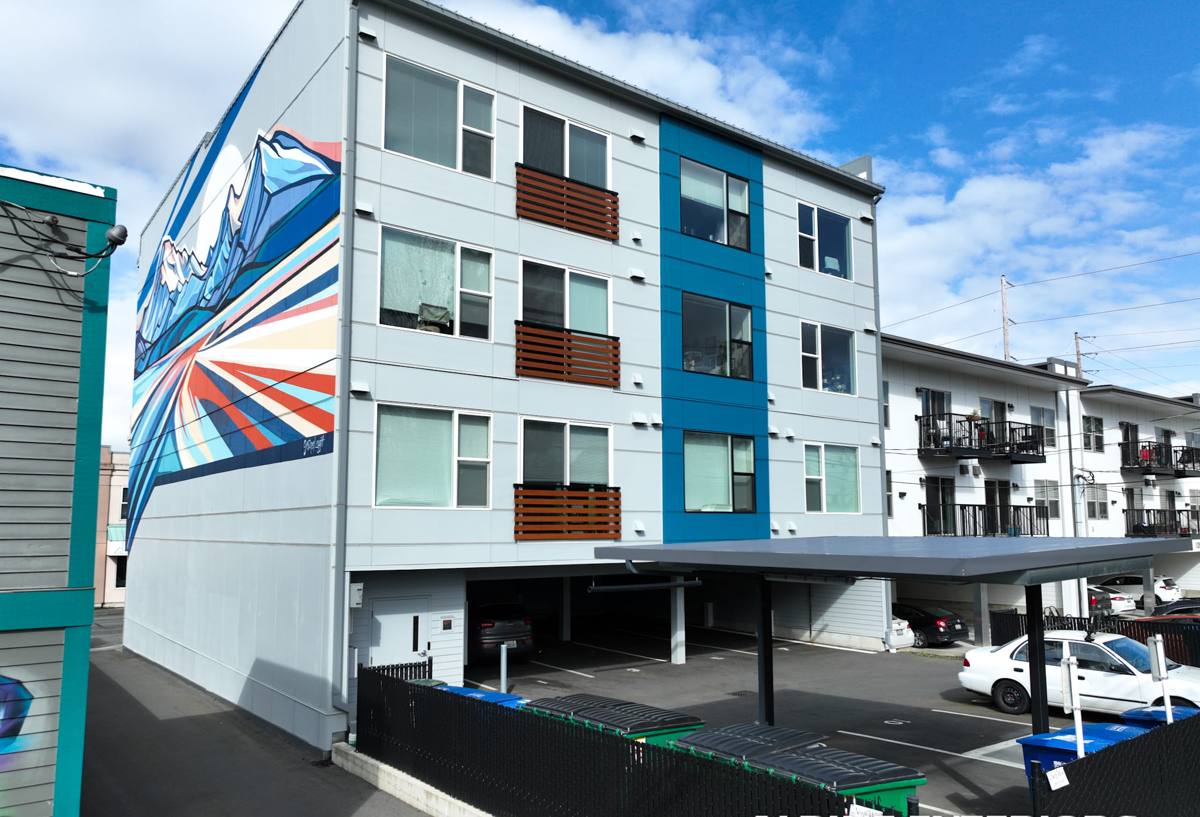
Signs Your Windows Are Losing the Battle
Salt air and constant moisture don't usually take a window out all at once. They wear it down in stages, and most homeowners notice the symptoms long before they connect them to the window itself. Common signs we see on Point Roberts service calls include:
- Condensation or fogging trapped between the panes of a double-pane unit — a sign the seal has failed and the insulating gas is gone
- Soft or discolored wood at the sill or bottom corners, often from years of standing moisture that couldn't drain properly
- Hardware (locks, cranks, hinges) that's pitted, stiff, or corroded from salt exposure
- Visible moss or algae staining on the sill, casing, or the siding just below the window
- Drafts or a noticeable temperature drop near the window, especially during wind-driven storms off the water
- Difficulty opening or closing sashes, which usually points to a frame that's swelled, warped, or shifted
Any one of these is worth a look. Several together usually mean the window has moved from "needs maintenance" to "needs replacement," because at that point the frame and flashing are often compromised, not just the glass unit.
What a Correct Window Replacement Actually Involves
Swapping in a new window is the easy part. The work that determines whether it lasts is everything around it — the flashing, the sealant, and how the new unit ties into the existing wall assembly. In a climate like this one, cutting corners here is exactly how a "brand new" window ends up with rot behind it in five years.
Removal and Inspection
We pull the old unit and inspect the rough opening before anything goes back in. This is the point where hidden water damage, soft framing, or failed old flashing gets found — and it has to be addressed before a new window goes in, not covered over.
Flashing and Water Management
Proper flashing — sill pan, side flashing, and head flashing integrated with the house wrap or building paper — is what actually keeps wind-driven rain out of the wall. This step matters more here than almost anywhere else in the county, given how directly Point Roberts homes face open water and storm-driven wind.
Setting and Sealing the Window
The window gets shimmed level and square, fastened per the manufacturer's schedule, and sealed with materials rated for exterior, high-moisture use. Interior air sealing (backer rod and low-expansion foam, not just caulk) also matters for comfort and to cut down on interior condensation.
Exterior Trim and Finish
Trim gets reinstalled or replaced, caulked, and finished to shed water away from the window, not toward it. This is also a natural point to address any moss or algae staining on the surrounding siding and trim before it's sealed back up.
Choosing Materials for a Salt-Air, High-Rain Climate
Every window material has trade-offs, and the right pick depends on exposure, budget, and how much upkeep a homeowner wants to take on. Here's how the common options actually perform in Point Roberts conditions:
| Material | How It Handles Salt Air & Moisture | Maintenance | Best Fit |
|---|---|---|---|
| Vinyl | Doesn't corrode or rot; handles salt exposure well | Low — occasional cleaning | Most homes; strong value and durability balance |
| Fiberglass | Very stable in moisture and temperature swings; resists warping | Low | Higher-exposure walls facing open water or prevailing wind |
| Wood (unclad) | Attractive but vulnerable to rot and swelling without diligent upkeep | High — regular painting/sealing required | Homes prioritizing a specific traditional look, with owners committed to upkeep |
| Aluminum-clad wood | Exterior clad resists weather; interior wood keeps traditional look | Moderate | Homes wanting a wood interior without full wood-exterior maintenance |
| Bare aluminum frame | Prone to corrosion pitting in salt air over time; conducts cold, more condensation risk | Moderate to high | Not our first recommendation for direct water-facing exposures |
We don't push one brand or material on every house. We look at which wall the window sits on, how much direct weather it takes, and what the homeowner wants to maintain, then recommend accordingly. On homes with unobstructed exposure to the water, we lean toward vinyl or fiberglass simply because they hold up with the least ongoing attention — not because other materials are inferior, but because low-maintenance performance matters more when a window faces salt wind every day.
Our Process for Point Roberts Projects
Point Roberts has a wrinkle most contractors never have to plan around: it's physically separated from the rest of Whatcom County, reachable by road only through Canada. That means material deliveries, crew scheduling, and any mid-project supply runs all have to be planned in advance — you can't just run back to a local supplier the way you could on a job in Ferndale proper. We build that logistics buffer into scheduling and ordering from day one, so a project doesn't stall waiting on a part that should have been staged before the crew ever arrived.
Beyond logistics, our process on every window replacement job looks the same:
- On-site assessment of existing windows, framing condition, and exposure on each elevation
- A written scope and estimate that spells out materials, flashing details, and any framing repair found
- Pre-ordering and staging all materials before the crew mobilizes, accounting for the border crossing
- Removal, inspection, and repair of any hidden damage before new windows go in
- Installation with full flashing integration, correct sealing, and finished trim
- Final walkthrough covering operation, hardware, and basic care for the new windows
What Affects the Cost
Window replacement pricing varies by project, but a few factors consistently drive cost up or down on Point Roberts homes specifically:
| Factor | Why It Matters |
|---|---|
| Hidden framing or sill damage | Rot found once the old window is out has to be repaired before the new one goes in — common on water-facing walls with years of moisture exposure |
| Window material and glazing package | Vinyl, fiberglass, and clad-wood units carry different price points, and higher-performance glass adds cost |
| Number of exposed elevations | Walls facing open water or prevailing wind often warrant more robust flashing and materials than sheltered walls |
| Full-frame vs. insert replacement | Full-frame replacement (removing down to the studs) costs more but is often the right call when flashing or framing has failed |
| Access and logistics | Delivery scheduling and crew travel for an exclave location factor into project timelines and costs |
We give straightforward, written estimates broken down by these factors so homeowners can see exactly what they're paying for and where — not a single lump number with no explanation.
Why Local Experience in This Area Matters
A window installer who's never worked past the border crossing will underestimate two things every time: how much the wind and salt exposure here demand from flashing and materials, and how much planning the location itself takes. We've done work throughout Whatcom County, including on this peninsula, and we plan every Point Roberts job around both realities — the climate the window has to survive, and the logistics of getting the right crew and materials there on schedule. That combination is what keeps a project from turning into delays or a window that fails again in a few years.
Simple Maintenance to Extend Window Life
Even a correctly installed window benefits from a little seasonal attention in this climate. A quick homeowner checklist:
- Rinse salt residue off frames and glass a few times a year, especially after storms
- Clear moss and debris from sills and tracks before it holds moisture against the frame
- Check exterior caulking annually and have any cracked or missing sealant redone promptly
- Operate hardware (locks, cranks) periodically so corrosion doesn't set in unnoticed
- Watch for soft spots or discoloration at sills and act on them early, before rot spreads into the framing
If your windows are showing any of the wear signs above, or you're just planning ahead for a home on this stretch of coastline, we're glad to take a look. We offer free, no-pressure estimates for Point Roberts homeowners — use the form below to get started.