 Ferndale Siding
 Roof Repair Built for Sandy Point's Coastline
Sandy Point sits right on the water along Whatcom County's coastline, and that location shapes everything about how a roof ages there. Homes here take on a combination most inland Ferndale properties don't deal with at the same intensity: salt-laden air blowing off the Strait, driving rain that comes in sideways during winter storms, and a moss season that runs long thanks to the shade and moisture common on tree-lined lots. A roof repair that works fine in a drier, more sheltered part of the county can fall short here if it doesn't account for those conditions.
We've spent enough time working on roofs in this stretch of the coast to know that "roof repair" in Sandy Point isn't a one-size-fits-all job. What a home needs depends on how close it sits to the water, how much tree cover surrounds it, and how the previous roofing job handled ventilation and flashing. This page covers what actually goes into a correct repair here, not a generic rundown that could apply anywhere in Whatcom County.
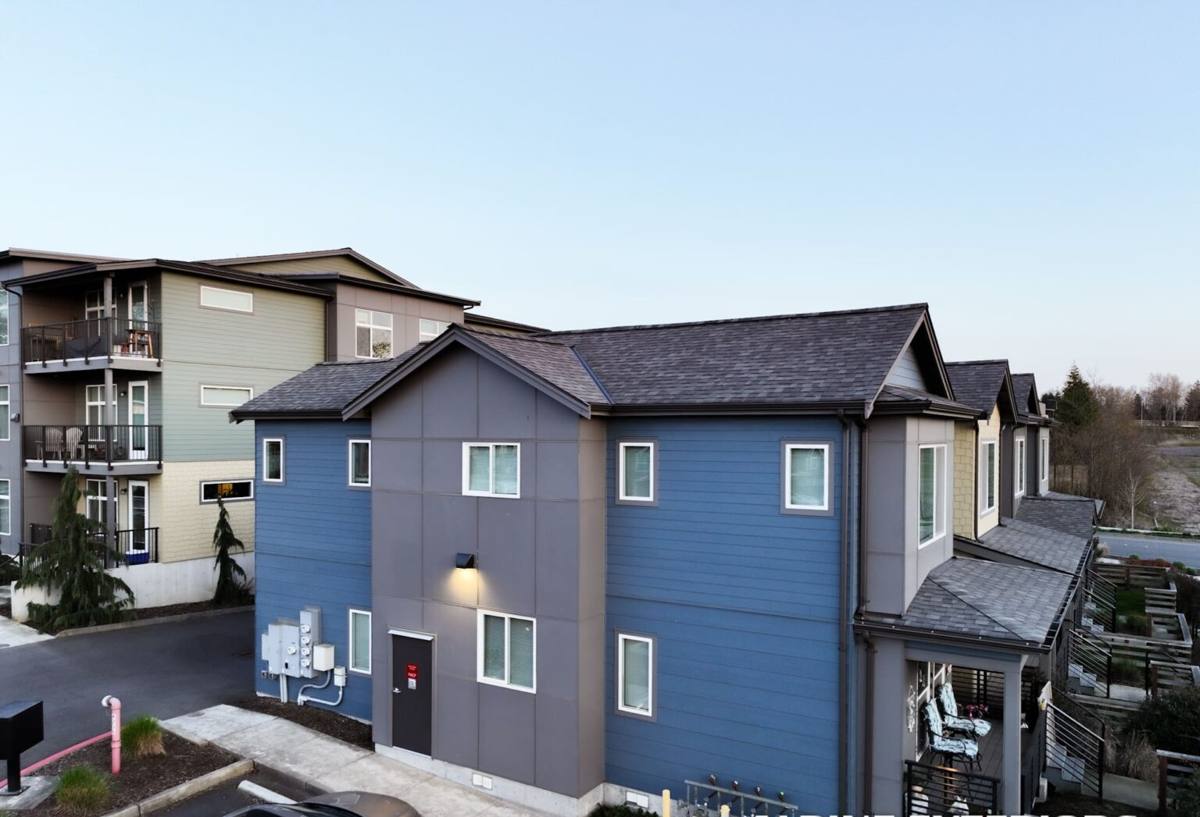
Why Salt Air Changes the Repair Approach
Salt air is corrosive to exposed metal, and a roof has more metal on it than most homeowners realize: flashing around chimneys and skylights, drip edge along the eaves, roof vents, nail heads, and fasteners holding everything down. In a coastal spot like Sandy Point, that metal corrodes faster than it would a few miles inland. Once flashing starts to pit or fasteners start to rust, they stop sealing properly, and that's when water finds its way under the shingles or roofing panels.
When we're repairing a roof out here, we're not just patching the visible damage. We're checking every metal component nearby for early corrosion, because a repair that ignores a failing flashing seam two feet away from the actual leak is a repair that fails again within a season or two. We also pay attention to fastener quality — galvanized fasteners hold up reasonably well, but in a true salt-air environment, stainless steel or other corrosion-resistant hardware is often worth the modest upcharge to avoid repeat callbacks.
Common Salt-Related Wear Points
- Flashing around chimneys, skylights, and roof-to-wall transitions showing rust streaks or pitting
- Exposed fastener heads on metal roofing that have started to corrode and back out
- Gutters and downspouts with premature rust, especially on the ocean-facing side of the home
- Ridge caps and hip caps where sealant has broken down faster than expected
- Vent boots and pipe collars that have hardened and cracked ahead of their normal lifespan
Driving Rain and Where Roofs Actually Leak
Wind-driven rain behaves differently than a straight-down downpour. Instead of just running off the roof surface, it gets pushed up under shingle edges, into vent openings, and behind flashing that would otherwise be adequate in calmer conditions. Sandy Point's exposure to wind off the water means roofs here see more of this sideways-rain pattern than a sheltered lot further into Ferndale would.
This matters for repair work because a leak's entry point is often not where the water shows up inside the house. Water can travel along the underside of the roof deck or down a rafter before it drips onto a ceiling, which means chasing the stain without a proper roof-side inspection often leads to patching the wrong spot. Our process always starts on the roof, tracing the actual path water is taking, rather than guessing from an interior water stain alone.
We also look closely at underlayment condition during a driving-rain repair. If the underlayment beneath the shingles or panels has failed, surface-level patching won't hold — wind-driven rain will keep finding the same weak spot. In some cases, a proper repair means pulling back a section of roofing material to replace compromised underlayment, not just resealing what's on top.
Moss: Whatcom County's Slow, Steady Roof Damage
Moss season runs long around Sandy Point because of the moisture and, on many lots, tree cover that keeps parts of the roof shaded and damp for extended stretches. Moss itself doesn't just sit on the surface — its root structures work into shingle granules and seams, holding moisture against the roofing material far longer than the surface would otherwise stay wet. Over time this accelerates granule loss on asphalt shingles and can lift shingle edges enough to let water underneath.
A repair that just scrapes off visible moss and calls it done misses the underlying damage. We check for granule loss, softened decking underneath heavy moss patches, and whether the moss has already compromised the shingle's ability to shed water. In some spots, moss growth signals a ventilation issue — a roof that isn't drying out properly between rains will hold moss longer than one with good airflow, so we look at attic and roof ventilation as part of any moss-related repair, not just the surface symptom.
Moss Prevention Steps We Recommend After a Repair
- Trim back overhanging branches to reduce shade and let the roof dry faster between rains
- Keep gutters and valleys clear so moss spores don't have standing debris to take hold in
- Consider zinc or copper strips near the ridge on shaded sections, which discourage regrowth over time
- Schedule a light moss removal on a regular cycle rather than waiting until growth is heavy
- Address ventilation gaps if moss keeps returning to the same section year after year
What a Correct Roof Repair Involves
A proper repair isn't just sealing the spot where water is currently getting in. It's a sequence that identifies the real cause, addresses the surrounding material condition, and restores the roof's ability to shed water the way it was designed to. For Sandy Point homes specifically, that sequence usually includes:
- A full roof-surface inspection, not just a spot check at the reported leak location
- Assessment of nearby flashing, fasteners, and vent boots for salt-air corrosion or wear
- Checking underlayment condition where wind-driven rain is a likely factor
- Evaluating moss coverage and any granule loss or decking softness underneath it
- Repairing or replacing the compromised material — shingles, flashing, underlayment, or decking as needed
- Confirming proper sealing and water flow before considering the job finished
Skipping steps in that sequence is how homeowners end up calling a contractor back for the same leak a year later. We'd rather take the time upfront to get it right once.
Repair vs. Replacement: How We Help You Decide
Not every roof problem in Sandy Point calls for a full replacement, and not every repair is a good long-term investment. The right call depends on the roof's age, how widespread the damage is, and whether the underlying structure is still sound. We walk through this honestly with every homeowner rather than defaulting to whichever option costs more.
| Factor | Leans Toward Repair | Leans Toward Replacement |
|---|---|---|
| Roof age | Under 15 years, still within expected lifespan | Approaching or past manufacturer lifespan |
| Damage extent | Isolated to one section or flashing area | Spread across multiple sections or slopes |
| Decking condition | Solid, no soft spots found | Soft, rotted, or repeatedly compromised decking |
| Salt/moss history | First or occasional issue in that spot | Recurring corrosion or moss damage in multiple areas |
| Underlayment | Intact beneath the damaged area | Failed or missing in significant sections |
Cost is naturally part of this conversation too. A straightforward flashing or shingle repair is a modest expense; a repair involving decking replacement or a wider moss-damaged section costs more because of the added material and labor. We give you real numbers based on what we actually find on your roof, not a broad estimate over the phone before anyone has looked at it.
Our Process for Sandy Point Repairs
We keep the process straightforward because homeowners deserve to know what's happening on their own roof:
- Inspection first. We get on the roof and look at the full picture, not just the reported problem area.
- Clear explanation. We show you what we found and explain why it happened, in plain terms — no pressure, no scare tactics.
- Written estimate. You get a clear scope of work and cost before anything is repaired.
- Repair done right. We address the cause, not just the symptom, using materials suited to a coastal environment.
- Final check. We confirm the fix holds and walk you through any maintenance steps that will extend its life.
Why Local Experience in Sandy Point Matters
A contractor who mostly works drier, inland neighborhoods can still do competent general roofing work, but they may not immediately clock the early signs of salt-air corrosion or know which flashing details tend to fail first this close to the water. Working regularly in Sandy Point and along the rest of Ferndale's coastline means we've seen how roofs here actually age — where moss tends to build up first, which flashing styles hold up better against driving rain, and how quickly corrosion can progress on unprotected fasteners.
That local pattern recognition shortens the inspection process and helps us catch problems before they turn into interior water damage. It also means our repair recommendations are grounded in what actually holds up in this specific stretch of Whatcom County, not generic industry advice.
Get a Free Estimate for Your Sandy Point Roof
If you're dealing with a leak, visible moss buildup, or flashing that's showing its age, we're happy to take a look and give you an honest read on what your roof actually needs. There's no pressure and no obligation — just a clear assessment and a straightforward estimate, using the form below.