 Ferndale Siding
 Asphalt Shingle Roofing for Semiahmoo Homes
Semiahmoo sits out on the water, at the far edge of Whatcom County's coastline, and that location puts homes there under a heavier version of the weather the rest of the county deals with. Salt air moves in off the bay more or less constantly. Rain doesn't just fall, it gets pushed sideways and up under roof edges by wind coming straight off open water. And the mix of shade, moisture, and mild temperatures keeps moss and algae active on north-facing slopes for most of the year. Asphalt shingle roofing remains the right choice for most homes out here, but only when the material, underlayment, and installation details are chosen with that exposure in mind rather than treated the same as a roof going on a sheltered inland lot.
We work this stretch of the coast regularly, and this page covers what a Semiahmoo asphalt shingle roof actually needs, what correct installation looks like, and why the details matter more here than they do a few miles inland.
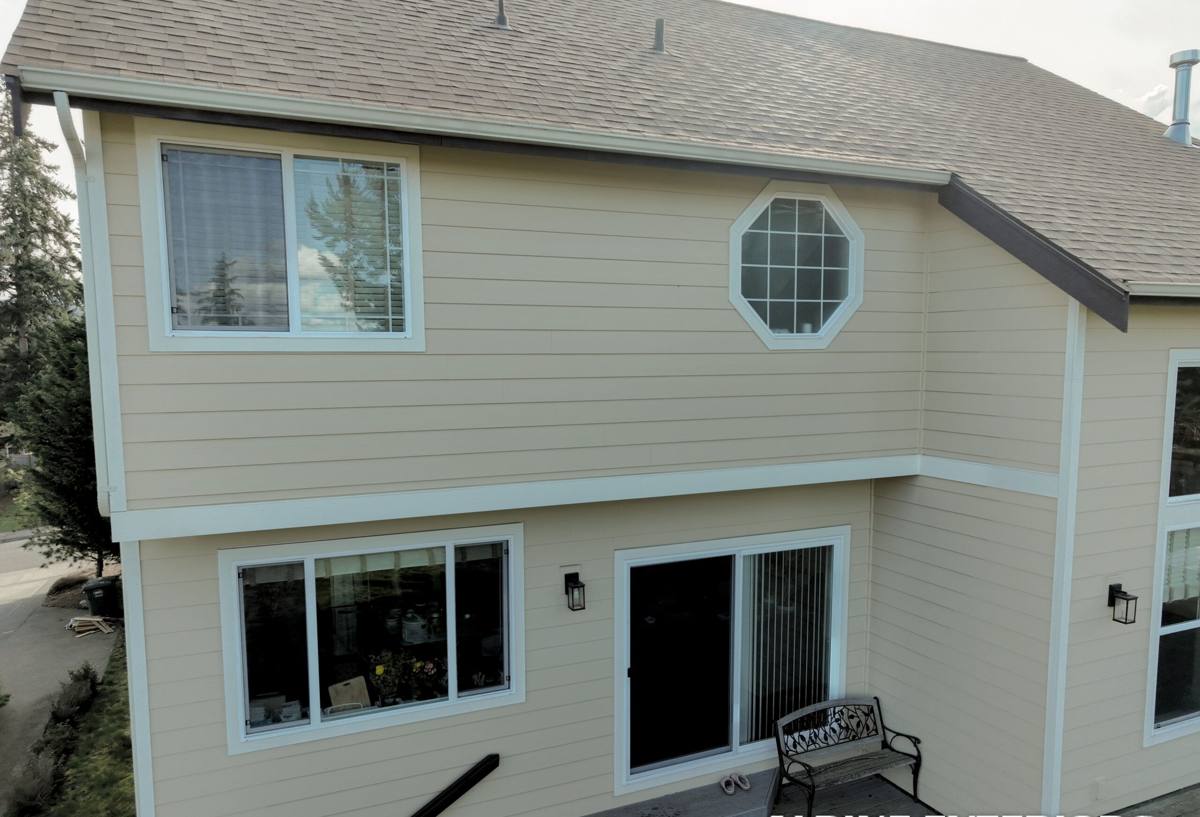
What Semiahmoo's Exposure Does to a Roof
Salt Air, Close to Constant
The closer a home sits to open water, the more salt-laden moisture settles on everything outside, including the roof. Salt air accelerates corrosion in exposed fasteners and flashing metal, and it breaks down lower-grade finishes faster than a drier or more sheltered site would. On a roof, that shows up first as rust streaking below nail heads or flashing edges, and eventually as flashing that's lost its seal years ahead of when it should have.
Wind-Driven Rain Off the Water
Open water means fewer windbreaks, and wind is what turns rain into a sideways and upward problem instead of a straight-down one. On a roof, wind-driven rain gets forced up under shingle tabs, into valleys, and around flashing at chimneys and vents in ways a calm-weather rainfall total never predicts. A shingle system and underlayment that would hold up fine on a sheltered inland roof can still leak here because the water is attacking from an angle it was never tested against.
A Long Moss and Algae Season
Shade, dampness, and mild temperatures add up to a moss and algae season on the Semiahmoo coastline that runs longer than in drier parts of the county. It shows up first on north-facing slopes and any area with tree cover overhead, and it's more than a cosmetic issue — sustained moss growth holds moisture against the shingle surface and works its way under tabs and granules, which shortens the life of the roof from the surface down.
Wind Exposure and Storm Loading
Homes on open water also tend to see stronger, more sustained wind during winter storm systems than homes tucked further inland. That matters for fastening patterns and shingle wind ratings, and it's one of the more common reasons we get called out after a storm — a roof that was marginal to begin with loses shingles or tabs when a gust catches an edge that wasn't nailed to hold under that kind of load.
Why Asphalt Shingles Still Make Sense Here
Asphalt shingles remain the most practical roofing choice for most Semiahmoo homes. They're proven, they're cost-effective relative to metal or tile, and modern architectural shingle products, when specified and installed correctly, handle wind-driven rain and coastal wind loads well. The material itself isn't the weak point on most roof failures we see out here — the installation detail is. A quality shingle over inadequate underlayment, or with flashing that was rushed, will still leak regardless of how good the shingle's own warranty looks on paper.
For Semiahmoo specifically, we lean toward algae-resistant architectural shingles with a higher wind rating than what we'd spec on a calmer, more sheltered inland roof. Algae-resistant granules slow the dark staining and organic growth that standard shingles develop within a few years on shaded coastal slopes, and a higher wind rating gives real margin against the storm loading this location sees more often than most of the county.
What We Look at Before Recommending a Product
- Roof slope and orientation — how much direct sun versus shade each side gets, since that drives moss risk
- Existing deck condition, discovered once tear-off begins
- Wind exposure based on how open the lot is to the water
- Attic ventilation, which affects moisture buildup underneath the shingles as much as weather does from above
- Homeowner's timeline for staying in the house, which affects how much upfront investment in a longer warranty tier makes sense
What Correct Installation Looks Like on a Semiahmoo Roof
Material choice only gets a roof out here halfway to where it needs to be. The rest comes down to installation details that matter more on an exposed coastal lot than they would inland.
- Synthetic or self-adhered underlayment rather than older felt products, since it holds up far better against wind-driven moisture that works its way past the shingle surface
- Ice-and-water shield or self-adhered membrane at eaves, valleys, and around penetrations, the points where wind-driven rain most often finds a way in
- Fastening patterns rated for the higher wind exposure a waterfront lot sees, not a standard inland nailing schedule
- Corrosion-resistant flashing and fasteners at chimneys, skylights, and wall intersections, chosen specifically for sustained salt exposure
- Proper attic ventilation, so moisture isn't building up underneath the shingles from the inside while salt air and rain work on them from the outside
Cutting a corner on any one of these shows up faster on a Semiahmoo roof than it would on a sheltered inland roof — sometimes within a single wet season rather than several years out.
Repair vs. Full Replacement
Not every roof issue out here calls for a full tear-off. Storm-damaged sections, an isolated flashing failure, or a handful of lifted or missing shingles can often be repaired and matched into an existing roof that's otherwise sound. But once water has been tracking under the shingles for a while, or the roof is old enough that granule loss and brittle shingles are showing up across the whole surface, patching it usually just delays a bigger job while hidden deck rot keeps spreading underneath. We'll tell you honestly which situation you're in rather than defaulting to whichever answer is easier for us.
Comparing Shingle and Underlayment Options for This Location
| Option | What It Affects | Why It Matters at Semiahmoo |
|---|---|---|
| Standard 3-tab shingle | Upfront cost, wind rating | Lower wind rating than architectural shingles, generally not our first recommendation on this exposed a lot |
| Architectural (laminated) shingle | Wind rating, appearance, expected lifespan | Higher wind ratings and thicker profile hold up better against sustained coastal wind loads |
| Algae-resistant granules | Resistance to dark staining and organic growth | Directly addresses the long moss and algae season on shaded coastal slopes |
| Felt underlayment | Baseline moisture barrier under shingles | Older technology, less effective against wind-driven rain intrusion than synthetic options |
| Synthetic or self-adhered underlayment | Water resistance under the shingle field | Handles sideways and upward-driven rain far better, worth the upgrade on an exposed lot |
| Ice-and-water shield at eaves and valleys | Protection at the roof's most vulnerable points | Concentrates protection where wind-driven rain and moss moisture cause the most leaks |
Exact costs depend on roof size, pitch, existing deck condition, and how much of this upgraded protection makes sense for the specific property, which is why we walk the roof in person before giving a real number.
Signs a Semiahmoo Roof Needs Attention
- Moss or dark staining that comes back quickly after cleaning, especially on shaded or north-facing slopes
- Granules collecting in gutters or downspouts, a sign shingles are wearing down
- Curling, cracked, or lifted shingle tabs, especially along edges exposed to wind
- Rusting fasteners or corroding flashing around chimneys, vents, or skylights
- Daylight or staining visible in the attic around roof penetrations or valleys
- Missing shingles or visible damage after a windstorm
- Rising energy bills that may point to a roof or attic no longer sealing and ventilating properly
Our Process
- An in-person roof inspection, not a drive-by estimate, looking at the shingle field, flashing, valleys, and attic ventilation together
- An honest assessment of whether the roof needs a repair, a partial section replacement, or a full tear-off
- A written, itemized estimate that spells out tear-off scope, underlayment type, flashing detail, and shingle product, not just a single total price
- A clear explanation of why we're recommending a specific wind rating and underlayment upgrade for this location, if we are
- Work scheduled around weather, since wind and rain off the water can affect timing more here than on a sheltered inland job
- A final walkthrough and cleanup, including a magnetic sweep for stray fasteners, before we consider the job done
Why a Local Crew Matters at Semiahmoo
A crew that works this stretch of coastline regularly understands how salt air, wind-driven rain, and a long moss season behave on real roofs here over a full year, not just how a shingle performs on a manufacturer's spec sheet. That experience shapes practical decisions on install day: which slopes hold moss longest, where extra underlayment protection actually earns its cost, and which fastening details are worth the added time so a homeowner isn't dealing with lifted shingles after the next winter storm off the water. Semiahmoo's exposure means its roofs see a heavier version of the same challenges the rest of the Ferndale area deals with, and a crew with hands-on local experience treats that difference seriously instead of applying a one-size-fits-all approach built for a calmer inland site.
If your Semiahmoo home needs a new asphalt shingle roof, a repair, or just an honest second opinion on what's actually happening up there, we're glad to take a look. Reach out using the form below to schedule a free, no-pressure estimate.