 Ferndale Siding
 Why Sandy Point Homes Wear Out Windows Faster Than Most
Sandy Point sits right on the water, and that location is exactly what makes window selection there different from a typical inland Whatcom County job. The combination of salt-laden air off the Strait of Georgia, wind-driven rain that hits window assemblies at an angle instead of straight down, and a moss season that can stretch for most of the year all work against ordinary windows in ways homeowners further inland rarely have to think about. Salt air accelerates corrosion on hardware, fasteners, and certain metal components. Driving rain finds any weak point in flashing or sealant and pushes water sideways and even slightly upward into gaps that would stay dry in a calmer climate. And the near-constant damp that feeds moss growth on roofs and siding also keeps window sills, tracks, and trim wetter, longer, than they'd be in a drier part of the state.
None of this means Sandy Point homes need exotic products. It means the details — material choice, glazing, and especially installation — have to be handled correctly for the specific exposure of a waterfront property, not just installed to a generic manufacturer spec sheet.
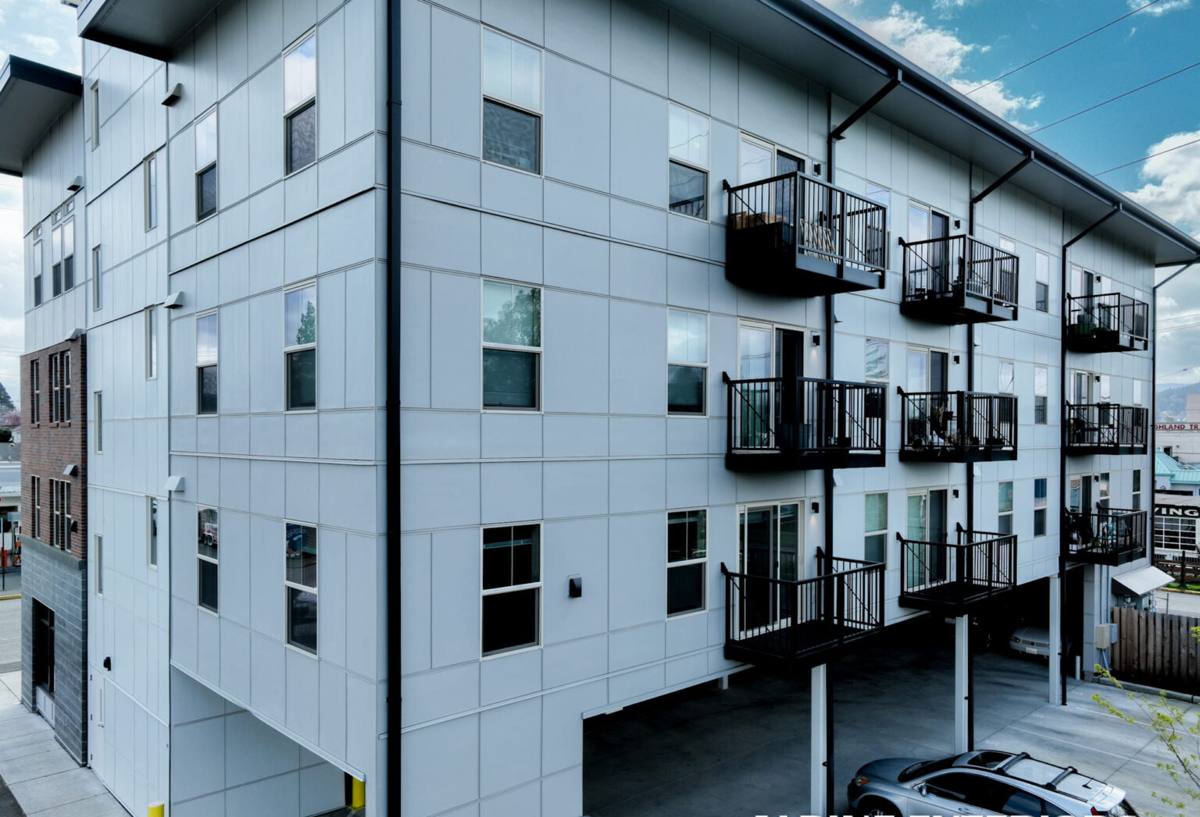
What "Energy-Efficient" Should Mean at This Address
Energy efficiency in a window comes down to how well it stops air movement and controls heat transfer, and both of those depend on the window staying sealed and structurally sound over time — not just on the day it's installed. A window with a great efficiency rating on paper that starts leaking air at the seals after a few seasons of salt exposure and wind-driven rain isn't actually efficient; it's just a well-rated product that failed early. For Sandy Point, we look at efficiency as a package: glazing performance, frame material durability in a marine environment, and weatherstripping and hardware that won't corrode or degrade from salt and constant moisture.
- Low-E glass coatings tuned for the Pacific Northwest's mix of overcast, moderate-temperature days rather than extreme heat or cold
- Double or triple-pane construction with a durable, properly gas-filled sealed unit
- Frame and sash materials that resist corrosion and don't swell, warp, or rot when they stay damp for extended periods
- Hardware (locks, hinges, balances) rated for coastal or marine-adjacent use, not standard interior-grade hardware
- Weatherstripping that keeps its seal under repeated wetting and drying cycles
Frame Materials: What Actually Holds Up Near the Water
This is the single biggest decision in a Sandy Point window project, and it's where we're most direct with homeowners about trade-offs rather than just selling whatever's easiest to install.
Vinyl
Quality vinyl windows are a solid, cost-effective choice for most of Ferndale and Whatcom County, and they can work at Sandy Point too — but not all vinyl is built the same. Lower-grade vinyl can become brittle over time with UV and salt exposure, and welded corners are only as good as the weld. We spec vinyl with reinforced frames and marine-appropriate hardware when it's used this close to the water, and we're upfront if a particular product line isn't a good fit for a fully exposed, water-facing elevation.
Fiberglass
Fiberglass frames tend to handle the expansion and contraction from temperature and moisture swings better than vinyl, and they resist corrosion well, which makes them a strong option for the most exposed sides of a Sandy Point home. The trade-off is upfront cost — fiberglass windows generally cost more than comparable vinyl units.
Wood and Wood-Clad
Wood windows can look great, but bare or under-maintained wood is a poor match for salt air and a long wet season — it's simply a higher maintenance burden than most waterfront homeowners want to take on. Wood-clad windows (wood interior, metal or composite exterior cladding) can be a reasonable middle ground if the cladding and flashing details are done right, but we treat them as a maintenance commitment, not a set-it-and-forget-it choice, and we say so before anyone commits to that option.
Aluminum
Aluminum conducts heat and cold efficiently, which works against the "energy-efficient" goal unless it's a thermally broken product, and standard aluminum hardware can corrode quickly in salt air without marine-grade upgrades. We don't default to aluminum for Sandy Point energy-efficiency projects for these reasons — it's a professional standard on our end, not a knock on the material itself, which has legitimate uses elsewhere.
| Frame Material | Salt Air Resistance | Relative Cost | Maintenance Needs |
|---|---|---|---|
| Vinyl (marine-spec) | Good | Lower | Low |
| Fiberglass | Very Good | Higher | Low |
| Wood / Wood-Clad | Fair, depends on maintenance | Higher | High |
| Aluminum (standard) | Poor without upgrades | Moderate | Moderate to High |
Glazing and Weatherstripping for Driving Rain
Wind-driven rain off the water doesn't just fall on a window, it pushes against it, so the seal quality at the sash and the weatherstripping matters as much as the glass itself. We look for windows with a strong design pressure (DP) rating appropriate for an exposed coastal elevation, and we pay close attention to how the manufacturer engineers water management within the frame — specifically, whether the frame has a real drainage path for any water that does get past the outer seal, rather than relying on a single line of defense. A window that's technically efficient in a lab test but has a weak drainage design will eventually let water sit against the frame, which undermines both the efficiency and the lifespan of the unit.
Installation Details That Matter More Than the Window Itself
We say this to every Sandy Point homeowner because it's true and it's the part that's easy to overlook: the best window on the market, installed with poor flashing or sealant work, will underperform and eventually leak. A correct installation on a waterfront home in Whatcom County involves:
- Removing the old window carefully enough to inspect the rough opening and sill for hidden rot or moisture damage before anything new goes in
- Installing a proper sill pan flashing that directs any water that gets past the window back outside the wall assembly, not into the framing
- Integrating flashing tape and house wrap in the correct shingle-lap order so water is always directed downward and outward
- Using sealants and backer rod rated for exterior, UV, and salt exposure — not general-purpose caulk
- Confirming the window is level, plumb, and square before final fastening, since a slightly racked frame stresses seals and shortens their life
- Checking that weep holes and drainage paths in the frame are clear and functional once the window is set
This is also why we're cautious about "insert" replacements (new window dropped into the old frame) on fully exposed Sandy Point elevations. Inserts can be a reasonable option in sheltered spots, but on a wall that takes direct wind and rain off the water, we generally recommend a full-frame replacement so we can actually get at the flashing and sill.
Our Process for a Sandy Point Window Project
The steps themselves aren't unusual, but at this location we spend more time up front on assessment than we would on a typical inland job.
- On-site evaluation: we look at each elevation separately — the water-facing side of a Sandy Point home almost always needs a different spec than the sheltered side
- Product selection: we recommend frame material, glazing, and hardware based on that elevation's actual exposure, not a one-size answer for the whole house
- Written estimate: clear scope, product specs, and pricing before any work starts
- Removal and inspection: old units come out carefully so we can check the framing and sill condition underneath
- Installation: flashing, sealing, and setting the new window to the standards above
- Final check: operation, seal, and drainage confirmed before we consider the job done
Cost Factors for Sandy Point Window Projects
Every home and opening is different, so we don't quote pricing without seeing the job, but these are the main factors that move the number:
| Factor | Why It Affects Cost |
|---|---|
| Frame material | Fiberglass and marine-grade hardware cost more than standard vinyl |
| Full-frame vs. insert | Full-frame replacement takes more labor but is often the right call on exposed elevations |
| Condition of the rough opening | Hidden rot or moisture damage found during removal adds repair work |
| Window size and count | Larger openings and whole-house projects have different labor and material needs than a single window |
| Elevation and exposure | Direct water-facing walls warrant higher-spec flashing and hardware than sheltered sides |
Maintenance Through a Long Moss Season
Even a correctly installed, well-built window benefits from a little seasonal attention in this climate. Keeping weep holes and drainage tracks clear of debris and moss growth, wiping down sills periodically to prevent standing moisture, and doing a visual check of exterior sealant once a year go a long way. Salt residue can also build up on hardware and glass over time; an occasional rinse with fresh water helps slow corrosion on exposed metal components. None of this is heavy maintenance, but it's more than a homeowner in a drier inland location would typically need to think about.
Why Local Experience at Sandy Point Actually Matters
A window crew that mostly works drier, more sheltered sites can still do competent general carpentry, but they may not default to sill pan flashing, marine-grade hardware, or full-frame replacement on an exposed wall unless they've seen what happens without those details in a place like Sandy Point. We work throughout Ferndale and Whatcom County, and jobs on the water — where salt air, wind-driven rain, and a long damp season all stack up — get treated differently from the start, not patched after something fails. That's less about any single product and more about knowing which details can't be skipped here.
If you're weighing window replacement or repair for a Sandy Point property, we're glad to take a look and walk through what your specific elevations actually need. Use the form below to request a free, no-pressure estimate.