 Ferndale Siding
 Siding Repair Built for a Coastal Whatcom County Climate
Homes in and around Semiahmoo sit close to the water, and that changes what siding repair actually needs to accomplish. This isn't a neighborhood where you patch a problem and forget about it. Salt-laden air, wind-driven rain coming off the water, and a moss season that can stretch for months all work on exterior siding in ways that inland Ferndale homes experience less severely. A repair that doesn't account for that environment tends to fail again within a year or two.
We work throughout the Ferndale area, and coastal properties near Semiahmoo get a different diagnostic eye than a house a few miles inland. The repair itself might look similar from the curb, but the materials, sealants, and detailing decisions behind it need to hold up to conditions that are simply harsher on a home's exterior.
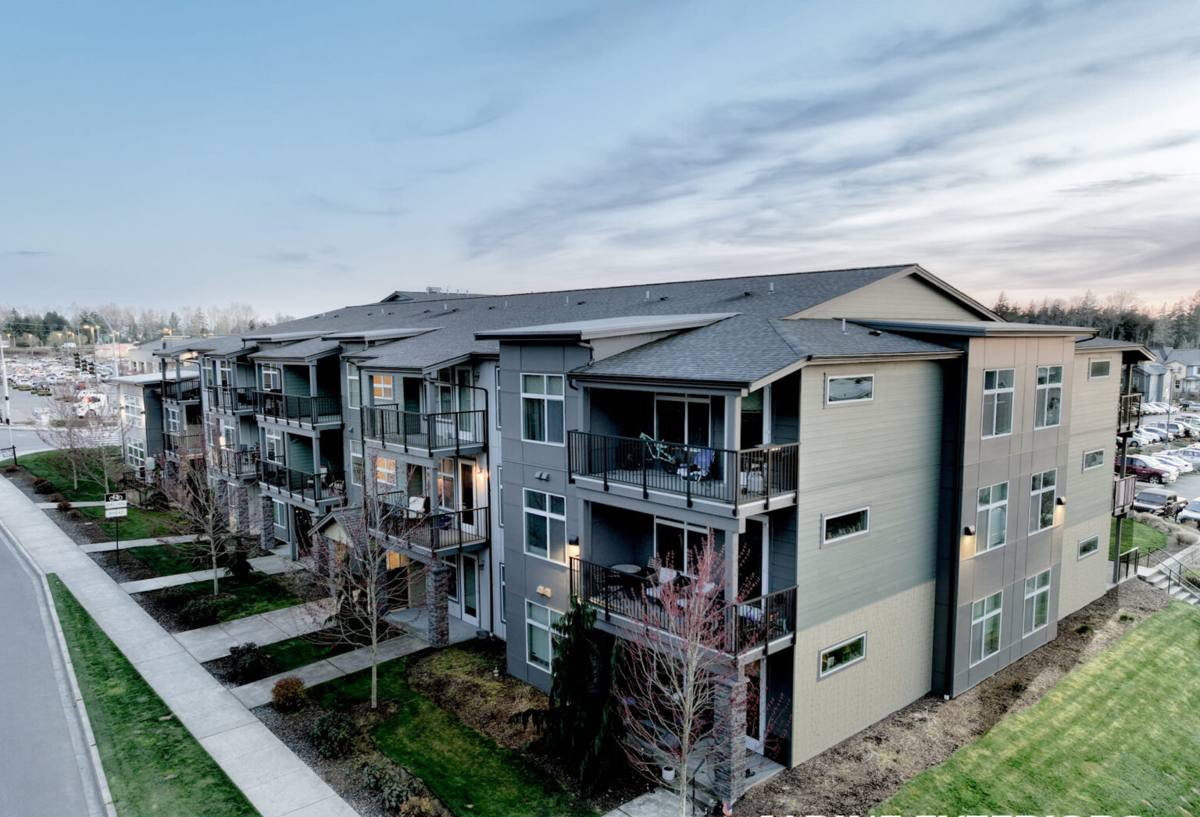
What Salt Air and Coastal Moisture Actually Do to Siding
Three things drive most of the siding damage we find near the water in this part of Whatcom County:
Salt Air
Airborne salt is corrosive to metal fasteners, flashing, and trim hardware. Over years, it accelerates rust at nail heads and fastener points, which weakens the connection between siding and the wall behind it long before the siding material itself shows obvious wear. Salt exposure also degrades some paint and coating systems faster than a standard exterior finish is built to handle.
Driving Rain
Wind off the water doesn't just add moisture — it pushes rain sideways and up under laps, trim, and joints that a calmer inland site would never test. Siding systems that rely on gravity alone to shed water (gaps, loose caulking, poorly lapped seams) get exposed fast in a wind-driven rain event. Water intrusion at these points is usually the real root cause when we're called out for "cracked" or "warped" siding — the visible damage is a symptom of moisture that got in months or years earlier.
Extended Moss and Mildew Season
Shaded, north-facing, or tree-covered walls near the water can stay damp for long stretches of the year. That extended dampness supports moss, algae, and mildew growth directly on siding surfaces and in the seams between boards. Left alone, that organic growth holds moisture against the material and accelerates whatever damage is already underway underneath.
Signs Semiahmoo-Area Homeowners Should Watch For
- Soft or spongy spots when you press on the siding, especially near the bottom courses or around window and door trim
- Visible gaps or separation at seams, corners, or where siding meets trim, flashing, or the foundation
- Rust streaking below fastener heads or trim hardware
- Bubbling, peeling, or chalky paint that reappears in the same spot after repainting
- Persistent moss or dark streaking on north- or shade-facing walls that comes back quickly after cleaning
- Warping, cupping, or visible board movement, particularly on wood-based or engineered wood siding
- Interior signs — musty smell, discoloration on interior walls, or peeling interior paint near an exterior wall — that point to moisture already inside the wall assembly
- Caulking that has cracked, shrunk, or pulled away from joints and trim
Any one of these on its own might be minor. Several showing up together, especially on a wall that faces prevailing weather off the water, usually means moisture has been getting behind the siding for a while.
Common Repair Scenarios We See in This Area
| What We Find | Likely Cause | What the Repair Involves |
|---|---|---|
| Rot or soft board sections at the bottom of walls | Splash-back moisture, poor grading, or failed flashing at the base | Remove and replace damaged sections, correct the underlying drainage or flashing issue, install matching material |
| Rusted fasteners with staining | Salt air corrosion on standard-grade fasteners | Replace with corrosion-resistant fasteners rated for coastal exposure, re-seat or replace affected boards |
| Recurring moss on shaded walls | Extended damp season, limited sun exposure, tree cover | Clean and treat the surface, inspect for underlying moisture damage, address ventilation or trim details that trap moisture |
| Cracked or separated caulking at trim and seams | UV and weather cycling, wind-driven rain forcing water into joints | Remove old sealant, inspect for hidden water damage, reseal with an exterior-grade sealant suited to the joint |
| Warped or delaminating boards | Moisture absorption into a material not engineered for sustained coastal exposure | Section replacement with a moisture-resistant material; broader replacement if the pattern is widespread |
What a Correct Repair Actually Involves
A siding repair that's only cosmetic — patch the visible damage, caulk the gap, repaint — tends to fail again on a coastal property because it never addresses why the damage happened. We approach every repair the same way, regardless of how small it looks from the street:
1. Find the Water, Not Just the Damage
Before any board comes off, we trace where moisture is actually getting in. That might be a failed seam three courses above where the rot shows, a flashing detail at a window head, or a caulking joint that's been open for longer than it looks. Repairing the visible spot without finding the entry point just buys time.
2. Check What's Behind the Siding
Once we open up a damaged section, we look at the sheathing, house wrap, and framing behind it. If moisture has traveled further than the siding itself, that gets addressed before anything new goes back on. Closing up new siding over a wet wall assembly is how small problems become expensive ones.
3. Match Material and Method Correctly
Repairs need to match the existing siding's profile, exposure, and finish closely enough that the patch doesn't stand out or create a new weak point. Where we're replacing sections, we use materials and fastening details rated for the exposure that section actually gets — not a one-size-fits-all approach.
4. Reseal and Detail for Wind-Driven Rain
Coastal-facing walls get extra attention at laps, corners, and trim intersections — the spots where sideways-driven rain finds a way in that gravity-fed water never would. This is the detailing step that gets skipped in a rushed repair and is usually why the same spot fails again.
5. Verify Before We Leave
We walk the repair with the homeowner, explain what we found and what we did about it, and flag anything else worth watching so there are no surprises later.
Repair vs. Replacement: How We Help You Decide
| Factor | Repair Usually Makes Sense | Replacement Should Be Considered |
|---|---|---|
| Extent of damage | Isolated to one or two wall sections | Widespread across multiple walls or the whole exterior |
| Age of existing siding | Siding is well within its expected service life | Siding is nearing or past the end of its expected life |
| Underlying material condition | Sheathing and framing behind the damage are sound | Water intrusion has compromised the wall assembly broadly |
| Recurrence | First time this specific issue has shown up | Same failure keeps returning after prior repairs |
| Material type | Existing material is durable and appropriate for coastal exposure | Existing material struggles in this climate regardless of repair quality |
We'll always tell you honestly which side of that table your home falls on. A lot of coastal-area repairs are legitimately just repairs — there's no reason to push a full replacement when a targeted fix will hold up.
Why We Repair and Install Only James Hardie Fiber Cement
When a repair does call for new material — whether it's a section replacement or the homeowner decides full replacement is the better long-term move — we use James Hardie fiber cement exclusively. We don't install vinyl, LP SmartSide, Cemplank, Allura, primed spruce, or cedar, and in a salt-air, driving-rain environment like this, that decision matters more than it would somewhere drier and calmer.
Fiber cement is non-combustible and dimensionally stable, meaning it doesn't swell, cup, or warp the way wood-based products can when they take on repeated moisture cycles. Hardie's ColorPlus factory finish is baked on and engineered to hold color and resist the kind of UV and salt exposure that fades or chalks a field-applied paint job faster. Hardie also builds climate-specific HZ product lines designed around regional moisture exposure — which is directly relevant to a property exposed to sustained coastal weather. The backing warranty is transferable, which matters if the home changes hands.
None of that makes fiber cement immune to problems if it's installed poorly — bad flashing detail or an unsealed joint will still let water in behind any siding material. But it gives a coastal property a real durability advantage over materials that are more moisture-sensitive by design, which is exactly the trade-off that matters most in a place like Semiahmoo.
Our Process, From First Call to Finished Repair
- Inspection. We look at the visible damage and the surrounding wall, checking for signs the problem extends further than what's obvious from the ground.
- Honest diagnosis. We explain what's actually causing the damage — not just what it looks like — and what repair or replacement options make sense.
- Straightforward estimate. You get a clear scope and price before any work starts, no pressure to upsize the job.
- The repair itself. Matched materials, corrected details, and fasteners rated for the exposure the wall actually sees.
- Walkthrough. We show you what was done and flag anything else worth keeping an eye on.
Why a Crew That Already Works This Area Matters
Siding repair near the water isn't the same trade as siding repair on a sheltered inland lot, even within the same stretch of Whatcom County. A crew that regularly works properties around Ferndale and the surrounding coastal communities has already seen how salt air corrodes standard fasteners, how driving rain finds the weak points in a lap or seam, and how long moss season actually runs on shaded coastal walls. That experience shows up in the small decisions — which fasteners to use, how tight to detail a seam, where to expect hidden damage — that separate a repair that lasts from one that doesn't.
It also means we're not guessing about what your home is up against. We've made these repairs before, on homes facing the same weather yours does, and we know which shortcuts don't hold up out here.
Get a Straightforward Look at Your Siding
If you're seeing soft spots, recurring moss, rust staining, or gaps that keep opening back up, it's worth getting an honest read on what's actually happening before it spreads further. We offer free, no-pressure estimates — use the form below to get a time on the calendar.