 Ferndale Siding
 Window Installation Built for Bellingham's Coastal Climate
Bellingham sits right on the water, and that changes what a window installation needs to survive. Salt-laden air off the bay, long stretches of driving rain, and a moss season that never really ends put more stress on window openings here than in drier inland climates. A window that's installed correctly in Bellingham isn't just about the glass and frame you pick — it's about how that unit is flashed, sealed, and tied into the wall behind it so water has nowhere to go but back outside.
We're based in Ferndale and work Bellingham regularly, so this isn't a one-off job for us. We know how Whatcom County homes are built, what the older housing stock tends to have going on behind the siding, and what actually holds up through a wet Pacific Northwest winter.
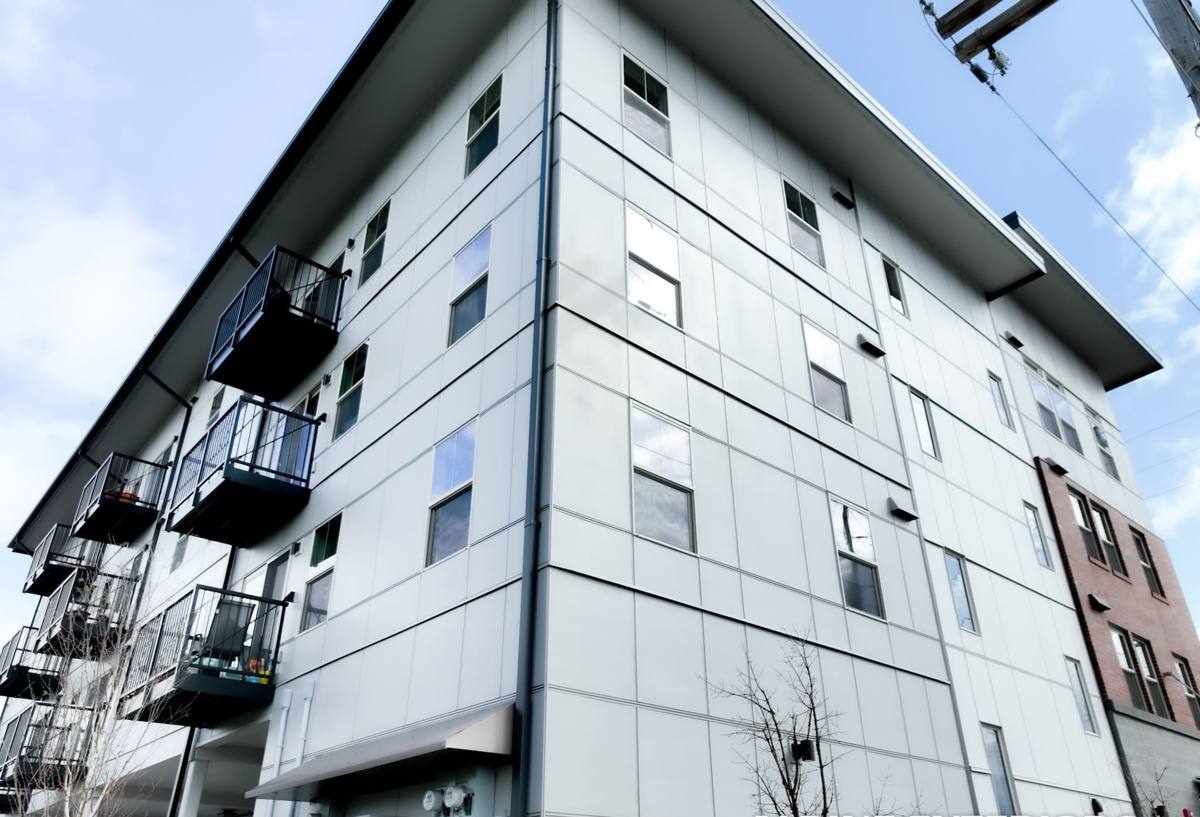
What Puget Sound Weather Does to Windows Over Time
Three things define this climate for window performance: moisture volume, wind-driven rain, and salt exposure.
Wind-Driven Rain
Storms off the Strait of Georgia and Bellingham Bay don't just drop rain straight down — they push it sideways into wall assemblies. A window installed with minimal or improperly lapped flashing can look fine for years and still be letting water track behind the trim, where it soaks sheathing and framing out of sight.
Salt Air
Proximity to the water means airborne salt settles on and around window components. Over years, this accelerates corrosion on hardware, fasteners, and some metal flashing products if they aren't rated for coastal exposure. It's a slow process, which is exactly why it gets overlooked until hardware starts failing or staining shows up.
Moss and Sustained Dampness
Whatcom County's moss season isn't limited to roofs. Moss and algae can take hold on north-facing sills, trim, and anywhere water sits instead of draining. Beyond the cosmetic issue, sustained dampness against wood trim or a poorly sealed sill is what eventually leads to rot.
Signs a Bellingham Home's Windows Need Attention
Most window problems here develop quietly. These are the signs worth acting on before they become a bigger repair:
- Soft or spongy trim or sill wood when pressed
- Visible gaps, cracked caulk, or daylight around the frame
- Persistent condensation between panes (a sign the seal has failed on a dual-pane unit)
- Musty smell or discoloration on interior drywall near a window
- Windows that are difficult to open, close, or lock — often a sign the frame has shifted
- Visible moss, algae, or staining on the sill or exterior casing
- Noticeable draft or a cold wall near the window in winter
Any one of these on its own isn't necessarily an emergency, but a home showing several of them usually has a window and flashing situation that's overdue for a real look, not just a caulk touch-up.
What a Correct Window Installation Actually Involves
Swapping the window unit itself is the easy part. The work that determines whether the installation lasts is everything around it.
The Opening Comes First
Before a new window goes in, we check the rough opening for rot, soft framing, or existing water damage. Installing a new window into a compromised opening just hides the problem — it doesn't fix it. If we find deterioration, we address it before the window goes in, not after.
Sill Pan and Drainage Plane
A sloped sill pan gives any water that gets past the window somewhere to go — out, not into the wall cavity. This is one of the most commonly skipped steps in budget installations, and it's one of the most important in a climate like this one.
Flashing Integration
Flashing tape and building paper (or house wrap) need to be layered correctly — shingle-style, top piece over the one below — so water sheds down and out at every layer, matching how the rest of the wall assembly is supposed to drain. Flashing that's taped in the wrong order can actually funnel water into the wall instead of away from it.
Sealing and Insulation
The gap between the window frame and the rough opening gets sealed and insulated properly — not overfilled with expanding foam, which can bow the frame, and not left with big voids that create drafts and cold spots.
Interior and Exterior Trim
Trim gets reinstalled or replaced with attention to caulking and paint-grade sealing on the exterior, since that's the first line of defense against wind-driven rain.
Choosing the Right Window Material for a Bellingham Home
There's no single "best" window material for every home — it depends on your budget, your home's exposure, and how much upkeep you want to take on. Here's how the common options compare for a coastal Whatcom County property:
| Material | Moisture & Salt Resistance | Maintenance | Typical Lifespan |
|---|---|---|---|
| Vinyl | Good — won't corrode or rot | Low; occasional cleaning | 20-30 years |
| Fiberglass | Very good; dimensionally stable in temperature swings | Low | 30-40+ years |
| Wood | Requires protection; vulnerable to sustained dampness | High — regular painting/sealing | Varies widely with upkeep |
| Wood-clad (wood interior, metal/vinyl exterior) | Good on the exposed side; interior still needs normal care | Moderate | 25-35 years |
| Aluminum | Prone to corrosion near salt air unless marine-rated | Moderate | Varies; less common here for that reason |
For most Bellingham homes exposed to bay air, we steer customers toward vinyl or fiberglass for the exterior-facing performance, especially on walls that take direct wind and rain. Wood and wood-clad units can still be the right call for a specific look or a historic home, but we'll be upfront that they come with a real maintenance commitment in this climate — that's a trade-off decision for you to make with full information, not something we gloss over.
Our Installation Process
- On-site assessment — we look at your current windows, the surrounding siding and trim, and check for any existing moisture or rot issues before quoting anything.
- Product selection — we walk through material, glazing, and style options based on your home's exposure and your budget, without pushing a single "house brand" that may not fit your situation.
- Opening prep — removal of the old unit, inspection and repair of the rough opening as needed.
- Flashing and sill pan installation — done to shed water outward at every layer.
- Window set and shim — leveled, squared, and secured per manufacturer specs so the unit operates correctly for years, not just on day one.
- Sealing, insulation, and trim — interior and exterior finish work completed with attention to the details that actually keep water out.
- Final walkthrough — we check operation, sealing, and cleanup with you before calling the job done.
Why a Local Ferndale Crew Matters for a Bellingham Job
We're not driving in from out of the area to do this work. Working Whatcom County regularly means we've seen how homes built in different decades around Bellingham handle moisture, what older flashing and siding details tend to look like once you open a wall up, and what actually needs to change versus what's fine as-is. That local familiarity also means we're reachable if a question comes up after the job — we're not a crew that finishes and disappears out of the area.
Being local also shapes how we schedule around here — we're realistic about weather windows during the wetter months and won't rush exterior work during conditions that compromise a proper seal.
What Affects the Cost of Window Installation
Every home is different, but these are the main factors that move the price on a window installation job:
| Factor | Why It Matters |
|---|---|
| Number of windows | Per-unit cost typically drops somewhat with larger jobs due to shared setup and labor |
| Window material and glazing | Vinyl is generally the most budget-friendly; fiberglass and wood-clad cost more upfront |
| Condition of the existing opening | Rot or water damage found during removal adds repair time before the new window can go in |
| Window size and type | Large picture windows, bays, or custom shapes take more time and specialized handling than standard sliders or double-hungs |
| Trim and siding work | Replacing damaged exterior trim or integrating with existing siding adds scope beyond the window itself |
| Access and home height | Second-story or hard-to-access windows require more labor and equipment |
We give a firm, itemized quote after we've actually looked at your windows and openings — not a ballpark over the phone, since the condition behind your existing trim is a real variable we won't know until we see it.
Maintaining Your Windows in a Marine Climate
Once new windows are in, a little seasonal attention keeps them performing for the long run:
- Rinse salt residue off exterior frames periodically, especially after storms
- Check and refresh exterior caulking every couple of years, sooner if you notice cracking
- Keep gutters and nearby drainage clear so water isn't sheeting down across window openings
- Clear moss or algae from sills and trim before it holds moisture against the surface
- Operate each window a few times through the year so seals and hardware don't seize up
If you'd like an honest look at your current windows and a straightforward, no-pressure estimate for replacement or new installation, we're glad to come take a look. Use the form below to get in touch.