 Ferndale Siding
 Windows Take a Different Kind of Beating in Bellingham
Bellingham sits close enough to the water that salt-laden air is a daily fact of life, not an occasional nuisance. Add Whatcom County's driving rain off the Strait and a moss season that can run most of the year in shaded yards, and you have a climate that is genuinely hard on window frames, seals, and finishes. Windows here don't fail because homeowners neglect them — they fail because the materials and installation weren't matched to what this stretch of Washington actually throws at a house.
A window replacement in Bellingham has to account for all three of those pressures at once: corrosion resistance for the salt air, weather sealing that can handle sideways rain, and frame and sill details that won't trap moisture long enough for moss, mold, or rot to get a foothold. That's a different design conversation than a window job in a drier inland climate, and it's why a generic install can leave a homeowner with problems inside of a few winters.
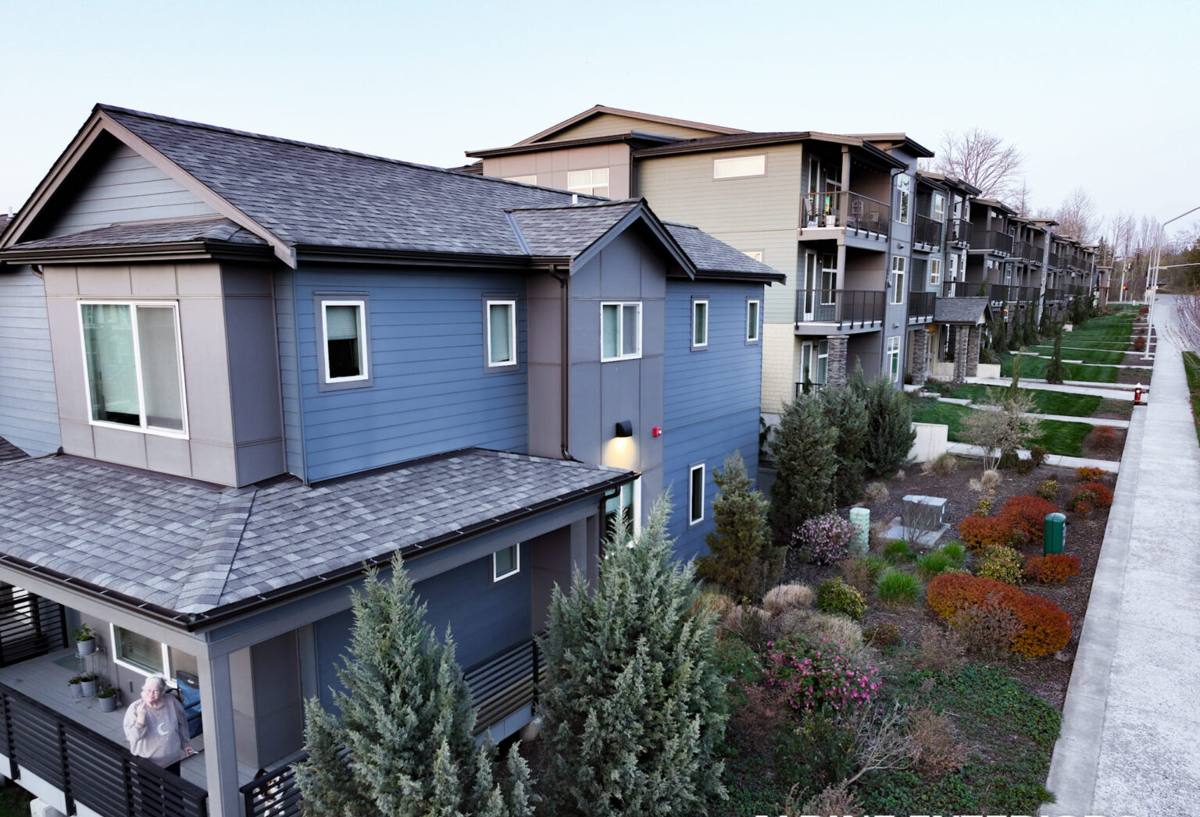
Signs a Bellingham Home Needs Window Replacement
Some of these show up gradually, which is exactly why they get missed until a window is failing outright. Worth checking for before you're dealing with an emergency:
- Fogging or a permanent haze between the panes — the sign of a failed seal on double-pane glass
- Soft or discolored wood at the sill or lower corners of the frame
- Visible pitting, chalking, or corrosion on aluminum or metal hardware
- Green or black growth building up on the frame or sill even after cleaning
- Drafts you can feel by hand along the frame edge, especially during wind-driven rain
- Windows that are noticeably harder to open, close, or lock than they used to be
- Condensation collecting on the interior frame, not just the glass, during colder months
Any one of these can be a minor fix. Several together, especially on a home more than 15–20 years old, usually means the window system itself — frame, seals, and flashing — has reached the end of its useful life for this climate.
What a Correct Job Actually Involves
Window replacement gets treated as a simple swap — old unit out, new unit in — but the parts that determine whether the job holds up in Bellingham weather happen around the window, not just at the window itself.
Full-Frame vs. Insert Replacement
An insert (or "pocket") replacement keeps the existing frame and drops a new window into it. It's faster and less invasive, and it's a reasonable option when the existing frame is still solid, square, and dry. Full-frame replacement removes the old unit down to the rough opening, which is the right call whenever there's any sign of water intrusion, rot, or a frame that's out of square. In a wet, salt-exposed climate, we'd rather catch a compromised frame during the tear-out than seal a new window over a problem that's already started.
Flashing and Moisture Management
This is the part of the job that doesn't show once the window is in, and it's the part that matters most here. Proper flashing directs any water that gets past the exterior cladding down and out, away from the sheathing and framing, instead of letting it pool at the sill. That means correctly lapped house wrap, sill pan flashing under the window, and head flashing above it — done in the right order, not just caulked over. With Whatcom County's rain coming in sideways as often as straight down, a window that's caulked in place without proper flashing will eventually leak, even if it looks fine from the outside for a year or two.
Sealing and Insulation
The gap between the window frame and the rough opening needs to be sealed and insulated correctly — not overfilled with expanding foam that can bow the frame, and not left with gaps that turn into drafts and condensation points. Interior and exterior sealant beads both matter, and both need to be the right product for the substrate, not just whatever's on the truck.
Choosing Frame Materials for This Climate
There's no single "best" window material for every home, but some perform more predictably than others in salt air and near-constant moisture exposure. We walk through the trade-offs honestly rather than pushing one product line.
| Material | Salt Air / Moisture Behavior | Maintenance | Typical Fit |
|---|---|---|---|
| Vinyl | Won't corrode or rot; performs well long-term with no coating to fail | Low — occasional cleaning | Most Bellingham homes; best value for climate durability |
| Fiberglass | Very stable, resists moisture and temperature swings well | Low | Homes wanting a stronger frame or larger window sizes |
| Wood / Wood-Clad | Handsome, but the clad exterior and any exposed wood need real upkeep in coastal moisture | Higher — finish and joints need regular inspection | Historic or architecturally specific homes where appearance drives the decision |
| Aluminum | Prone to pitting and corrosion in salt air over time; conducts cold, which invites condensation | Moderate to high | Rarely our first recommendation this close to the water |
For most Bellingham homes, we lean toward vinyl or fiberglass specifically because they don't depend on a coating or finish to resist moisture and salt exposure — there's nothing to fail. That's not a knock on wood or aluminum windows as products; it's a maintenance and moisture-behavior trade-off we'd rather be upfront about than have a homeowner discover the hard way.
Glass and Energy Performance in a Marine Climate
Whatcom County's climate is mild in temperature swing compared to inland Washington, but it's damp and often overcast, which changes what "performance glass" should mean here. Low-E coatings help manage heat loss through the glass and reduce interior condensation risk, which matters more in a humid marine climate than raw R-value numbers alone. Double-pane glass with a quality Low-E coating and a durable spacer is the standard for most homes in this area; triple-pane can make sense for north-facing rooms, homes near busier roads, or owners prioritizing sound reduction, but it's not a requirement for every window on every home. We size the glass package to the specific wall orientation and the homeowner's actual priorities rather than defaulting to the most expensive option.
Our Process
Every Bellingham window job follows the same sequence, whether it's one window or a whole-house replacement:
- On-site assessment — we check existing frames, sills, and flashing for hidden moisture or rot before quoting anything
- Honest scope and estimate — insert versus full-frame, material options, and glass package, explained in plain terms
- Careful removal — old units and any compromised framing or sheathing come out cleanly, with the opening inspected before anything new goes in
- Correct flashing and sealing — sill pan, house wrap laps, and head flashing installed in the right order, not shortcut
- Installation and adjustment — windows set, shimmed, and fastened to operate correctly, not just look straight
- Interior and exterior finish work — trim, caulking, and cleanup so the job is done, not just installed
We don't move to the next step until the one before it is right, and we don't cover flashing or framing work before it's been checked.
Why a Bellingham-Experienced Crew Matters
Window replacement isn't identical everywhere in Washington. A crew that mostly works drier inland climates can install a technically correct window and still get the flashing detail wrong for wind-driven coastal rain, or spec a frame material that looks fine for a season and then starts pitting from salt exposure. Working Bellingham and the surrounding Whatcom County area regularly means we've seen how these houses actually age — where moss builds up on sills, where driving rain finds gaps, and which frame materials hold up once the salt air has a few years to work on them. That local pattern recognition is what keeps a window install from becoming a callback.
Keeping New Windows Performing in This Climate
A correctly installed window in a quality frame material should need very little from a homeowner, but a short seasonal routine goes a long way in this environment:
- Rinse frames and sills periodically to clear salt residue and organic buildup before moss or algae take hold
- Keep weep holes at the base of the frame clear so water can drain instead of pooling
- Check exterior caulking lines once a year, particularly after a hard winter, and have any cracked sections resealed promptly
- Trim back vegetation and clear gutters near windows to reduce standing moisture and shade that encourages moss
- Operate hardware (locks, cranks, latches) a few times through the off-season so mechanisms don't seize
None of this is heavy maintenance — it's the kind of upkeep that takes an hour a couple times a year and meaningfully extends the life of the installation.
Get a Straight Answer on Your Windows
If you're dealing with drafts, fogged glass, soft sills, or windows that just don't seal the way they used to, it's worth having someone look at the whole picture — frame, flashing, and glass — rather than just the symptom. We'll walk your home, tell you honestly what needs replacing and what doesn't, and put together a free, no-pressure estimate using the form below.