 Ferndale Siding
 Board & Batten Siding Built for Lummi Nation's Coastal Exposure
Homes in and around Lummi Nation sit closer to the water than almost anywhere else we work in Whatcom County. That proximity is part of what makes the area beautiful, and it's also what makes siding decisions here different from a job five miles inland in Ferndale proper. Salt-laden air, near-constant winter moisture, and a moss season that can stretch from October through May all put steady pressure on the exterior of a house. Board and batten siding, when it's detailed and installed correctly, holds up well to that pressure and gives these homes a clean, vertical-line look that suits both older farmhouses and newer builds in the area.
This page is specifically about board and batten siding for homes in the Lummi Nation area — not a general overview of the style. We'll cover what the local climate actually does to siding, what a correct board and batten installation involves, and why the crew you hire matters as much as the material.
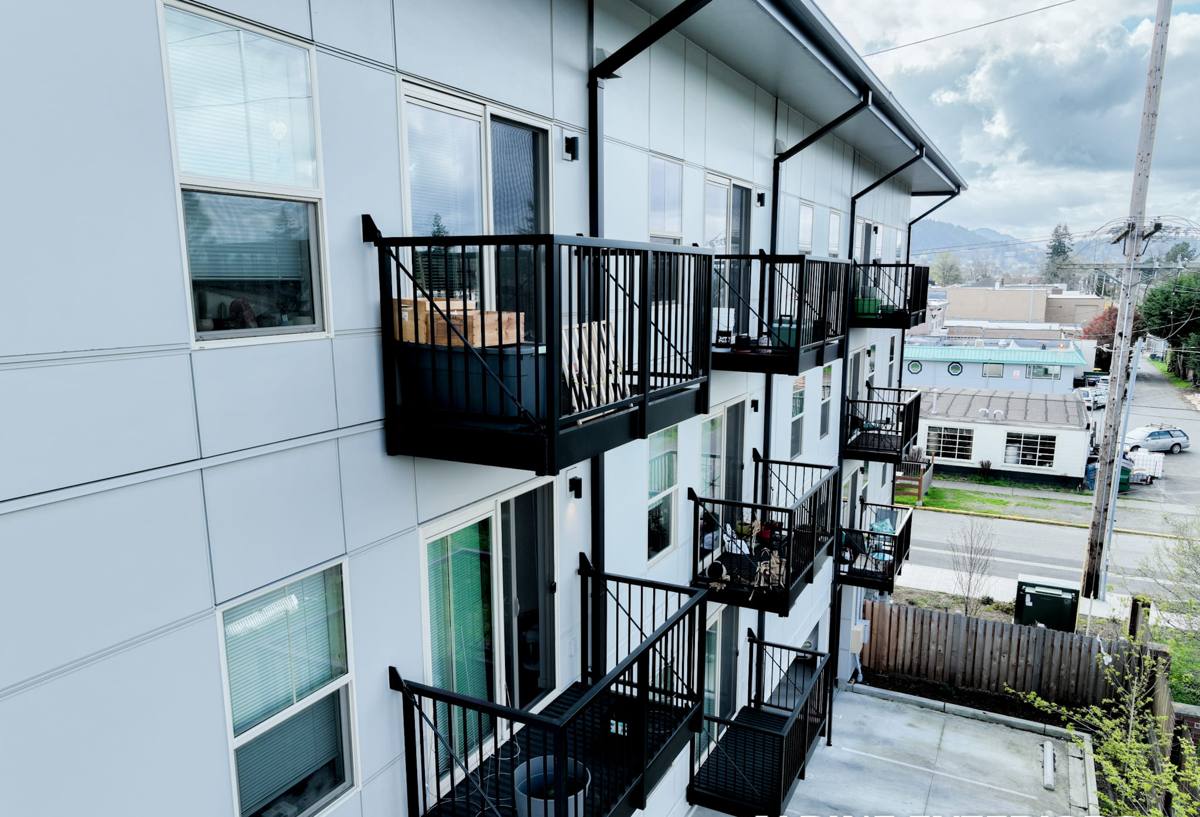
What Salt Air, Driving Rain, and Moss Actually Do to Siding
It's worth being specific about the three stressors that define this area, because each one attacks siding differently.
Salt Air
Airborne salt from Bellingham Bay and the surrounding waterways settles on exterior surfaces and accelerates corrosion of fasteners and metal trim. Over years, that corrosion can telegraph through paint as rust streaking, and in cheaper cladding systems it can weaken the fastening points that hold panels to the wall. It doesn't damage fiber cement itself, but it absolutely matters for the fasteners, flashing, and trim details used around it.
Driving Rain
Wind off the water pushes rain sideways, not just down. That means water gets forced up under laps and into gaps that would stay dry in a calmer inland setting. Board and batten siding relies on battens correctly overlapping the seams between boards — if that overlap, the fastening pattern, or the water-resistive barrier behind it is wrong, driving rain will find the weak point eventually.
Moss and Sustained Moisture
Whatcom County's moss season is long, and north-facing or shaded walls near tree cover stay damp for extended stretches. Moisture that lingers against a wall assembly for months at a time is far more punishing than a hard rain that clears in an afternoon. Siding material that absorbs and holds that moisture — rather than shedding it or tolerating it — is the material that fails first in this specific environment.
Why Board and Batten Specifically Suits This Area
Board and batten's vertical lines were originally a practical response to exactly this kind of climate — the batten strips cover the seams between boards, giving water fewer horizontal ledges to sit on compared to some lap profiles. Done right, it's a good match for a wet coastal climate. Done wrong — undersized battens, inconsistent fastening, gaps left uncaulked at the wrong points — it can actually trap moisture behind the battens instead of shedding it, which is worse than a standard lap profile installed correctly. The style is only as good as the installation behind it.
Why We Install Only James Hardie Fiber Cement for This Application
We don't install vinyl, LP SmartSide, cedar, primed spruce, Cemplank, or Allura on any home we work on, including here. For board and batten specifically, in a climate like this one, the reasons are concrete:
- Cedar and primed spruce are wood. Wood board and batten in a long moss season needs recoating and moisture management on a schedule most homeowners don't want to keep up with, and any lapse in that maintenance shows up fast as cupping, rot at board ends, or paint failure.
- Vinyl board and batten is lightweight and can rattle or bow with the wind loads that come off open water, and its seams and battens are typically snapped or nailed in ways that give driving rain more opportunities to work behind the panel over time.
- LP SmartSide is an engineered wood product — better than raw wood in some respects, but still wood-based, meaning it still depends on intact factory coating and correctly sealed cut edges to resist moisture. In a marine environment, that's a maintenance bet we're not willing to make on a customer's behalf.
- Cemplank and Allura are also fiber cement, and the material chemistry is similar to Hardie's. Our reason for standardizing on Hardie over these isn't the raw material — it's the factory finish system, the climate-specific product engineering (HZ10 for our wet Pacific Northwest zone), and the strength of the transferable warranty backing it, all of which we can vouch for because we install it exclusively and know it inside and out.
James Hardie fiber cement board and batten is non-combustible, doesn't swell or rot from moisture the way wood-based products can, and comes with a factory-applied ColorPlus finish engineered to resist fading and hold up to UV and moisture cycling — which matters on a coastline where the sun off the water is intense even on cool days.
What a Correct Board and Batten Installation Involves Here
The details that matter most in this specific area:
Water-Resistive Barrier and Flashing First
Before a single board goes up, the wall needs a correctly lapped weather-resistive barrier and properly integrated flashing at every window, door, and penetration. In a driving-rain environment, this layer is doing more work than the siding itself — the siding sheds most of the water, but the barrier behind it handles what gets through.
Fastener Selection and Placement
Given salt air's effect on metal, fastener material and coating matter more here than in a drier inland install. Fasteners need to be corrosion-resistant and placed according to Hardie's fastening specifications — not just "close enough" — because under-fastened board and batten is one of the more common causes of early failure we see on homes that had it installed by crews unfamiliar with the product.
Batten Spacing and Overlap
The battens need consistent, correct overlap over the board seams, with attention to expansion gaps so the assembly can move seasonally without cracking caulk joints or pulling fasteners.
Caulking and Sealant Details
Every joint that needs to be sealed should be sealed with a quality sealant rated for the exposure, and every joint that should be left to drain should be left open. Sealing the wrong joint is a common mistake that traps water instead of releasing it.
Starter Strips, Trim, and Rain Screen Gap
A rain screen gap behind the siding lets any moisture that does get past the cladding drain and dry out instead of sitting against the sheathing — this is especially valuable on shaded, moss-prone walls that stay damp longer.
Our Process for a Lummi Nation Board and Batten Project
- On-site walkthrough and assessment of current siding, existing moisture damage, and wall orientation relative to prevailing wind and rain direction.
- Written estimate covering material, labor, trim, flashing details, and a realistic timeline.
- Removal of old siding and inspection of sheathing for hidden rot or moisture damage before anything new goes up.
- Installation of water-resistive barrier, flashing, and rain screen furring where called for.
- Board and batten installation to Hardie's fastening and clearance specifications.
- Final trim, caulking, and a walkthrough with the homeowner before we consider the job done.
Cost Factors for This Type of Project
Every home is different, but these are the variables that most affect the price of a board and batten job in this area:
| Factor | Why It Matters Here |
|---|---|
| Extent of tear-off vs. new build | Removing old siding on a home with hidden moisture damage takes longer and may require sheathing repair before install can start. |
| Wall exposure to wind and rain | Water-side walls facing prevailing weather often need extra flashing and sealant attention, adding labor. |
| Home height and access | Multi-story sections near the water may need additional scaffolding or safety setup. |
| Trim and corner detail complexity | Board and batten with custom corner or window trim takes more precision time than a simple flat wall run. |
| Existing rot or sheathing damage | Salt air and long moisture exposure sometimes hide damage behind old siding that isn't visible until removal. |
What to Check Before You Hire a Board and Batten Crew Here
- Do they have documented experience with fiber cement fastening specs, or are they used to wood or vinyl installs and treating Hardie the same way?
- Will they tell you, honestly, whether your home's exposure needs extra flashing or sealant attention — or do they quote a flat, one-size price without a site walkthrough?
- Do they inspect and address sheathing condition before installing new siding over it?
- Can they explain why they chose the products they install, not just recite a sales pitch?
- Are they familiar with this specific stretch of coastline and its wind and rain patterns, not just Whatcom County in general?
Why Local, Ongoing Experience in This Area Matters
A crew that has installed siding across Ferndale and the surrounding Lummi Nation area repeatedly learns which walls take the worst weather, which details fail first when they're rushed, and which fastening and sealing choices actually hold up after a few winters of driving rain and moss growth. That's not something a crew based elsewhere, unfamiliar with this specific coastal exposure, picks up on the first job. It shows up in the small decisions — where to add extra flashing, which joints to leave open, how tight the batten spacing needs to be — that a spec sheet alone doesn't cover.
Get a Straight Answer for Your Home
If you're considering board and batten siding for a home in the Lummi Nation area, we're glad to come take a look, walk the exterior with you, and give you a straightforward, no-pressure estimate — including an honest read on what your specific exposure to wind, rain, and moisture will require. Fill out the form below to get started.