 Ferndale Siding
 Decks in Fairhaven Take a Different Kind of Beating
If you own a deck in the Fairhaven area, you already know it doesn't age the same way a deck does further inland. Sitting close to Bellingham Bay means more salt-laden air moving through the wood grain, more wind-driven rain finding its way under boards and around fasteners, and a moss season that can stretch from October clear through April in a wet year. Add in the general Whatcom County pattern of mild, damp winters and you get decks that look fine from the porch door but are quietly losing ground underneath.
None of that means your deck is doomed. Most of what we see out here is repairable — the wood itself is often still sound, and the problem is isolated to a handful of boards, connections, or flashing details that took the brunt of the weather. The trick is knowing which parts are actually failing versus which parts just look weathered, and fixing the right things instead of tearing into a deck that didn't need it.
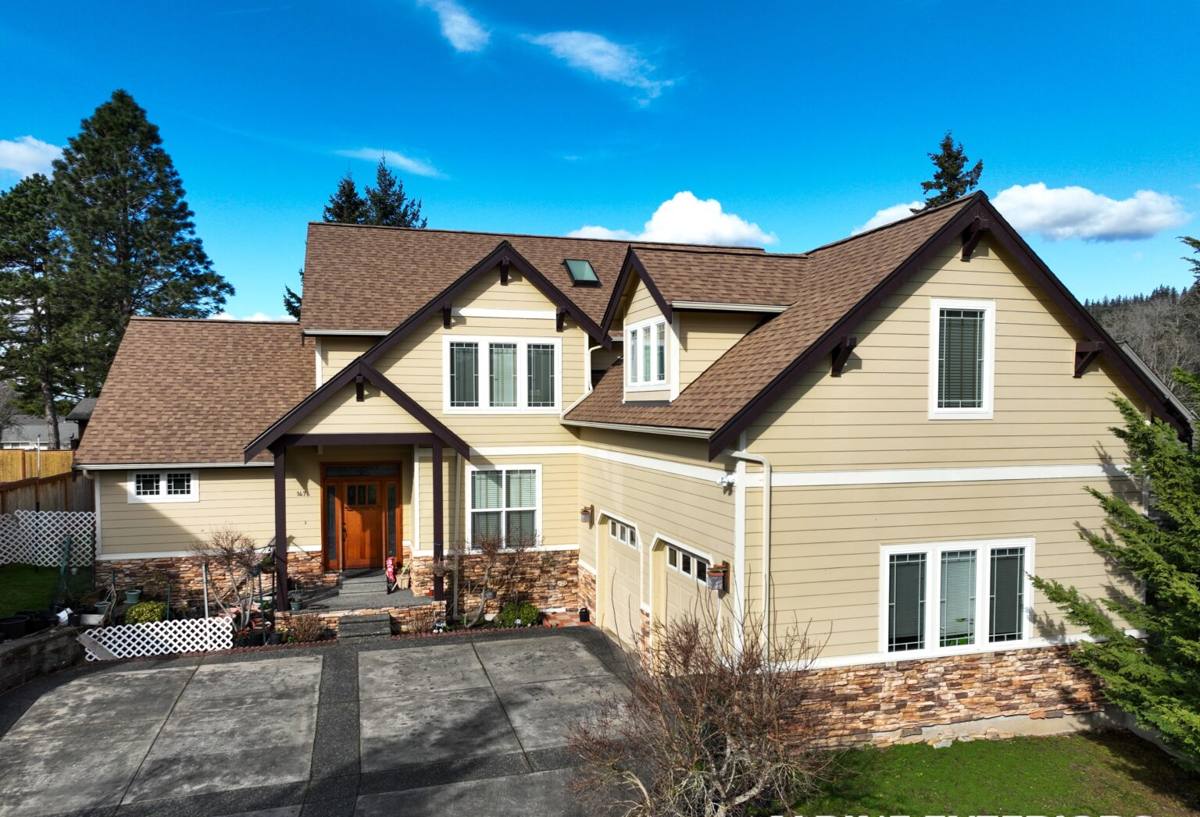
Signs a Fairhaven Deck Needs Repair
Salt air and moisture don't damage a deck evenly. They attack specific spots first, and those spots are worth checking before winter sets in again.
- Soft or spongy spots when you walk across the decking, especially near the house or at board ends
- Rust streaks or a loose feel around screws, nails, or joist hangers
- Gaps opening up where the deck meets the house siding or where flashing should be
- A green or black film that keeps coming back within weeks of cleaning it off
- Railings or posts that flex more than they used to, or a stair stringer that feels different underfoot
- Standing water that takes more than a day to dry after rain, instead of draining off
Any one of these on its own is usually a straightforward repair. Several showing up together, especially around the ledger board where the deck attaches to the house, is worth a closer look sooner rather than later — that connection carries the structural load, and moisture problems there don't stay small.
What a Correct Deck Repair Actually Involves
Structural Framing First
Before we touch a single deck board, we check the framing underneath — joists, beams, and the ledger connection to the house. This is the part homeowners can't see and the part that matters most. A deck can have brand-new boards on top and still be unsafe if the joists underneath have soaked up moisture and started to soften, or if the ledger flashing has been letting water track into the house rim joist for a season or two.
Decking Boards and Fasteners
Individual boards get replaced when they're cupping, splitting, or soft — not the whole deck just because a few boards are bad. We also look hard at the fasteners. In a salt-air environment, standard fasteners corrode faster than people expect, and a deck that was built with the wrong screws for coastal exposure will show loose boards years before it should.
Ledger Board and Flashing
This is the single most common failure point on Fairhaven decks, and it's the one that causes the most damage if it's ignored. Flashing at the ledger keeps water from running down behind the board and into the house framing. When it's missing, undersized, or was never properly lapped with the house's water-resistive barrier, water gets in slowly and quietly for years before anyone notices rot in the wall behind it. Getting this detail right is non-negotiable in our repair process.
Railings, Stairs, and Guards
Railings take constant hand contact and constant weather, so post connections and baluster attachment get checked for looseness and rot, not just appearance. Stair stringers get the same structural attention as the main frame, since they're just as load-bearing and often overlooked.
Repair or Replace? Honest Cost Factors
Not every deck problem needs a full rebuild, and we won't sell you one if it doesn't. The table below is a general guide to how we think through it — actual numbers depend on deck size, access, and what we find once we open things up.
| Factor | Leans Toward Repair | Leans Toward Replacement |
|---|---|---|
| Framing condition | Joists and beams are solid, damage is at the surface | Multiple joists soft or rot has reached the beam |
| Ledger connection | Flashing issue only, structure behind it is dry | House rim joist shows rot from long-term water intrusion |
| Age of deck | Under 15-20 years, built to a reasonable standard | Original construction predates current fastener and flashing practices |
| Extent of damage | Isolated to a few boards or one section | Widespread across most of the deck surface |
| Budget priority | Extend usable life a number of years affordably | Want a long-term, lower-maintenance solution now |
A lot of decks in this area fall into the repair column, especially if the framing was built with decent lumber and the damage is really just surface-level from years of moss and moisture sitting on top of boards.
How Our Process Works
1. On-Site Inspection
We walk the whole deck, check underneath where we can access it, probe suspicious boards, and inspect the ledger and flashing. This is where we tell you honestly whether you're looking at a repair or something bigger — we're not going to talk you into replacing a deck that has a few years of good life left in it.
2. A Clear, Written Plan
You get a straightforward rundown of what's failing, what we recommend fixing, and roughly what that involves. No pressure to add scope that isn't needed.
3. The Repair Itself
We replace what's actually bad, correct any flashing or fastener issues we find so the same failure doesn't happen again in the same spot, and match materials as closely as reasonably possible so the repair doesn't stand out.
4. Final Check
Before we call it done, we walk the deck again with you, check that everything is solid and draining properly, and point out anything worth keeping an eye on going forward.
Decking Materials: What Holds Up Near the Bay
If enough of your decking needs replacing that you're choosing materials again, it's worth understanding the trade-offs specific to a salt-air, high-moisture setting like Fairhaven.
| Material | Strengths Here | Trade-Offs Here |
|---|---|---|
| Pressure-treated wood | Lower upfront cost, familiar repair process | Needs regular sealing and moss cleaning to hold up in this climate |
| Cedar | Naturally moisture and insect resistant, ages well visually | Softer surface, still needs periodic maintenance near salt air |
| Composite decking | Doesn't rot, very low maintenance, holds up well to moss and moisture | Higher upfront cost, some products can get slick when wet and mossy |
There's no universally "right" answer — it depends on how much upkeep you want to do versus what you're willing to spend upfront. We'll walk you through it honestly rather than pushing whatever we happen to have a deal on.
Maintenance That Actually Extends the Life of a Fairhaven Deck
A repaired deck stays repaired longer with a little seasonal attention. This is the short list we give homeowners after finishing a job out here:
- Sweep debris and standing moss off boards regularly through fall and winter, not just once in spring
- Keep gutters and downspouts near the deck clear so runoff isn't dumping directly onto it
- Check the ledger area at the house connection once a year for gaps, staining, or soft trim
- Re-seal wood decking on the schedule the product actually calls for, not just when it looks dry
- Address a soft board or loose railing post as soon as you notice it, before the next wet season sets in
Why It Matters That We Already Work in Fairhaven
Deck problems here follow patterns that repeat from one property to the next — the same ledger flashing shortcuts, the same fastener corrosion, the same moss buildup on north-facing sections that never get direct sun. A crew that already works this stretch of Whatcom County recognizes those patterns immediately instead of treating your deck as a one-off puzzle. That means faster, more accurate inspections and repairs that account for what this specific environment does to a deck over time, not a generic fix pulled from a drier climate's playbook.
If your deck near Fairhaven has soft spots, loose railings, or a moss problem that keeps coming back, we're happy to take a look. Reach out for a free, no-pressure estimate — we'll tell you straight whether it's a repair or something more, using the form below.