 Ferndale Siding
 Windows Built for the Lummi Nation Shoreline Climate
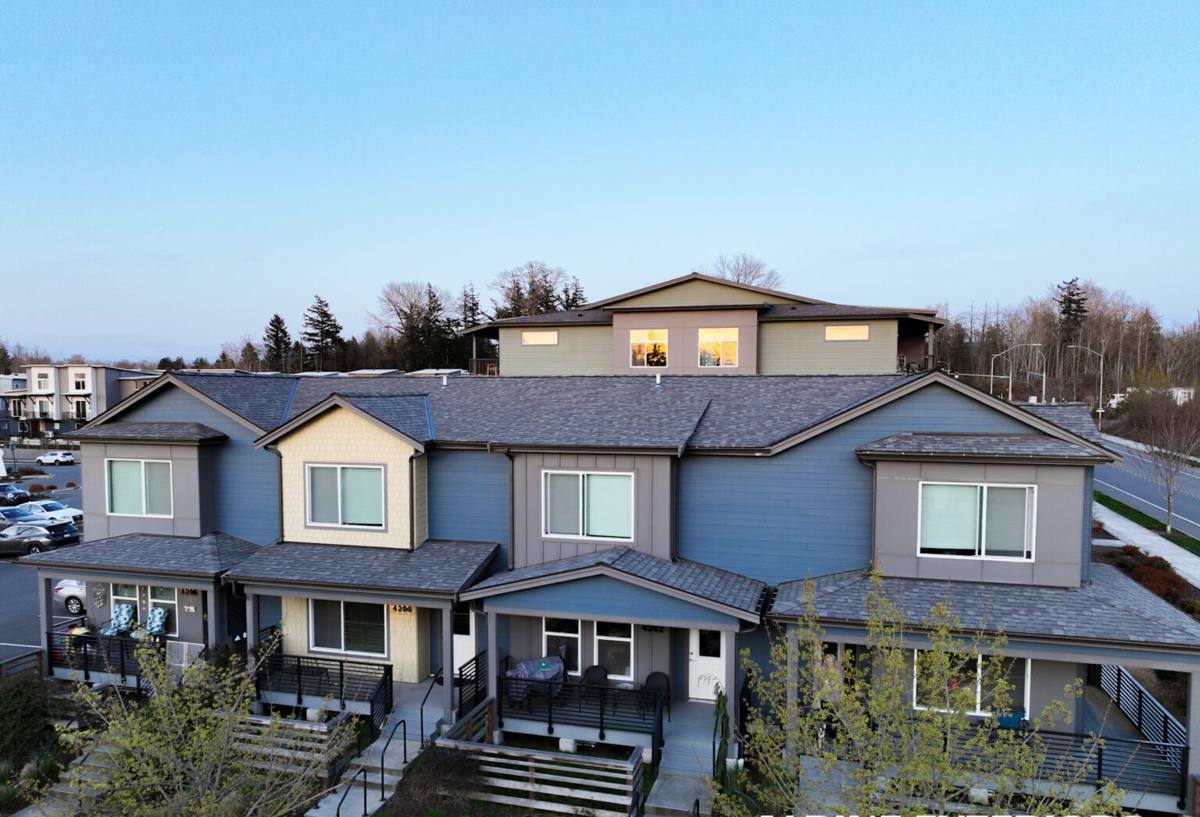
Homes along the Lummi Nation waterfront and the surrounding Ferndale area sit in one of the more demanding window environments in Whatcom County. You've got salt-laden air coming off Bellingham Bay and the Strait of Georgia, wind-driven rain that hits window walls sideways instead of straight down, and a wet season that stretches long enough to give moss and algae real time to take hold on anything that stays damp. Old aluminum-frame windows and worn-out wood sashes don't hold up well against that combination — they corrode, they fog between panes, and they let cold drafts in right when your heat is working hardest.
Energy-efficient windows aren't just about a lower power bill, though that's real. In this area, the bigger issue is usually moisture and air infiltration. A window that's sealing properly keeps salt-moist air from working its way into wall cavities, keeps condensation off your glass and sills, and keeps your home comfortable without the furnace running constantly to fight drafts. Get the product and the install right, and a window replacement on a Lummi Nation home should be a once-in-a-generation project, not something you're patching every couple of years.
What Salt Air and Driving Rain Actually Do to Windows
Salt Air and Metal Components
Salt in the air accelerates corrosion on anything metal — window hardware, weep hole covers, aluminum cladding, screen frames. Once corrosion starts on a hinge or a lock mechanism, the window stops sealing tightly, and that's when air and moisture start sneaking in around the sash. Vinyl and fiberglass frames don't corrode the way aluminum does, which is a big part of why we lean toward those materials for homes this close to the water.
Wind-Driven Rain
Rain that comes in sideways off the water tests a window's water management in ways that vertical rain never does. It gets pushed up under sills, into corner joints, and behind trim if the flashing and sealant aren't done correctly. A window can look fine from inside for years while water is quietly working its way into the wall framing behind it. This is why we pay as much attention to how a window is flashed and sealed into the rough opening as we do to the window itself.
Moss, Algae, and the Long Wet Season
Whatcom County's wet season runs long, and anything that stays shaded and damp — north-facing walls, window sills under overhangs, areas near tree cover — is going to grow moss and algae if it isn't detailed to shed water and dry out. On windows specifically, that shows up as green or black growth on sills, in corner seams, and on any horizontal trim. It's not just cosmetic; trapped moisture under that growth is what eventually rots wood trim and stains vinyl.
What a Correct Window Replacement Involves Here
A window job done right for this climate has a few non-negotiables:
- Proper flashing and drainage plane integration — the window has to tie into the wall's water-resistive barrier correctly, not just get caulked around the edges.
- Sloped sill pans — any water that does get behind the window needs a clear path back out, not a low spot where it can pool.
- Corrosion-resistant hardware and fasteners — standard steel screws and clips don't last near salt air; stainless or coated hardware is worth the small upcharge.
- Low-maintenance frame material — vinyl or fiberglass frames hold up to salt exposure and driving rain far better than bare aluminum or unclad wood.
- Quality low-E, double- or triple-pane glass — cuts heat loss and reduces interior condensation, which matters in a climate this damp.
- Continuous, compatible sealant — the wrong sealant chemistry against certain frame materials breaks down early, especially with constant moisture exposure.
Skip any one of these and you can end up with a window that looks new but fails the same way the old one did — just faster, because a bad install traps moisture instead of shedding it.
Choosing the Right Frame and Glass for This Location
| Frame Material | Salt Air / Moisture Performance | Maintenance | Typical Fit |
|---|---|---|---|
| Vinyl | Very good — won't corrode or rot | Low — occasional cleaning | Most homes; best value for coastal exposure |
| Fiberglass | Excellent — very stable in moisture and temperature swings | Low | Higher-end replacements, larger openings |
| Wood (clad exterior) | Good if cladding is intact; vulnerable if damaged | Higher — exterior cladding and seals need monitoring | Homes wanting a traditional wood interior look |
| Bare aluminum | Poor near salt air — corrodes, conducts cold | Highest | Not recommended for this location |
Glass matters as much as frame material. For this climate, we generally recommend double-pane windows with a low-E coating as the baseline, with triple-pane as an upgrade for rooms that face the water directly or get the worst of the wind. Argon or krypton gas fill between panes adds insulation value without adding real maintenance burden. Beyond the glass package, look at the whole-window U-factor and Solar Heat Gain Coefficient (SHGC) ratings on the label — those two numbers tell you more about real-world performance here than any marketing name.
Our Process for Lummi Nation Window Projects
1. On-Site Assessment
We look at each opening individually — sun exposure, wind exposure, current signs of water intrusion or rot, and how the existing flashing was done. Not every window on a home faces the same conditions, and the recommendation can differ window to window.
2. Product Selection
We walk through frame material, glass package, and grille/style options based on your home's exposure and your budget, without pushing a single "one size fits all" product.
3. Removal and Opening Prep
Old windows come out carefully so we can inspect the rough opening for hidden rot or moisture damage before anything new goes in. Any damaged framing gets addressed at this stage — installing a new window over a compromised opening just locks the problem in.
4. Flashing, Sealing, and Installation
This is where most of the long-term performance is won or lost. We integrate the window with the existing water-resistive barrier, install a sloped sill pan, and use sealants matched to the frame material — no shortcuts on the details that keep wind-driven rain out.
5. Final Check and Cleanup
We test operation, check seals, and walk the job with you before we consider it done.
Why It Matters to Hire a Crew That Works This Area
A contractor who mostly works inland doesn't think about salt air corrosion or wind-driven rain the same way a crew that regularly works Lummi Nation and the greater Ferndale shoreline does. It shows up in small decisions — which hardware finish to spec, how much slope to build into a sill pan, whether a sealant will actually hold up against sustained moisture exposure. Those aren't things you learn from a manual; they're things you learn from seeing what fails in this specific environment and fixing your process so it doesn't happen again. We'd rather spend the extra time getting the flashing and sealing right the first time than come back in five years to fix water damage that a shortcut caused.
Signs Your Current Windows Are Losing the Battle
- Fogging or moisture between panes (failed seal on double- or triple-pane glass)
- Visible corrosion or pitting on hardware, hinges, or aluminum frames
- Green or black growth building up on sills or in corner seams
- Drafts you can feel around the sash even with the window latched
- Soft or discolored trim/sill wood, which usually means water has been getting behind it
- Windows that are noticeably harder to open and close than they used to be
- Visible daylight or gaps around the frame from outside
If you're seeing two or more of these on the same window, it's worth having it looked at before the damage spreads into the wall framing.
What Affects the Cost of a Window Project Here
| Factor | Why It Matters |
|---|---|
| Number and size of openings | More or larger windows means more material and labor |
| Frame material | Vinyl is typically the most budget-friendly; fiberglass and clad-wood cost more upfront |
| Glass package | Triple-pane and upgraded low-E coatings add cost but improve comfort and efficiency |
| Condition of existing openings | Hidden rot or water damage found during removal adds repair scope |
| Access and elevation | Second-story or hard-to-reach windows take more time and equipment |
Costs vary widely project to project, so we'd rather give you an honest number after walking your home than throw out a figure that doesn't mean much until we've seen your actual openings.
Get a Straight Answer About Your Windows
If your windows are fogging, drafty, or showing corrosion or moss buildup, it's worth getting a second set of eyes on them before winter weather makes the problem worse. We're happy to walk your home, point out what we actually see — not just what sells — and give you a clear, no-pressure estimate. Use the form below to get started.