 Ferndale Siding
 Board & Batten in Everson: A Style That Has to Earn Its Keep Here
Board and batten has a clean, vertical look that a lot of Everson homeowners want — on farmhouses, on newer construction, on additions that need to visually separate from the rest of the house. But in this part of Whatcom County, a siding style is only as good as how it handles water. Everson sits inland from the coast, yet the same marine weather pattern that pushes salt-tinged air and driving rain across Ferndale and the rest of the county reaches here too, just softened a little by distance. Add a long moss season that runs from fall through spring, and vertical siding either sheds that moisture the way it's supposed to, or it starts holding it against the wall.
This page is specifically about board and batten siding installed correctly for homes in and around Everson — not a generic rundown of the style. If you're comparing siding options for a house here, the details below are the ones that actually matter for how the job holds up.
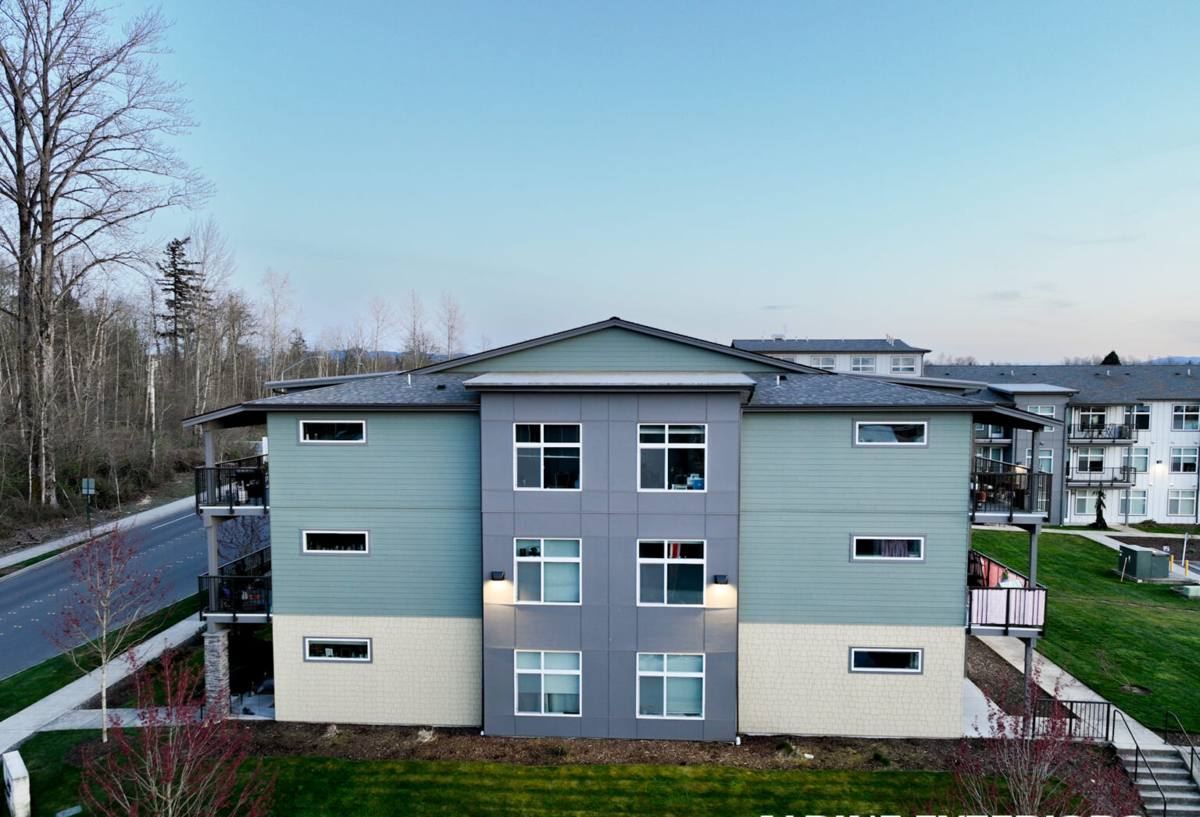
What Whatcom County Weather Does to Vertical Siding
Board and batten's vertical boards and raised battens create more seams and more edges than horizontal lap siding — which is part of its appeal, but also its main vulnerability. Every seam is a place water can find its way behind the cladding if the installation isn't done right.
Three things define the climate load this siding has to survive here:
- Driving rain: Wind-driven rain doesn't just fall straight down — it gets pushed sideways into vertical seams and batten joints, which is exactly where poor installations fail first.
- Long moss season: Cool, damp conditions for much of the year mean anything that stays wet, stays wet longer. Moss and algae take hold on surfaces that don't dry out between rain events, and board and batten has more shaded, low-airflow pockets than flat panel siding if it's built wrong.
- Marine-influenced air: Even set back from open water, this part of the county sees moisture-laden air that keeps humidity elevated compared to drier inland climates. Wood-based products absorb that moisture; the wrong siding material swells, cups, or holds mildew.
None of this means board and batten is a bad choice for Everson. It means the material and the installation method both have to be matched to the climate, not just picked for looks.
Board & Batten vs. Other Siding Styles for This Climate
Homeowners often ask how board and batten actually compares to the more common horizontal lap siding, or to flat panel siding, once you factor in Whatcom County's weather. Here's the honest breakdown.
| Siding Style | Water Shedding | Moss/Algae Exposure | Look |
|---|---|---|---|
| Board & Batten | Good, if rainscreen-installed with proper flashing at every seam | Moderate — battens create shaded ridges that need airflow behind them | Bold, vertical, farmhouse or modern |
| Horizontal Lap | Excellent — each course naturally overlaps the one below | Lower — fewer standing-water pockets, easier runoff | Traditional, widely used |
| Flat Panel | Depends heavily on joint treatment and trim detailing | Higher if joints aren't sealed and maintained | Clean, minimal, modern |
Board and batten isn't the "safest" style from a pure water-management standpoint — lap siding will always shed water more forgivingly. But when it's built with a drainage gap behind the boards and the batten joints are flashed and fastened correctly, it performs well here. The gap between "performs well" and "fails early" is almost entirely about installation quality, which is why this is a page about how we build it, not just what it looks like.
Where Board & Batten Makes Sense in Everson
It tends to work best on gable ends, accent walls, additions, and full exteriors on homes where the vertical lines suit the architecture. On walls with heavy, sustained rain exposure — typically west- and southwest-facing walls that catch the prevailing weather — we pay extra attention to flashing and drainage detail, sometimes recommending a modified approach rather than skipping the style altogether.
What a Correct Board & Batten Installation Actually Involves
A board and batten job that's just boards and battens nailed to the house is the version that fails in five to eight years around here. A job built for this climate includes several layers most homeowners never see:
Drainage Plane and Rainscreen Gap
A weather-resistant barrier goes on the wall sheathing first, followed by vertical furring strips that create a gap — typically around 3/8 inch — behind the siding. That gap lets any water that does get past the surface drain down and out instead of sitting against the wall, and it lets air move behind the siding so damp sections dry out between storms instead of staying wet through the whole moss season.
Flashing at Every Horizontal Break
Window heads, door heads, roof-to-wall transitions, and any horizontal trim need proper metal or manufactured flashing, lapped correctly so water is always directed outward and down — never into a seam.
Batten Spacing and Fastening
Battens need consistent spacing over the board seams and correct fastener length and placement so they hold tight through wind-driven rain without splitting the boards or backing out over time as the material moves seasonally.
Bottom Termination and Ground Clearance
The bottom edge of board and batten siding needs a proper starter strip and enough clearance off grade, decks, and hardscaping to avoid wicking moisture up from splashback — a detail that's easy to shortcut and expensive to fix later.
Every one of these steps is invisible once the job is finished. They're also the difference between siding that looks good for twenty-plus years and siding that looks good for the first photo and starts showing problems within a few winters.
Why We Install Only James Hardie Board & Batten
We don't install vinyl board and batten, LP SmartSide, primed wood boards, or cedar board and batten. That's a deliberate standard, not a limitation of what we're capable of doing.
Wood-based and engineered-wood board and batten products depend on their paint and sealant staying intact at every cut edge and seam to keep moisture out — and board and batten has more edges per square foot than almost any other siding style. In a climate with this much sustained dampness and this long a moss season, that maintenance burden compounds fast. Vinyl board and batten sheds water reasonably well but is a thin, flexible material that shows its age in UV fading and impact damage, and it isn't fire-resistant.
James Hardie fiber cement is what we put on Everson homes instead, for reasons specific to this style and this climate:
- Non-combustible material — fiber cement doesn't feed a fire, which matters for insurance considerations as much as safety.
- Engineered for this climate — Hardie's HZ5 product line is formulated for regions with sustained moisture exposure, resisting moisture-related damage better than wood-based alternatives.
- ColorPlus factory finish — the color is baked on at the factory with a finish designed to hold up against UV and moisture far longer than field-applied paint, which matters enormously on a style with this many exposed edges and seams.
- Dimensional stability — fiber cement doesn't swell, cup, or split the way wood-based boards can when moisture cycles through wet winters and drier summers.
- A strong transferable warranty — backed by the manufacturer, which matters if the home changes hands.
We'll be direct: any siding material can fail if it's installed wrong. But starting with a material that's actually built for this climate, then installing it to spec with a real drainage plane and correct flashing, is how board and batten stops being a maintenance liability and starts being a durable design choice.
Our Process for Everson Homeowners
Because we work in and around Ferndale and Everson regularly, our process is built around what actually shows up on homes in this area — not a one-size-fits-all script.
- On-site evaluation: We look at wall orientation, existing moisture or moss staining, current siding condition, and how water currently moves off the roof and around the foundation.
- Detail plan: We map out flashing points, rainscreen approach, and batten layout before any material is ordered — the plan gets built around the house, not the other way around.
- Tear-off and inspection: Removing old siding lets us check the sheathing underneath for hidden moisture damage before it gets covered back up, which is often the most important step in the whole job.
- Installation to manufacturer spec: Drainage plane, flashing, board and batten installation, and fastening all follow James Hardie's published installation requirements — this is also what keeps the manufacturer warranty valid.
- Final walkthrough: We go over the finished work with you directly, including how to spot early signs of moss buildup or a maintenance issue before it becomes a repair.
Living With Board & Batten Through a Moss-Prone Climate
Correctly installed Hardie board and batten needs very little from you, but a little seasonal attention goes a long way in this climate:
- Rinse siding with a garden hose once or twice a year to clear pollen, dust, and early moss growth before it establishes.
- Keep gutters clear so overflow doesn't run down the wall face and concentrate moisture in one area.
- Trim back shrubs and trees near the house so walls get airflow and sun exposure instead of staying shaded and damp.
- Check caulked joints around windows, doors, and trim annually — caulking is a maintenance item on any siding and is worth a five-minute look each fall.
- Watch north-facing and heavily shaded walls first — they're the earliest to show moss in this climate and the easiest to catch before it spreads.
Cost Factors for Board & Batten Siding in Everson
Board and batten pricing depends on more variables than most homeowners expect. Rather than quote a number that won't fit your specific house, here's what actually moves the cost:
| Factor | Why It Matters |
|---|---|
| Wall complexity | More corners, gables, and dormers mean more cuts, more flashing, and more labor per square foot |
| Sheathing condition | Hidden moisture or rot found during tear-off adds repair work before new siding can go on |
| Existing siding removal | Tear-off and disposal of old material adds cost versus building over sound sheathing where possible |
| Batten spacing and board width | Narrower spacing looks a certain way but uses more material and more fastening labor |
| Color and trim package | Factory-finished ColorPlus boards versus field-painted options affect both cost and long-term maintenance |
An accurate number only comes from seeing the actual walls, which is exactly what a free estimate is for.
Why a Crew That Already Works in Everson Matters
Board and batten is unforgiving of shortcuts, and shortcuts are more tempting for a crew that's never dealt with this specific climate pattern before. A crew that already works Ferndale and Everson regularly has already seen how driving rain hits these walls, where moss shows up first on local homes, and which details actually matter versus which ones are just extra steps on paper.
That local familiarity also shows up in smaller ways — knowing realistic weather windows for installation, understanding typical wall assemblies in homes built in this area, and being reachable afterward if a question comes up rather than being a crew that did one job here and moved on.
If you're weighing board and batten for a home in Everson, we're glad to walk the property with you, look at what your walls are actually dealing with, and give you a straight answer about what a correct installation would involve — no pressure, no upsell script. Reach out for a free estimate and we'll go from there.