 Ferndale Siding
 Asphalt Shingle Roofing Built for the Lummi Nation Area
Homes in and around Lummi Nation sit close to the water, and that changes what a roof has to deal with year after year. Between the salt-laden air coming off Bellingham Bay, the driving rain that blows in sideways during winter storms, and a moss season that seems to stretch longer every year in Whatcom County, an asphalt shingle roof out here works harder than one twenty miles inland. We install and repair asphalt shingle roofing specifically with this environment in mind — not a generic install that happens to be located near the coast.
This page is about one job, done right, in one area: asphalt shingle roofing for homes in the Lummi Nation area near Ferndale. If you're weighing a repair, a full replacement, or just trying to understand what shape your roof is really in, here's what actually matters.
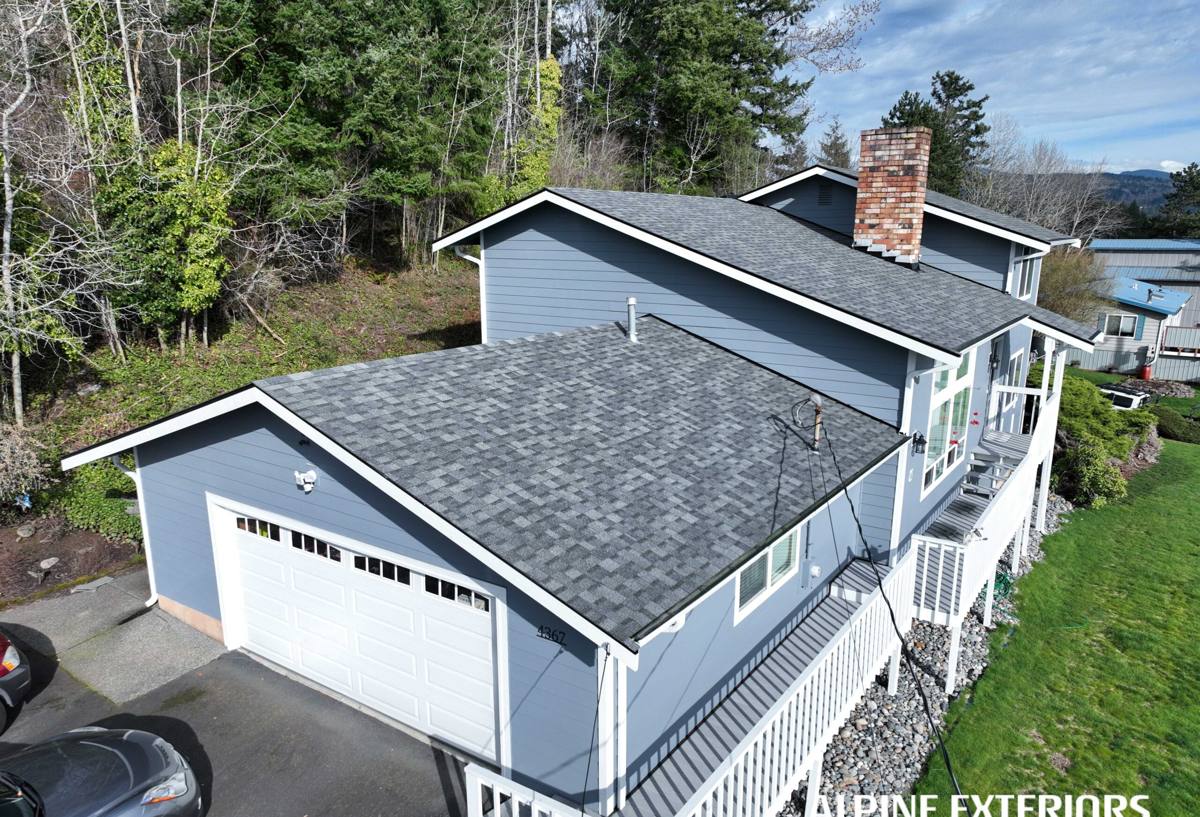
Why Coastal Conditions Wear Shingle Roofs Down Faster
Asphalt shingles are a solid, cost-effective roofing choice almost anywhere in the country. Near the water, though, three things combine to shorten their useful life if the roof wasn't built to account for them:
Salt Air
Airborne salt doesn't just sit on the surface — over years it can accelerate the breakdown of metal flashing, fasteners, and vents if they aren't rated for coastal exposure. A roof that looks fine from the ground can have corrosion starting at the small metal details that keep water out.
Driving Rain and Wind-Driven Water
Whatcom County storms often bring rain sideways off the water, not just straight down. That means water gets pushed up under shingle tabs and around flashing in ways a calm-weather rain never would. If underlayment and flashing details aren't done correctly, wind-driven rain finds the gaps a normal roof inspection might miss.
A Long Moss Season
Shaded, damp roof sections — common under mature trees near Lummi Nation properties — stay wet longer through fall, winter, and spring. That extended dampness is exactly what moss and algae need to take hold, and once moss gets a foothold under shingle tabs, it holds moisture against the roof deck long after the surrounding roof has dried out.
What a Correct Asphalt Shingle Installation Actually Involves
A shingle roof is only as good as what's underneath it. The shingles themselves get all the attention, but the layers and details beneath them are what actually determine whether the roof holds up in this climate.
Deck and Underlayment
Before any shingle goes down, the roof deck gets inspected for soft spots, delamination, or rot — common on older coastal homes where past leaks went unnoticed. We use a synthetic or ice-and-water underlayment in vulnerable zones (eaves, valleys, around penetrations) that resists wind-driven moisture far better than older felt paper, which matters more here than in a drier inland location.
Shingle Selection for Wind and Salt Exposure
Not every asphalt shingle is rated the same for wind. We select shingles with wind ratings appropriate for exposed, near-water lots, and we use corrosion-resistant fasteners and flashing rather than standard-grade metal that degrades faster in salt air. This is a small material cost difference that pays off over the life of the roof.
Ventilation
Proper attic ventilation is easy to overlook and hard to see once the roof is finished — but it's one of the biggest factors in shingle lifespan. Poor ventilation traps moisture and heat, which can cause shingles to age prematurely from underneath, warp the deck, and worsen moss growth on shaded slopes. We check and correct ventilation as part of every full roof job, not as an afterthought.
Flashing and Penetrations
Chimneys, vents, skylights, and roof-to-wall transitions are where the large majority of leaks start — not the open field of shingles. Correct step flashing, counter-flashing, and sealed penetrations are non-negotiable details, especially where wind-driven rain is a regular occurrence.
Managing Moss and Algae Over the Long Term
You can't eliminate moss risk on a shaded, damp roof near the water — but you can build and maintain the roof so moss doesn't shorten its life.
What We Do During Installation
- Recommend algae-resistant shingles for shaded or north-facing slopes where moss pressure is highest
- Install zinc or copper strips near the ridge on request, which help suppress moss and algae growth over time as rain washes trace metal down the roof
- Make sure valleys and low-slope transitions shed water fully instead of holding standing moisture
- Trim back overhanging branches where possible to increase sun exposure and airflow across the roof surface
What Homeowners Can Do Between Services
- Keep gutters and valleys clear of needles and leaf litter, especially heading into fall
- Have moss physically removed (not just chemically killed) before it builds up under shingle tabs
- Avoid pressure washing shingles — it strips granules and shortens shingle life faster than the moss itself
- Schedule a roof check after major windstorms, not just once a year
Signs a Lummi Nation Area Roof Needs Attention
Because coastal wear often starts underneath the shingles or at small flashing details, it's not always obvious from a quick look at the roofline. Here's what we tell homeowners to watch for:
- Granules collecting in gutters or at downspout outlets
- Shingle edges curling, cupping, or lifting, especially on wind-exposed slopes
- Dark streaking or green-tinted patches on shaded sections
- Moss visible along the ridge or in valleys, even if the rest of the roof looks clean
- Rust staining below metal flashing or vent boots
- Daylight or water staining visible from inside the attic
- Soft or spongy spots when walking the roof during an inspection
Any one of these on its own isn't necessarily an emergency, but they're worth a professional look before the next storm season rather than after a leak shows up on a ceiling.
Our Asphalt Shingle Roofing Process
Whether it's a targeted repair or a full replacement, we work the same way:
- Inspection and honest assessment. We look at the deck, ventilation, flashing, and shingle condition — not just the surface — and tell you plainly whether you need a repair or a replacement.
- Straightforward estimate. You get a clear scope of work and price before anything starts, including material choices suited to your home's exposure.
- Protection of your property. Landscaping, siding, and gutters get covered or protected during tear-off and installation.
- Correct installation, in order. Deck repair as needed, proper underlayment, flashing, ventilation correction, then shingles — done in the sequence that actually keeps water out, not shortcuts that save an afternoon.
- Final walkthrough. We review the finished roof with you, including any maintenance notes specific to your lot's sun exposure and tree cover.
Cost Factors for Asphalt Shingle Roofing Here
Every roof is different, but the biggest cost drivers on Lummi Nation area homes tend to be the same handful of factors:
| Factor | Why It Matters Locally |
|---|---|
| Roof size and pitch | Steeper, larger roofs take more labor and material regardless of location |
| Deck condition | Coastal homes with past undetected leaks sometimes need deck repair before shingles go on |
| Shingle grade and wind rating | Higher wind-rated, algae-resistant shingles cost more upfront but perform better in this climate |
| Flashing and fastener material | Corrosion-resistant metal costs more than standard-grade but lasts longer in salt air |
| Ventilation corrections | Adding or fixing attic ventilation adds labor but protects the shingle warranty and lifespan |
| Tear-off complexity | Multiple existing layers or difficult access add time and disposal cost |
| Accessibility and shade | Tree cover and site access can affect both labor time and material choices |
We walk through these factors with you directly during the estimate so you understand what's driving the price — not just a total number with no explanation.
Why Local Experience Matters for This Job
A crew that mainly works drier, inland roofs can still install a technically fine shingle roof — but they may not default to coastal-grade fasteners, algae-resistant shingles on shaded slopes, or extra attention to wind-driven rain details at flashing points, simply because it's not what they see every day. Working regularly in the Lummi Nation area and greater Ferndale means we're not guessing at how salt air, wind exposure, and a long wet season affect a roof over ten or twenty years — we're building for it from the first day of the install.
We also understand that trust matters more when you're inviting a crew onto your property. That means clear communication, a defined scope of work, and no pressure to upgrade beyond what your roof actually needs.
Warranty and Long-Term Care
Manufacturer warranties on asphalt shingles typically cover material defects, and workmanship warranties from your installer cover the quality of the install itself — these are two different things, and it's worth understanding both before you sign anything. We'll walk you through exactly what's covered, for how long, and what routine maintenance (like moss removal and gutter clearing) is expected of the homeowner to keep that warranty valid.
If you're in the Lummi Nation area and want a straight answer about the condition of your current roof or what a new one would involve, we're happy to take a look. Reach out for a free, no-pressure estimate using the form below.