 Ferndale Siding
 Why Lynden Homeowners Are Looking at Metal Roofing
Lynden sits in the farm country of Whatcom County, a few miles south of the Canadian border, where big rural lots, mature trees, and long sightlines mean a roof has to hold up to weather with very little to break it up. When a roof fails here, it's usually not one big storm that did it — it's years of steady rain, wind off the fields, and shade that never quite dries out. Metal roofing holds up to that kind of slow wear better than most other materials, which is why we get more calls about it every year from homeowners replacing an aging asphalt roof or building new.
This page covers what a metal roof needs to do in Lynden specifically, what a correct installation actually involves, and how we handle these jobs from first look to final walkthrough.
What Whatcom County Weather Asks of a Roof
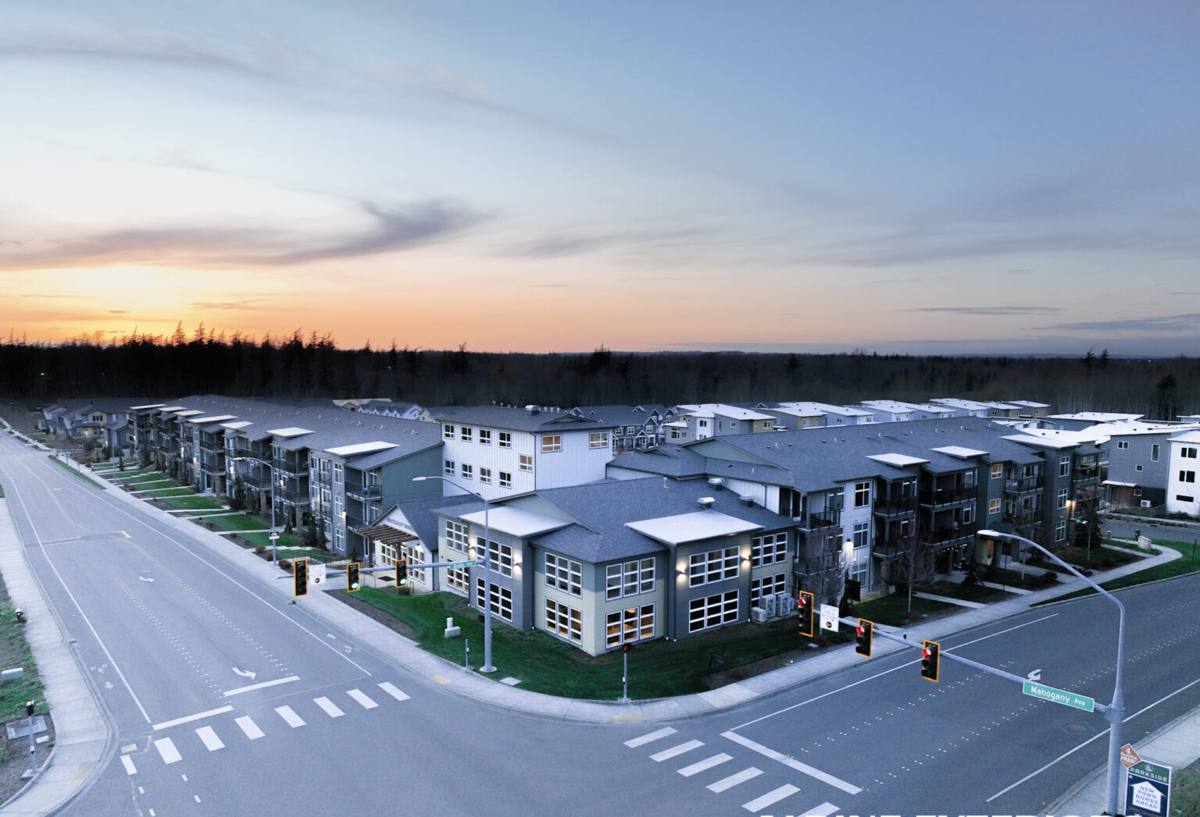
Whatcom County's marine climate reaches well inland, and Lynden isn't spared from it. Moist air off the Strait of Georgia and Puget Sound carries a fine load of salt that settles on every exterior surface in the county, roofs included — it's why fasteners, flashing, and any exposed metal need real corrosion resistance, not just a coat of paint. Add driving rain that comes in sideways during winter storms, and any weak point in a roof's flashing or seams becomes a leak sooner rather than later.
Then there's moss. Whatcom County's roofing season is wet for the better part of eight or nine months, and shaded, north-facing slopes barely dry out between storms. On asphalt shingles, moss gets a foothold in the granules and works its way under the tabs. Metal doesn't give moss the same texture to grip, which is one of the real, practical advantages it has over shingles in a climate like this one — not a marketing point, just physics.
All of that means a metal roof in Lynden has three jobs: shed driving rain without relying on gravity alone, resist corrosion from salt-laden moist air over decades, and stay clean enough that moss and organic debris don't build up in valleys and low-slope sections.
Metal Roofing Systems We Install
Not all metal roofing is the same product wearing different colors. The system matters as much as the material. We install a few different types depending on the home's roof pitch, budget, and how it looks against the rest of the house.
| System | How It's Attached | Best Fit |
|---|---|---|
| Standing seam | Concealed clips, seams mechanically locked or snapped together — no exposed fasteners on the field of the roof | Homes wanting the longest service life and cleanest look; steeper pitches |
| Exposed-fastener panel (5V, corrugated, ribbed) | Screws driven through the panel face into the deck or purlins, with washers | Outbuildings, shops, and budget-conscious main-roof jobs |
| Stone-coated steel shingle/shake | Interlocking panels fastened at the top edge, coated stone granules for a shingle or shake look | Homeowners who want the profile of shingles or cedar shake with a steel roof underneath |
Standing seam is what we recommend most often for primary residences in this area, mainly because of the salt-air factor above — no exposed screw heads means fewer places for corrosion to start over the next thirty-plus years. Exposed-fastener panels are a perfectly sound choice for barns, shops, and detached garages, which are common on the larger lots around Lynden, and they cost noticeably less. Stone-coated steel is worth a look if you want a traditional shingle appearance but are done replacing asphalt every fifteen to twenty years.
What a Correct Metal Roof Installation Involves
Metal roofing is unforgiving of shortcuts in a way that asphalt sometimes isn't — a poor detail on a metal roof tends to show up as a leak or a rattle instead of just aging badly. A correct install pays attention to a handful of things that don't show once the roof is finished.
Underlayment and Water Protection
We run a synthetic, high-temperature underlayment under every metal roof, with self-adhered ice-and-water membrane at eaves, valleys, and any roof-to-wall transition. In a climate that gets driving, wind-blown rain, this layer is what protects the deck if wind ever pushes water up and under a seam or lap.
Fastening and Flashing
On standing seam, panels float on concealed clips so the metal can expand and contract with temperature swings without buckling or tearing loose — fastening it rigidly is one of the most common mistakes we see on older or poorly installed metal roofs. On exposed-fastener panels, correct screw spacing and torque matter: over-driven screws crush the washer seal and under-driven ones leak. Flashing at chimneys, skylights, and sidewalls gets custom-bent and sequenced with the panels, not just caulked over the top.
Ventilation
A metal roof needs the attic or roof assembly underneath it to breathe. Without balanced intake and exhaust ventilation, condensation can form on the underside of the panels during cold, damp Whatcom County nights, which leads to problems that have nothing to do with the roofing material itself. We check and correct ventilation as part of every metal roof estimate, not as an afterthought.
How We Handle a Lynden Metal Roofing Project
- On-site assessment. We look at the existing roof deck, pitch, ventilation, and any moss or moisture damage before we quote anything, so the number you get reflects your actual roof, not an average.
- Tear-off or overlay decision. Some roofs can accept metal panels over an existing layer with the right furring or underlayment; most reroofs in this area get a full tear-off so we can inspect and repair the deck.
- Deck repair and underlayment. Any soft or water-damaged decking gets replaced before a single panel goes down. Underlayment and flashing go in next, sealed at every penetration.
- Panel installation. Panels are installed to manufacturer spec for fastening, seaming, and expansion allowance, working with correct overlap direction for our prevailing weather.
- Trim, flashing, and cleanup. Ridge caps, valleys, gable trim, and penetration flashing are finished last. We do a magnetic sweep for stray fasteners and clear debris before we consider the job done.
- Walkthrough. We go over the finished roof with you, explain what maintenance (if any) it needs, and answer questions before we call it finished.
Cost Factors for a Lynden Metal Roof
Metal roofing costs more up front than asphalt shingles, and the final number depends on more than just square footage. These are the factors that move the price most on the jobs we quote in this area:
| Factor | Why It Matters |
|---|---|
| Panel system chosen | Standing seam runs higher than exposed-fastener panel or stone-coated steel because of the labor and material involved in seaming |
| Roof pitch and complexity | Steep pitches, multiple valleys, and dormers all add labor and custom flashing work |
| Tear-off vs. overlay | Removing and disposing of an old roof adds cost but lets us inspect and fix the deck underneath |
| Deck condition | Rot or soft decking found during tear-off has to be replaced before installation continues |
| Metal gauge and coating | Heavier gauge steel and better paint or coating systems cost more but last longer in salt-air conditions |
| Ventilation upgrades | Adding or correcting attic ventilation as part of the job is a smaller cost than dealing with condensation damage later |
We don't quote metal roofing off a square-footage rule of thumb over the phone — the factors above shift the price too much for that to be honest. A site visit gets you a number based on your actual roof.
Keeping a Metal Roof Moss-Free and Performing Well
A metal roof asks for a lot less maintenance than shingles, but "a lot less" isn't "none." A short annual routine keeps it performing the way it's supposed to through Whatcom County's long wet season:
- Clear leaves and needles out of valleys and behind chimneys or skylights before fall rains set in
- Check that gutters are clear so water isn't backing up under the eave edge
- Look over shaded, north-facing slopes for early moss or algae growth and remove it before it spreads
- Inspect flashing and sealant at penetrations for cracking or lifting, especially after a hard freeze
- Confirm attic ventilation isn't blocked by insulation or debris, especially after any attic work
- Have any scuffed or scratched panel coating touched up promptly to prevent a corrosion starting point
None of this requires walking the roof yourself — most of it can be checked from a ladder at the eave or handled during a yearly gutter cleaning.
Why Hire a Crew That Already Works in Lynden
Metal roofing rewards a crew that's done it enough times to get the details right the first time, and it punishes ones that haven't. A seam installed a quarter-inch out of true, a fastener overdriven by a few turns, or flashing sequenced in the wrong order won't show up as a problem on install day — it shows up as a leak two winters later, after the crew that installed it has moved on to other work.
We work throughout Ferndale and the surrounding Whatcom County towns, including Lynden, and that matters for reasons beyond familiarity with the area. We know how local building departments want metal roofing permitted and inspected, we carry stock of the flashing profiles and fastener types that hold up to this county's weather, and we're a phone call away — not a company passing through for one job. If a warranty question comes up five years from now, we're still here to answer it.
Get a Free Estimate for Your Lynden Metal Roof
If you're weighing metal roofing against another reroof for your Lynden home, we're glad to take a look and give you an honest read on what your roof needs — no pressure, no inflated urgency. Use the form below to request a free estimate, and we'll get back to you to schedule a time to come out.