 Ferndale Siding
 Window Installation Built for Lynden's Weather, Not Just the Opening
Lynden sits inland from the coast but still takes a beating from the same weather patterns that define this corner of Whatcom County: damp air moving off the Salish Sea, long stretches of driving rain in the fall and winter, and a moss season that seems to stretch longer every year. Windows here don't fail because of one bad storm. They fail slowly, from moisture that finds its way behind trim and flashing that was never sealed correctly in the first place. A window installation done right for a Lynden home accounts for that from day one, not as an afterthought.
This page is specifically about window installation for homes in and around Lynden. It's not a general overview of every siding or exterior service we offer — it's a look at what this particular job requires in this particular climate, and what separates a window that performs for twenty-plus years from one that starts leaking within five.
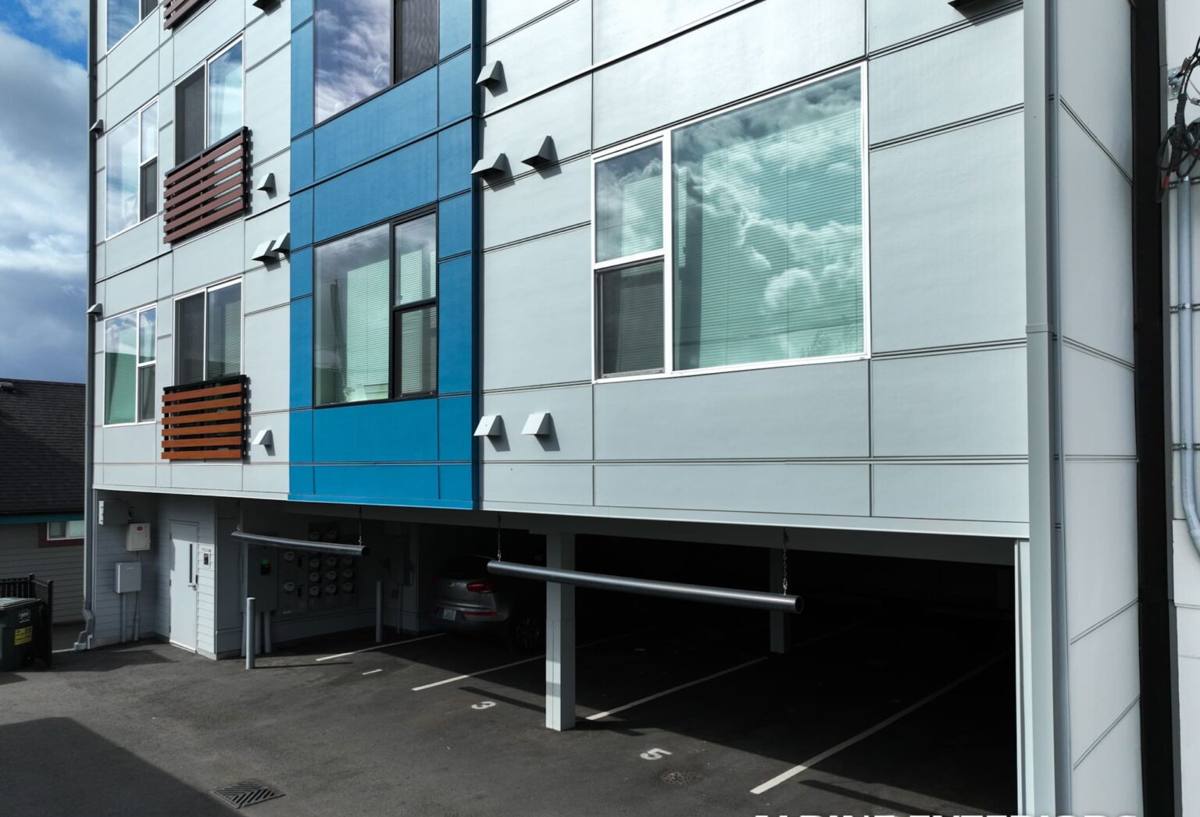
What Lynden's Climate Does to Windows Over Time
Moisture and Flashing Failures
The biggest threat to a window isn't the glass — it's water finding a path behind the frame. In a region with as much sustained rainfall as Whatcom County sees, even a small gap in flashing or a bead of sealant applied in the wrong spot can let moisture track down into the wall cavity. You often don't see it until there's staining on interior trim, a soft spot in the sill, or a musty smell that won't go away. By then, the damage usually extends well past the window itself.
Salt Air and Hardware Corrosion
Homes closer to the water pick up salt-laden air that speeds up corrosion on window hardware — hinges, locks, balance systems, and screws. Even homes further inland in Lynden get some of this exposure carried on prevailing winds. Lower-grade hardware and fasteners that aren't rated for coastal-adjacent conditions tend to seize up, rust, or fail years before the window itself is due for replacement.
Moss, Algae, and Drainage Blockage
A long moss season doesn't just affect roofs. Moss and algae growth on sills, in weep holes, and along the bottom track of a window can block the small drainage paths that are supposed to let water escape. When those weep holes clog, water pools instead of draining, and that's exactly the kind of standing moisture that rots wood components and delaminates vinyl over time.
Signs a Lynden Home May Need New Windows
Not every issue means a full replacement, but these are the signs worth taking seriously before they turn into structural repairs:
- Visible gaps, cracking, or soft wood around the window frame or sill
- Windows that are difficult to open, close, or lock — often a sign of a warped or shifted frame
- Condensation forming between panes on a double-pane window (a sign the seal has failed)
- Noticeable drafts or a cold spot near the window even when it's fully closed
- Peeling paint, discoloration, or a musty smell on interior trim near the window
- Visible daylight or a rattling sound around the frame during wind and rain
- A noticeable jump in heating costs without another clear explanation
What a Correct Window Installation Actually Involves
It Starts Before the Old Window Comes Out
A proper installation begins with an honest look at what's behind the existing window — the condition of the rough opening, the sheathing, and any existing water damage. Skipping this step is how a new window ends up installed over a hidden problem, which guarantees issues down the road regardless of how good the window itself is.
Flashing and Weather Barrier Integration
This is the part that matters most and shows the least. Flashing has to be layered correctly with the house wrap or weather barrier so water is always directed outward and down, never behind the barrier. This is a sequencing problem as much as a materials problem — get the order wrong and even premium flashing tape won't do its job.
Proper Sizing, Shimming, and Leveling
A window that's slightly out of square will bind, won't seal evenly, and puts uneven stress on the frame that shortens its life. Correct shimming keeps the frame square and properly supported without over-compressing it, which is a common cause of operational failures in the first couple of years.
Sealants, Fin Types, and Fastening
Nail-fin, block-frame, and flush-fin windows all require different sealing approaches. Using the wrong sealant for the substrate, or fastening in the wrong pattern, can compromise the whole assembly even if everything else was done well. This is also where corrosion-resistant fasteners matter most, given the salt air exposure common throughout this part of Whatcom County.
Choosing the Right Window for a Lynden Home
There's no single "best" window — the right choice depends on the home's age, exposure, and budget. Here's how the common frame options generally compare for this climate:
| Frame Material | Moisture Resistance | Maintenance | Typical Lifespan |
|---|---|---|---|
| Vinyl | Good — won't rot, but seams need quality welding | Low | 20–30 years |
| Fiberglass | Very good — dimensionally stable in wet/dry cycles | Low | 30–40+ years |
| Wood (clad exterior) | Fair — depends heavily on cladding and sealant maintenance | Moderate to high | 20–30 years with upkeep |
| Aluminum | Fair — prone to condensation without thermal breaks | Low | 20–25 years |
For most homes in this area, we steer clients toward vinyl or fiberglass options with a strong thermal break and a proven track record in wet, wind-driven climates. Wood-clad windows can still be the right call for certain architectural styles, but we're upfront that they carry a higher long-term maintenance commitment — the cladding and sealant joints need to be checked and refreshed periodically, or moisture will eventually find its way in regardless of the wood's quality.
Our Window Installation Process
1. On-Site Assessment
We look at every window being replaced, check the condition of the rough openings, and flag anything — rot, prior water intrusion, out-of-square framing — that needs to be addressed before installation, not discovered mid-job.
2. Measurement and Product Selection
Windows are measured for an exact fit rather than a "close enough" fit. We walk through frame material, glass package, and hardware options based on the home's exposure and your budget, without pushing an upsell you don't need.
3. Removal and Prep
Old windows are removed carefully to limit damage to surrounding siding and trim. Any compromised sheathing or framing found during removal is repaired before the new window goes in — this is non-negotiable, since installing over a hidden problem just hides it further.
4. Installation, Flashing, and Sealing
The new window is set square, shimmed correctly, and integrated with flashing and the weather barrier in the correct layered order. Sealant is applied at the manufacturer-specified points, not just wherever looks tidy.
5. Final Check and Cleanup
Every window is operated, checked for square and level, and inspected for gaps before we consider the job done. Job site debris and old materials are hauled off — we don't leave a homeowner to deal with disposal.
Cost Factors Worth Understanding
Window installation pricing varies by home, and we'd rather explain the variables honestly than throw out a number that doesn't hold up once we're actually on site. The main factors are:
- Frame material and glass package — vinyl runs less than fiberglass or wood-clad; Low-E coatings and gas fills add cost but improve performance
- Number of windows and standardized sizing — matching sizes across a project reduces custom-order costs
- Condition of the existing opening — rot or framing repair adds labor that can't be known until the old window is out
- Access and window type — second-story or hard-to-reach windows generally take more time and equipment
- Full-frame replacement vs. insert replacement — insert (pocket) replacement is less invasive and often less expensive, but isn't always the right call if the existing frame has any moisture damage
As a broad range, most single window replacements land somewhere in the low-to-mid four figures depending on size and options, with whole-home projects scaling from there. We'll always give you a firm number after we've actually looked at your windows — not a phone estimate.
Why It Matters That We Already Work in Lynden
A window installer who's spent time on homes throughout Whatcom County has already seen how this specific climate treats different products and installation methods over the years — which flashing details actually hold up after a decade of driving rain, which hardware corrodes early near the water, and which sealants perform once the moss season sets in and things stay damp for months at a time. That's the kind of knowledge that doesn't show up in a manufacturer's install guide.
It also means we're not guessing at permit requirements or inspection expectations for the area, and we're not a crew that shows up once and disappears — if something needs a follow-up look after the first real winter storm puts it to the test, we're local and reachable.
Get a Free, No-Pressure Estimate
If you're dealing with drafty windows, foggy glass, or a frame that's starting to show its age, we're happy to take a look and give you a straight answer about what your home actually needs — no pressure, no inflated quote to negotiate down from. Use the form below to request a free estimate for window installation on your Lynden-area home.