 Ferndale Siding
 Deck Replacement Built for Marietta's Waterfront Exposure
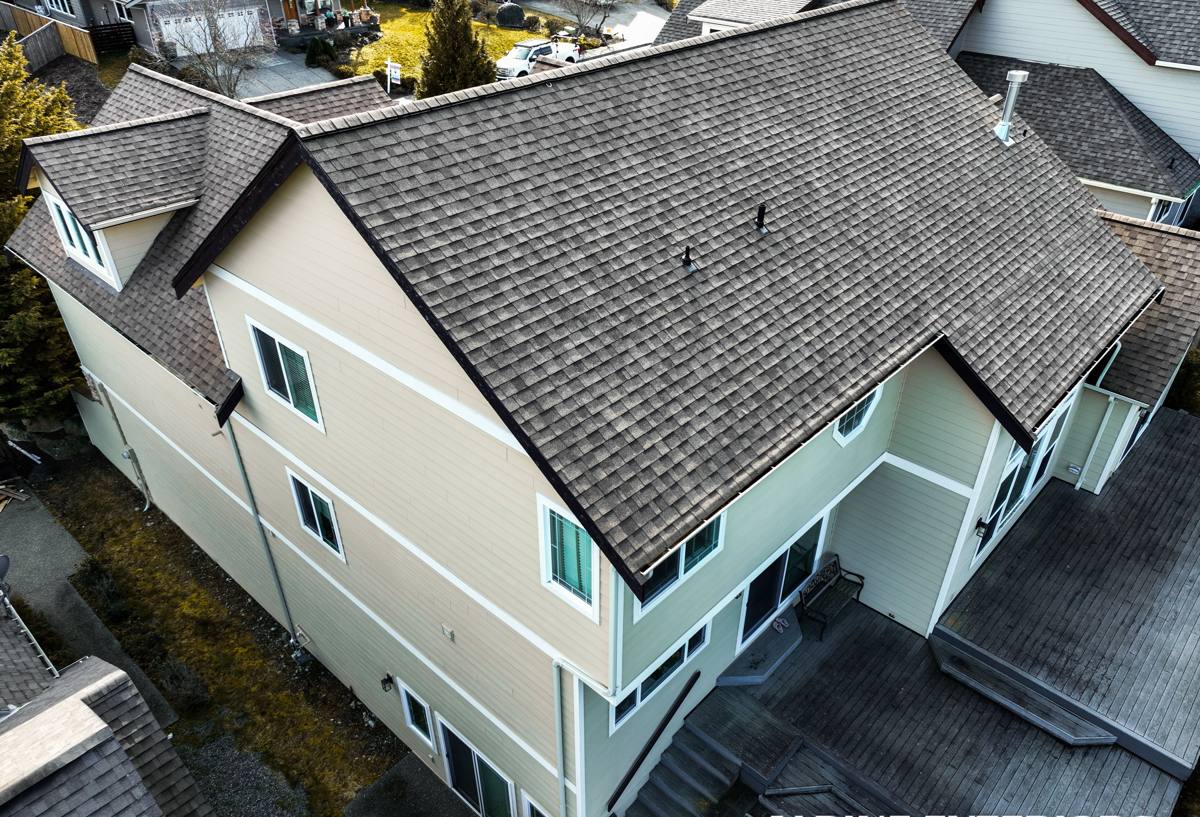
Marietta sits close to the water on the edge of Ferndale, in Whatcom County, and that location puts real demands on an outdoor deck that homes further inland don't deal with in the same way. Salt-laden air, rain that blows sideways as often as it falls straight down, and a moss and algae season that runs long into the year all work on a deck's structure and surface at the same time. A deck that's just old — gray, splintering, maybe a board or two soft underfoot — is a different problem than a deck that's actively failing where it meets the house or where its posts meet the ground. We replace decks in Marietta regularly, and this page walks through what that exposure does to a deck here, what a correct replacement actually involves, and how we approach the job from first call to final walkthrough.
What Marietta's Climate Does to a Deck
Salt Air and Metal Fatigue
Proximity to open water means more salt in the air than a typical inland Whatcom County lot sees, and salt is hard on anything metal. Fasteners, joist hangers, and structural hardware that aren't rated for coastal exposure corrode faster here, and once a fastener starts rusting it loses holding strength well before it looks obviously bad from the surface. A deck can look fine on top while the hardware underneath is already compromised.
Wind-Driven Rain and Standing Water
Open exposure near the water also means less windbreak, so rain tends to come in at an angle instead of falling straight down. That matters most at the ledger board — the framing member that bolts the deck to the house — and at any spot where boards butt up against trim, posts, or the house wall. Water that gets pushed into those joints and can't drain back out is what leads to rot, not just rainfall totals in general.
A Long Moss and Algae Season
Shaded decks and north-facing exposures in this area stay damp for a large part of the year, which gives moss and algae a long season to establish themselves on deck boards and framing. Beyond looking bad and getting slick underfoot, sustained organic growth holds moisture against the wood or composite surface, which accelerates whatever decay process is already underway.
Wet-Dry and Freeze-Thaw Cycling
Whatcom County decks go through repeated wetting and drying, and periodic freezing, over the course of a year. Wood swells when wet and shrinks when it dries, and that repeated movement works fasteners loose, opens up small gaps at joints, and eventually shows up as cupped or split boards. Composite and framing materials handle this cycling differently, which is part of why material choice matters as much as workmanship on a Marietta deck.
Signs a Marietta Deck Needs Replacement, Not Just Repair
Not every tired-looking deck needs to come out. But certain signs point to a structural problem rather than a cosmetic one, and those are worth taking seriously before someone gets hurt.
- Soft, spongy, or spring-feeling boards anywhere on the deck surface
- A ledger board or the wall behind it that feels soft, stained, or shows peeling paint directly above the deck
- Visible rust streaking from fasteners or joist hangers
- Posts that wobble, or a railing that moves more than it should when you lean on it
- Gaps that have opened up at the ledger connection or between framing members
- Persistent moss or algae that returns quickly after cleaning, especially on shaded sections
- A deck more than 15–20 years old that has never had its structural connections inspected
If you're only seeing surface graying or minor splintering on a deck that's otherwise structurally sound, that's often a candidate for resurfacing or targeted repair instead of full replacement. We'll tell you honestly which situation you're in rather than defaulting to whichever job is bigger.
Decking Material Options for Marietta Homes
Material choice affects how much maintenance a deck needs and how it holds up against the specific conditions here. There's no single right answer for every homeowner — budget, appearance preference, and how much upkeep you want to do all factor in — but the trade-offs are worth understanding upfront.
| Material | Maintenance | Performance in This Climate | Typical Trade-Off |
|---|---|---|---|
| Composite decking | Low — no staining or sealing | Resists moisture absorption and rot well; some products can stay slicker with moss/algae film if not cleaned | Higher upfront material cost than wood |
| Pressure-treated lumber | Moderate to high — needs periodic sealing/staining | Treated core resists rot but end cuts and fastener holes are vulnerable points if not sealed | Lower material cost, more ongoing upkeep |
| Cedar | High — regular sealing to hold color and resist moisture | Natural rot resistance is real but diminishes without upkeep in a wet, shaded climate | Attractive appearance, shortest maintenance-free window |
Whatever surface material a homeowner chooses, the framing, ledger, fasteners, and flashing underneath matter more to long-term performance than the decking on top. A composite deck built on undersized or poorly flashed framing will still fail at the structure long before the boards wear out.
What a Correct Deck Replacement Involves
The Ledger Connection
This is the single most important detail on most deck replacements, and it's also the most common place we find prior work done wrong. The ledger board needs proper flashing that directs water away from the house wall, correct structural fasteners (not just deck screws) rated for the load, and a gap or drainage path so water isn't trapped between the ledger and the siding. Get this wrong and water tracks into the wall assembly behind it, which can cause damage well beyond the deck itself.
Footings and Posts
Footings need to be sized and set to current code depth for this area, with post bases that keep the post end off standing water rather than sitting directly on a wet footing. On a Marietta lot with poor drainage or a naturally damp yard, footing placement and drainage around the post base deserve extra attention.
Framing and Fasteners
Joist spacing needs to match the decking material's span rating, and every piece of structural hardware — joist hangers, post caps, structural screws — should be corrosion-resistant hardware rated for exterior and coastal use, not standard interior-grade fasteners. This is where cutting corners saves the least money and costs the most down the line, since replacing a fastener means pulling boards back off.
Board Spacing and Drainage
Deck boards need consistent gapping so water can drain through rather than pool on the surface, and the framing below needs enough clearance and, where relevant, a drainage plan so moisture isn't trapped underneath the deck against the ground or the house foundation.
Railings and Stairs
Railing posts need to be attached to blocking or framing that can actually take a lateral load, not just screwed to a rim joist. Stair stringers see their own wear pattern from foot traffic and weather, and undersized or improperly attached stringers are a common failure point on older decks we replace.
Our Process for a Marietta Deck Replacement
- On-site walkthrough: We look at the existing deck's structure, the ledger connection, framing condition, and how the site drains, not just the surface condition of the boards.
- Honest assessment: We tell you whether you're looking at a repair, a partial rebuild, or a full replacement, and why.
- Material discussion: We walk through decking and framing options based on your budget, maintenance preference, and how the deck is used.
- Written estimate: A clear, itemized estimate with no pressure to sign on the spot.
- Tear-off and structural work: Old decking, framing, and ledger connections come out; anything with hidden rot or damage gets addressed rather than built over.
- New construction: Ledger flashing, footings, framing, decking, and railings go in to current code and to the fastening standards this climate calls for.
- Final walkthrough: We go over the finished deck with you before calling the job done.
Cost Factors for a Marietta Deck Replacement
| Factor | What It Affects | Why It Matters Here |
|---|---|---|
| Deck size and shape | Material quantity and labor time | Multi-level or irregular shapes take more framing and cutting |
| Decking material | Material cost and long-term maintenance | Composite costs more upfront but needs less upkeep against moss and moisture |
| Ledger and framing condition | Whether hidden rot repair is needed | Water intrusion at the ledger is common on older decks near the water |
| Footing and post condition | Whether footings can be reused or need replacing | Undersized or shifted footings are common on older Whatcom County decks |
| Site access and grade | Labor time and equipment needs | Sloped or tight lots near the water can complicate material staging |
| Railing and stair scope | Additional structural work | Code-compliant railing attachment often requires added blocking |
Exact pricing depends on your specific deck and lot, which is why we give a real number after walking the property rather than quoting off a generic price list.
Why a Crew That Works Marietta Regularly Makes a Difference
A contractor who works this stretch of Ferndale and the surrounding waterfront area routinely has already seen how salt air, driving rain, and a long moss season play out on real decks here over the years — not just how a product performs on paper. That shows up in practical decisions on install day: which fastener grade is actually worth the extra cost, where the ledger flashing detail needs the most attention, and which framing choices hold up through a full wet season instead of just looking right on day one. Marietta's closeness to the water means it takes a heavier, more constant version of the exposure that the rest of Whatcom County deals with only part of the year, and a crew with hands-on local experience treats that seriously rather than building to a generic inland spec.
Get an Honest Look at Your Deck
If your Marietta deck is showing soft spots, rust, wobble, or just age, we're glad to come take an honest look and tell you what it actually needs — repair, partial rebuild, or full replacement. Reach out using the form below to schedule a free, no-pressure estimate.