 Ferndale Siding
 Metal Roofing Built for Nooksack Homes
Nooksack-area homes near Ferndale sit in a stretch of Whatcom County that takes a heavier, more constant version of the weather the whole region deals with. Salt-tinged marine air moves in off the water, rain arrives sideways as often as it falls straight down, and the combination of shade, moisture, and mild temperatures keeps moss active for most of the year instead of just a few winter months. A roof out here isn't just shedding water — it's fighting corrosion, wind, and organic growth on a near-constant basis, and that changes what "the right roof" actually means.
Metal roofing has become a common answer for homeowners in this area who are tired of replacing asphalt shingles every fifteen to twenty years, or who are done fighting moss that keeps coming back no matter how often the roof gets cleaned. Done correctly, a metal roof handles the specific stresses of a Nooksack property better than most alternatives. Done poorly, it can fail in ways that are more expensive to fix than a shingle roof would have been. This page covers what a correctly installed metal roof involves on a property like this, and what to expect if you're considering one.
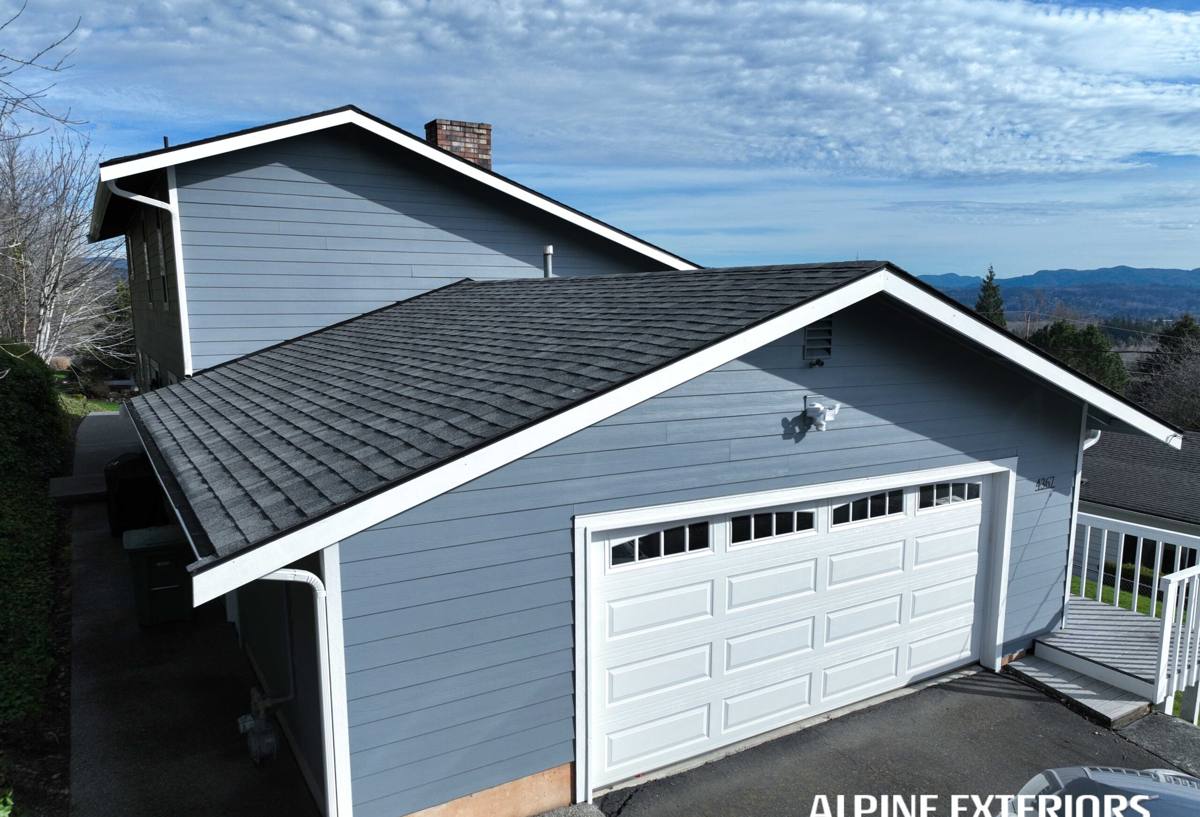
What Nooksack's Climate Does to a Roof Over Time
Salt Air and Corrosion
Homes in this part of Whatcom County pick up salt-laden moisture carried in off the water, and that moisture accelerates corrosion in anything metal that isn't rated to handle it — fasteners, flashing, gutters, and lower-grade roofing panels alike. A cheap steel panel or an uncoated fastener that would last decades in a dry inland climate can show rust streaks and pitting within a few years out here. This is the single biggest reason panel and fastener selection matters more on a Nooksack roof than it does on a roof forty miles inland.
Wind-Driven Rain
Rain in this area doesn't always fall straight down. Wind off the water pushes it sideways and even upward under roof edges, laps, and around penetrations, which is a harder test than a simple rainfall total suggests. A roofing system built around the assumption that water only moves downhill will eventually leak here, usually at a valley, a flashing detail, or a fastener location that wasn't built to resist wind-driven intrusion.
A Long Moss Season
Shade, mild temperatures, and near-constant moisture add up to a moss season that runs longer here than in drier parts of the county. On an asphalt shingle roof, moss takes root in the granule surface and holds moisture against the roof deck, which is exactly the condition that leads to rot over time. Metal doesn't give moss the same texture to grab onto, which is one of the practical reasons homeowners in shaded, moisture-prone spots near Nooksack look at metal in the first place.
Panel Types and Finishes: Choosing What Fits This Property
"Metal roofing" isn't one product — it's a category with real differences in cost, appearance, and how each type performs under sustained coastal exposure. The right choice depends on the roof's pitch, the home's style, and the budget, but not every option is a good match for a climate this demanding.
| Panel Type | How It's Fastened | Best Fit for Nooksack Conditions |
|---|---|---|
| Standing seam steel or aluminum | Concealed clips, no exposed fasteners on the field | Strongest option against wind-driven rain since there are no exposed penetrations for water to find |
| Exposed-fastener panel | Screws driven through the panel face | Lower upfront cost, but every fastener is a potential leak point and a corrosion point that needs monitoring over time |
| Stone-coated steel | Interlocking panels, concealed fasteners | Mimics shingle or tile appearance with metal's durability; a reasonable middle option for homeowners who want the look of a traditional roof |
| Corrugated or ribbed steel | Exposed fasteners along the ribs | Common on outbuildings and shops; workable on a house but not our first recommendation given the exposed fastener count |
Material matters as much as panel style. Aluminum doesn't rust because it doesn't contain iron, which makes it a strong choice for properties closest to open water. Steel panels are typically protected with a zinc or zinc-aluminum coating and then a paint finish — the quality of both layers determines how well the panel actually holds up to salt exposure over its life, which is why we don't treat all "steel roofing" as interchangeable when quoting a job in this area.
What a Correct Metal Roof Installation Actually Involves
A metal roof is only as good as what's underneath it and how it's fastened down. This is where most of the difference between a roof that lasts decades and one that leaks within a few years actually gets decided.
Underlayment and Moisture Barrier
Metal panels expand and contract with temperature swings, and the underlayment beneath them is what actually keeps the deck dry if wind-driven rain gets past the panel seams or a condensation event occurs on the underside of the metal. We use synthetic or self-adhered underlayment rated for this kind of exposure rather than older felt products that don't hold up as well to sustained moisture.
Fasteners, Flashing, and Penetrations
Every screw, clip, and flashing detail on a metal roof needs to be rated to resist the same corrosion the panels themselves are built to handle. Mismatched metals at a fastener or flashing joint can trigger galvanic corrosion, where two dissimilar metals in contact with moisture accelerate each other's breakdown. Valleys, chimney flashing, pipe boots, and skylight curbs are where the vast majority of roof leaks actually originate, on metal roofs just as much as on shingle roofs, so these details get the most attention on install day.
Ventilation
Proper attic and roof deck ventilation keeps moisture from condensing on the underside of the metal panels and prevents heat buildup that can shorten the life of the underlayment. A metal roof installed over a poorly ventilated attic can develop condensation problems that have nothing to do with the panels themselves and everything to do with what's happening underneath them.
Repair, Overlay, or Full Tear-Off?
Not every Nooksack home needs a full roof replacement to get to metal. In some cases, metal panels can be installed over an existing roof deck with the right underlayment and furring strategy, which can reduce cost and disposal. But if the existing roof deck has hidden moisture damage, or the home has had ongoing moss and leak issues, a full tear-off is usually the honest recommendation — it lets us actually see and fix what's happening at the deck level instead of covering a problem up with a new roof on top of it. We'll tell you which situation applies to your roof rather than defaulting to whichever option is easier to sell.
Our Process for a Nooksack Metal Roof Project
Inspection and Honest Estimate
We start with an in-person walk of the roof, not a drive-by guess. That means checking the current roof deck condition, looking for existing moss or moisture damage, assessing pitch and complexity, and talking through which panel type and finish actually make sense for the home and the budget. You get a written estimate before anything is decided.
Installation and Cleanup
On install day, that means correct underlayment, properly rated fasteners and flashing, attention to every valley and penetration, and ventilation that's checked and corrected if it's inadequate. When the job is done, that means a real cleanup — magnetic sweep for stray fasteners and metal shavings included, since those are sharp enough to matter for kids, pets, and bare feet in the yard.
Maintenance: What Little a Metal Roof Actually Needs
One of the practical draws of metal roofing in a moss-prone climate is how little upkeep it needs compared to asphalt shingles. Metal doesn't give moss the same foothold, so the aggressive scrubbing and chemical treatments that shingle roofs often need in this area are largely unnecessary. That said, "low maintenance" isn't "no maintenance" — an occasional visual check for debris buildup in valleys, loose fasteners on an exposed-fastener panel system, or any sealant that's aged out around a penetration goes a long way toward getting the full lifespan out of the roof.
Cost Factors to Expect
| Factor | What It Affects | Why It Matters Here |
|---|---|---|
| Panel type and material | Upfront cost and long-term corrosion resistance | Standing seam and aluminum cost more but hold up better to sustained salt exposure |
| Tear-off vs. overlay | Labor scope and ability to inspect the deck | Tear-off reveals hidden moisture damage that's common on older roofs in this area |
| Roof pitch and complexity | Labor time, staging, and safety equipment | Steeper or multi-valley roofs common on older homes near Nooksack add real installation time |
| Ventilation upgrades | Attic moisture control and underlayment lifespan | Poor ventilation undermines even a well-installed metal roof from underneath |
| Fastener and flashing spec | Long-term corrosion resistance at every penetration | Under-spec'd fasteners are usually the first thing to fail on a coastal-exposure roof |
Metal roofing generally runs higher upfront than asphalt shingles, often by a meaningful margin, but the trade-off is a much longer service life and far less maintenance in a climate that's hard on roofs. Exact numbers depend on the specific roof, which is why we walk the property in person before giving a real figure instead of quoting off a generic price sheet.
Why a Crew That Already Works Nooksack Matters
A crew that installs roofs in this specific part of Whatcom County regularly has already seen how salt air, wind-driven rain, and a long moss season behave on real homes over a full year, not just how a panel performs on a spec sheet. That experience shapes decisions on install day: which fastener spec is actually worth the added cost, where extra flashing attention pays off, and which panel finishes hold their color and coating longest under this level of sun and salt exposure. A contractor who's only worked drier inland roofs can still do competent general work and still miss the details that determine whether a Nooksack roof performs for thirty years or needs attention in five.
- Ask how long they've worked roofs specifically in this part of Whatcom County, not just the broader Puget Sound region
- Confirm their Washington state contractor license and insurance are current before anyone gets on the roof
- Ask them to explain, specifically, how their fastener and flashing spec accounts for salt air exposure
- Get a written estimate that names the actual panel type, gauge, and finish — not just "metal roofing" as a line item
- Ask what their workmanship warranty covers and for how long, separate from the panel manufacturer's warranty
If you're weighing a metal roof for a Nooksack-area home, we're glad to walk the roof, talk through honest trade-offs between panel types, and give you a straightforward written estimate. Reach out using the form below for a free, no-pressure estimate.