 Ferndale Siding
 Roofing Built for the Sumas Climate
Homes in and around Sumas deal with a different kind of wear than roofs in drier parts of the country. Whatcom County sits in a marine-influenced climate zone, which means long stretches of steady rain, damp air that never fully clears, and heavy tree cover that keeps roofs shaded and slow to dry out. Add in the salt-tinged air that moves through the region and periods of driving, wind-blown rain, and you've got conditions that punish a poorly installed or aging roof faster than most homeowners expect.
The biggest long-term threat isn't a single storm — it's moss. In this part of Washington, moss season isn't a few weeks in the fall; it can run most of the year. Moss holds moisture directly against roofing material, works its way under shingle tabs and around fasteners, and quietly lifts materials that were never designed to stay wet for months at a time. A roof that looks fine from the ground can already have moisture doing damage underneath.
A new roof installation for a Sumas home isn't just about swapping old shingles for new ones. It's about building a system — decking, underlayment, ventilation, flashing, and surface material — that's matched to this specific climate, not a generic install pulled from a manufacturer's minimum spec sheet.
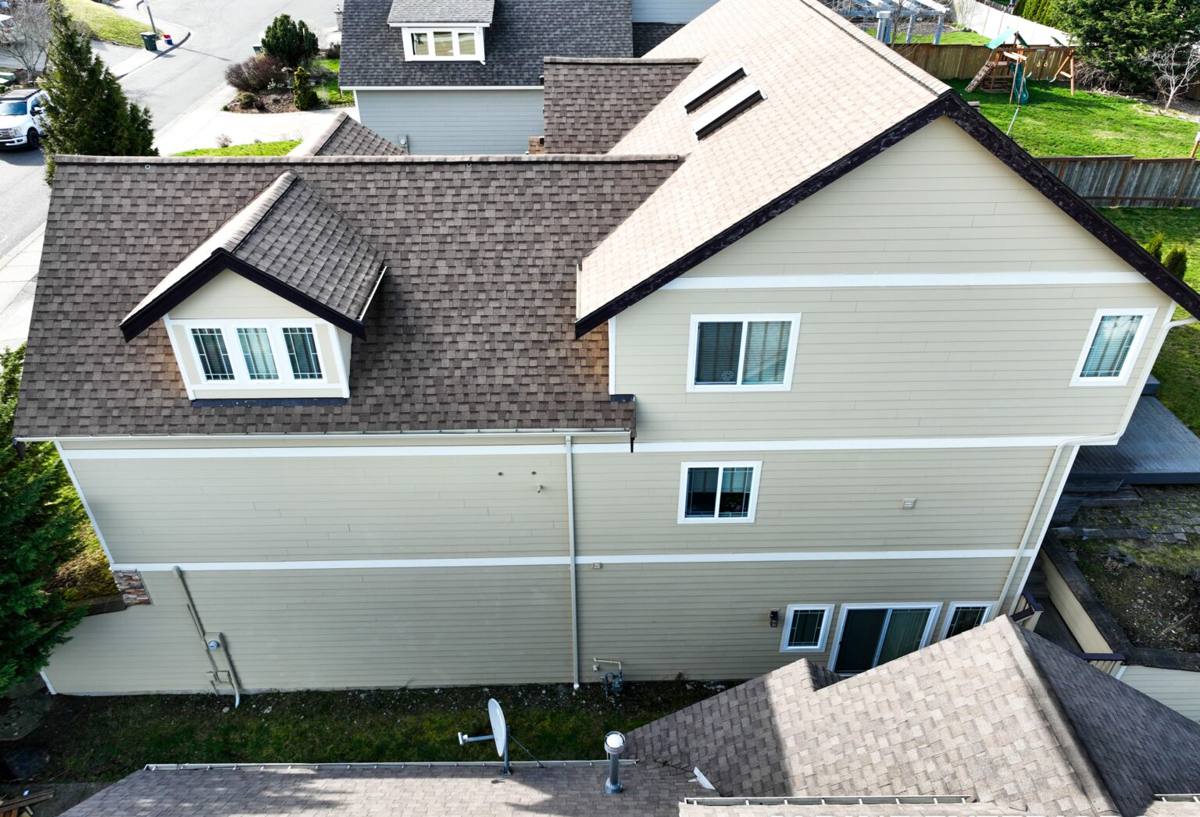
Signs a Repair Won't Cut It Anymore
Not every roofing issue means a full replacement, but there's a point where patching becomes more expensive and less reliable than starting fresh. Homeowners in the Sumas area should treat a new roof as the right call when they see:
- Granule loss heavy enough to show bare, shiny patches on shingles
- Multiple layers of moss regrowth even after cleaning, especially on north-facing slopes
- Soft or spongy spots when walked on, which usually means the decking underneath is compromised
- Daylight visible through the attic roof boards, or consistent damp smells in upper rooms
- Curling, cracking, or missing shingles across more than one section of the roof
- A roof that's already had two or more repair visits in the last few years for different leaks
If a roof is past the point of spot repair, a full replacement is almost always the more cost-effective path — repeated patch jobs on an aging roof tend to cost more over time than one correctly done installation.
What a Correct New Roof Installation Actually Involves
It Starts Below the Surface
The visible roofing material — shingles, metal panels, whatever you choose — is the last thing that goes on, not the first thing that matters. A correct installation for this climate starts with sound decking. Any water-damaged or rotted plywood or boards get replaced before anything new goes down, because installing new roofing over compromised decking just hides a problem that will resurface.
Underlayment and Moisture Protection
Given how much rain this region sees, underlayment isn't a formality. A synthetic or ice-and-water shield underlayment, installed correctly at seams, valleys, and eaves, is what keeps wind-driven rain from working its way underneath the surface layer during the kind of sideways storms this area gets a few times a year.
Ventilation
Attic ventilation is one of the most overlooked parts of a roofing job, and one of the most important in a damp climate. Without proper intake and exhaust airflow, moisture gets trapped in the attic space, which shortens the life of the decking and the roofing material from the inside out — even if the outer surface is brand new.
Flashing and Detail Work
Most roof leaks don't start in the open field of the roof — they start at the details: chimneys, vent pipes, skylights, and roof-to-wall transitions. Correctly installed flashing at every one of these points is what separates a roof that holds up through Whatcom County winters from one that starts leaking within a season or two.
Choosing the Right Material for a Sumas Home
There's no single "best" roofing material for every home — it depends on the house, the budget, and how much long-term maintenance an owner wants to take on. Here's how the common options compare for this climate:
| Material | Moss & Moisture Resistance | Typical Lifespan | Maintenance Needs |
|---|---|---|---|
| Architectural Asphalt Shingle | Good, especially with algae-resistant granules | 25–30 years | Periodic moss removal, gutter checks |
| Standing Seam Metal | Excellent — sheds moisture, little for moss to grip | 40–50+ years | Low; occasional inspection |
| Composite/Synthetic Shingle | Very good, resists rot by design | 30–50 years | Low to moderate |
| Wood Shake | Poor without diligent upkeep | 20–30 years with heavy maintenance | High — frequent treatment and cleaning |
We generally steer homeowners away from untreated wood shake in this specific climate. It's not that the material is inherently bad — it's that it demands a level of ongoing maintenance, treatment, and moisture management that most homeowners don't want to keep up with year after year in a region this wet. Asphalt and metal both hold up with far less intervention, which is why they make up the bulk of what we install locally.
How Our Installation Process Works
- On-site inspection. We walk the roof and the attic, not just look from the driveway, to check decking condition, ventilation, and existing damage.
- Honest scope and estimate. You get a clear breakdown of what needs replacing versus what's optional, with material options at different price points.
- Tear-off and decking check. Old material comes off, decking gets inspected board by board, and anything soft or rotted is replaced before moving forward.
- Underlayment and flashing installation. This is where most of the long-term leak protection actually happens, and where we don't cut corners.
- Roofing material installation. Installed to manufacturer spec and matched to local wind and rain exposure, not just the minimum code requirement.
- Ventilation check and adjustment. We confirm intake and exhaust airflow is balanced before calling the job finished.
- Final walkthrough and cleanup. Full site cleanup including magnetic sweep for nails, and a walkthrough so you know exactly what was done.
Why It Matters to Hire a Crew That Already Works in This Area
Roofing crews that mostly work drier inland climates, or who install the same spec everywhere they go, often underestimate what Whatcom County weather actually does to a roof over time. A crew that regularly works Sumas and the greater Ferndale area already knows which slopes hold moss longest, which older homes tend to have ventilation problems, and how much of a margin to build in for driving rain during winter storms. That local pattern recognition shows up in fewer callbacks and roofs that actually perform the way they're supposed to for their full rated lifespan.
It also matters for permitting and code compliance — local building requirements and wind/snow load considerations for this part of Washington aren't identical to a statewide generic standard, and a crew that pulls permits here regularly knows the process rather than learning it on your job.
What Affects the Cost of a New Roof
Every roof is different, so we don't publish flat pricing — but these are the main factors that move the number up or down on most Sumas-area jobs:
| Factor | Why It Matters |
|---|---|
| Roof size and pitch | Steeper, larger roofs take more material and more labor time |
| Decking condition | Rotted or soft decking sections need replacement before new roofing goes on |
| Material choice | Asphalt, metal, and composite carry different material and labor costs |
| Number of penetrations | Chimneys, skylights, and vents each require additional flashing work |
| Layers of existing roofing | Multiple old layers mean more tear-off time and disposal |
| Accessibility | Tree cover, steep grading, or tight lot access can affect labor time |
We walk through these factors on-site so you understand what's driving your specific number, not just a bottom-line total.
Protecting Your New Roof After Installation
A correctly installed roof still needs basic upkeep to hit its full lifespan in this climate. A few habits go a long way:
- Clean moss off at least once a year, more often on shaded north-facing slopes
- Keep gutters clear so water isn't backing up under the roof edge
- Trim back overhanging branches to reduce shade and debris buildup
- Have the roof visually inspected after major windstorms
- Address small leaks or lifted shingles immediately rather than waiting for the next dry stretch
None of this requires a specialist visit every month — it's basic seasonal maintenance that protects the investment you've already made.
Get a Straight Answer on What Your Roof Needs
If you're not sure whether your Sumas-area home needs a repair or a full replacement, we're happy to take a look and give you an honest read — no pressure, no inflated scope. Use the form below to request a free estimate and we'll walk you through exactly what we find and what it would take to get it done right.