 Ferndale Siding
 Fiber Cement Siding Built for the Nooksack Climate
Nooksack sits in a part of Whatcom County where houses take a slow, steady beating from weather rather than one dramatic event. There isn't a single storm that wrecks siding here — it's the cumulative effect of marine-influenced air moving up the river valleys, months of driving rain each winter, and long stretches of gray, shaded weather that never quite let a wall dry out. Add in the moss and algae that thrive in that dampness, and you have a climate that is genuinely hard on exterior materials, even ones that look fine for the first few years.
We install fiber cement siding in this area specifically because it holds up to that combination of moisture, salt-tinged air, and moss pressure better than the alternatives. This page covers what a fiber cement job for a Nooksack home actually needs to include — not the marketing version, the real one.
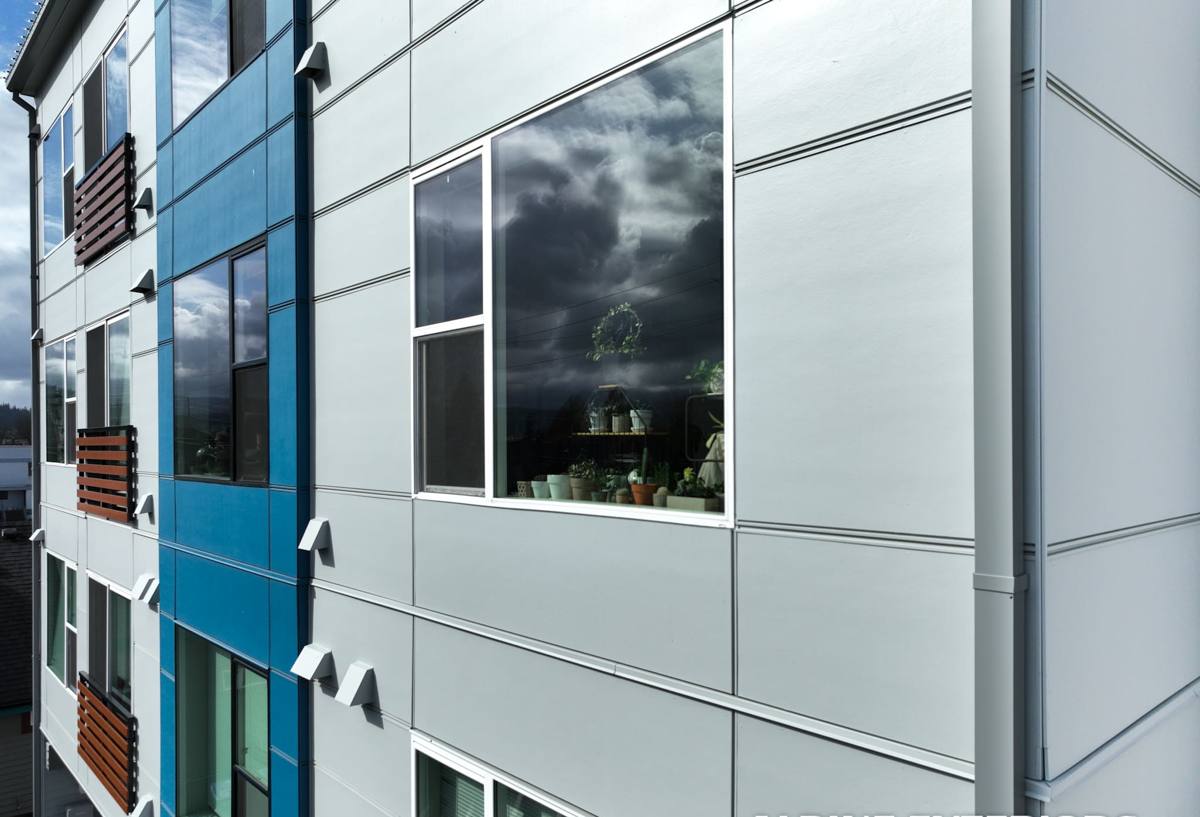
What Local Homes Actually Need From Their Siding
Moisture management, not just moisture resistance
A lot of siding failure in this region isn't the siding material rotting outright — it's water getting behind the siding through poor flashing, caulked-instead-of-flashed joints, or house wrap that was installed as an afterthought. Nooksack's rain isn't just heavy at times, it's frequent and wind-driven enough to push moisture sideways into seams and laps that a drier climate would never test. Any siding product, fiber cement included, will eventually fail if the water management behind it is wrong.
Standing up to moss and algae, not just shrugging them off
The same shade and dampness that make Whatcom County green make north-facing walls and anything near trees or fences a target for moss and algae growth. Porous or wood-based siding gives those organisms something to root into over time. A factory-cured fiber cement panel with a durable finish gives them far less to hold onto, which matters more here than in drier parts of the state.
Tolerating salt-influenced air without corroding fasteners or finishes
Homes closer to the Salish Sea's influence deal with air that carries more salt and moisture than fully inland areas. That combination accelerates corrosion in cheap fasteners and trim, and it breaks down paint film faster than a dry climate would. Material choice and fastener choice both need to account for that, not just the siding panel itself.
Why We Install James Hardie Fiber Cement — Not Alternatives
We only install James Hardie fiber cement siding. We don't install vinyl, LP SmartSide, Cemplank, Allura, or bare cedar and primed spruce, and we think homeowners deserve an honest reason why, not just a brand preference.
- Vinyl is affordable and low-maintenance in mild climates, but it can warp under temperature swings, its seams give wind-driven rain more chances to find a way behind the wall, and it doesn't offer the same fire performance as fiber cement.
- LP SmartSide and other engineered wood products perform reasonably when perfectly maintained, but they're wood-based at the core, which means cut edges, fastener holes, and any breach in the factory coating are entry points for the exact moisture and rot pressure this climate specializes in.
- Bare cedar or primed spruce can look beautiful, but they demand a maintenance schedule — recoating, caulking, spot repairs — that most homeowners underestimate, and moss finds real purchase in wood grain.
- Other fiber cement brands (Cemplank, Allura) are legitimate products, but we've standardized our crews, flashing details, and warranty process around one manufacturer so every job gets built the same correct way, every time.
James Hardie is non-combustible, engineered specifically for Pacific Northwest moisture with its HZ5 product line, finished at the factory with ColorPlus technology so the color cures under controlled conditions rather than curing on your wall, and backed by a strong transferable warranty when installed to Hardie's specification. That last part — installed to spec — is where most of the real-world performance difference actually comes from.
What a Correct Fiber Cement Installation Involves
Fiber cement is only as good as the details underneath it. A rushed or underspecified install can fail in this climate faster than people expect, warranty or not. A correct job includes:
- A weather-resistive barrier installed continuously, lapped correctly at every seam, with no gaps around windows or penetrations
- Properly flashed windows, doors, and any roof-to-wall intersections — not caulk used as a substitute for flashing
- Manufacturer-specified clearances from grade, roofing, and decks so siding doesn't sit in standing moisture
- Correct fastener type, spacing, and penetration depth — under- or over-driven fasteners are a common cause of early panel damage
- Proper joint treatment at butt seams and corners, sealed with the right products, not generic caulk
- Painted or factory-finished cut edges, since exposed raw edges are the most moisture-vulnerable part of any fiber cement panel
- Ventilation behind the cladding where the wall assembly calls for it, so incidental moisture can dry out instead of getting trapped
None of this is visible once the job is finished, which is exactly why it's worth asking a contractor to explain their process before they start.
Our Process for a Nooksack-Area Fiber Cement Job
1. On-site assessment
We look at the existing siding and sheathing condition, the wall's exposure to prevailing wind and rain, moss and staining patterns, and any trouble spots around windows, roof lines, or grade — the same details we'd want inspected before spending money on our own home.
2. Removal and substrate check
Old siding comes off and we check the sheathing underneath for hidden rot or moisture damage. This step catches problems that a surface-level look never would, and it's why re-siding a home is a better time than any other to fix a moisture problem for good.
3. Water management first
House wrap and flashing go in before a single piece of Hardie touches the wall. This is the step that determines how the siding performs in year eight, not year one.
4. Installation to manufacturer spec
Panels, fasteners, joints, and clearances follow James Hardie's published installation requirements, which is also what keeps the manufacturer's warranty intact.
5. Finish work and cleanup
Trim, caulking at appropriate transitions, touch-up paint on any field-cut edges, and a full site cleanup — nails, offcuts, and packaging don't get left behind.
Comparing Siding Options for This Climate
| Factor | James Hardie Fiber Cement | Vinyl | Engineered Wood (LP SmartSide) | Bare Cedar / Primed Spruce |
|---|---|---|---|---|
| Moisture resistance | Strong, non-wood core | Good, but seams are vulnerable | Moderate, wood-based core | Weak without diligent upkeep |
| Moss/algae resistance | Strong with factory finish | Moderate | Moderate | Weak, wood grain holds growth |
| Fire performance | Non-combustible | Combustible | Combustible | Combustible |
| Maintenance | Low with ColorPlus finish | Low, but limited repair options | Moderate to high | High — recoat/reseal regularly |
| Typical lifespan when correctly installed | Multiple decades | Decades, but can warp/fade | 15-30 years with upkeep | Highly dependent on maintenance |
Why Hiring a Crew That Already Works This Area Matters
A contractor who regularly works in and around Nooksack and the rest of Whatcom County already knows how the local rain patterns hit different wall exposures, which details tend to fail first in this climate, and how to sequence a project around the wet season instead of fighting it. That local pattern-recognition is hard to replace with a generic installation crew working from a national playbook, especially when it comes to catching a moisture problem before it becomes a rot problem.
It also matters for accountability. A local crew has a reputation in the community to protect and is easy to reach if a question comes up after the job is done — not a call center or an out-of-state office.
Caring for Fiber Cement Siding in a Wet, Mossy Climate
- Rinse siding periodically to keep moss, algae, and organic buildup from taking hold, especially on shaded or north-facing walls
- Keep gutters clear so overflow doesn't run down the siding face repeatedly
- Trim back vegetation and shrubs so walls get airflow and sunlight to dry out between rain events
- Inspect caulking at trim and joints every year or two and re-seal where it's cracked or pulled away
- Address any impact damage or chipped finish promptly so the substrate underneath doesn't get exposed
Fiber cement is genuinely low-maintenance compared to wood, but "low-maintenance" isn't the same as "no maintenance" — a little attention keeps it performing for the long haul in a climate that doesn't give siding many breaks.
Signs Your Current Siding May Be Struggling
- Persistent moss or dark staining that comes back soon after cleaning
- Soft or spongy spots when pressed, especially near the bottom courses or around windows
- Visible gaps, warping, or separation at seams and corners
- Paint that's peeling or bubbling rather than just fading
- Musty smells or interior moisture signs on exterior-facing walls
Any of these are worth a closer look before they turn into sheathing or framing repairs, which cost considerably more than siding replacement alone.
If you're weighing options for your Nooksack-area home, we're happy to take a look and give you a straightforward, no-pressure estimate — what your walls actually need, what a correct James Hardie installation would involve, and a real cost range, no guesswork required. There's a form below to get started.