 Ferndale Siding
 Windows in Nooksack Take a Different Kind of Beating
Nooksack sits inland from the coast but still feels the same weather pattern that grinds down homes all across Whatcom County: long stretches of driving rain off the Pacific, salt-laden air pushed in from Bellingham Bay and the Strait, and a moss season that can run eight or nine months out of the year. Windows are one of the first places that shows up. Wood sills gray and soften. Aluminum frames pit and streak. Vinyl frames that were installed with sloppy flashing let water track behind the trim, and by the time you see a stain on the interior sill, the sheathing behind it has usually been wet for a while.
None of this means Nooksack homeowners need to replace windows more often than anyone else. It means the replacement has to be done correctly the first time, with materials and flashing details matched to this specific climate, not a generic install pulled from a manual written for a drier region.
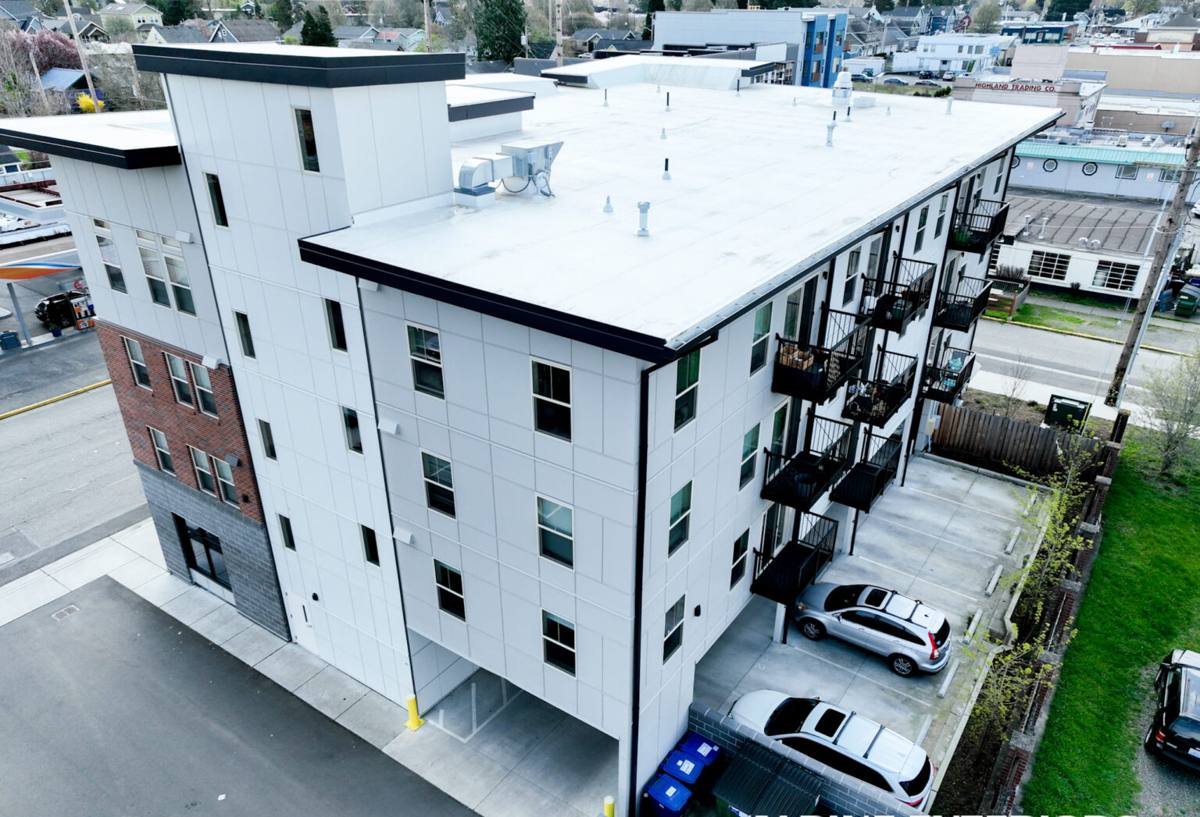
Signs a Nooksack Home Is Due for Window Replacement
Most homeowners call us after noticing one or two of these, not because they've done a full inspection. Worth checking your own windows against this list before winter storms arrive:
- Fogging or a permanent haze between panes — the seal has failed and the argon or air gap is gone
- Soft or spongy wood at the sill or lower corners of the frame
- Drafts you can feel with a hand near the frame on a windy day
- Paint or finish that keeps failing in the same spot no matter how often it's redone
- Visible gaps between the frame and siding, or caulk that's cracked and pulling away
- Windows that are hard to open, close, or lock — frames can swell and warp from repeated wetting
- A noticeable jump in heating costs with no other explanation
- Moss or dark streaking building up on the sill or lower sash faster than the rest of the exterior
Any one of these can be a minor fix. Several together, especially on a home that's 15-25 years old, usually means the windows themselves have reached the end of their service life.
What a Correct Window Replacement Actually Involves
Swapping a window sounds simple — old one out, new one in — but the part that determines whether it lasts 20 years or fails in five happens in the details most homeowners never see.
Flashing and Water Management
Every window opening needs a flashing system that sheds water down and out, never up and in. That means sill pan flashing under the window, weather-resistant barrier integrated with the flashing in the correct shingle-lap order, and a drainage path so any water that does get behind the trim has somewhere to go besides your wall cavity. This is the single biggest factor in whether a window install survives Whatcom County rain, and it's also the step that gets skipped most often by crews trying to move fast.
Air Sealing and Insulation
The gap between the new window frame and the rough opening needs to be filled with a proper low-expansion foam or backer rod and sealant — not just caulked on the surface. A visible bead of caulk around the trim can look finished while the gap behind it is still letting air and moisture through.
Fit and Structural Support
The rough opening has to be square, level, and properly shimmed so the window operates smoothly and the frame isn't under stress. A window forced into an out-of-square opening will bind, leak, or crack a seal within a few years even if it was a good window to start with.
Trim and Finish Work
Exterior trim needs to be back-primed and sealed on all sides before installation, especially on cuts, since a bare cut end is where wood rot almost always starts. This is a small step that takes a few extra minutes and gets skipped constantly.
Choosing the Right Window Material for This Climate
There's no single "best" window material — the right choice depends on budget, maintenance tolerance, and how exposed the wall is to weather. Here's how the common options actually perform in a Whatcom County setting:
| Material | Moisture Performance | Maintenance | Notes for This Area |
|---|---|---|---|
| Vinyl | Good — won't rot, resists moisture well | Low | Most popular choice locally; quality varies a lot between manufacturers, so frame and seal quality matter more than the material itself |
| Fiberglass | Very good — dimensionally stable in wet/dry cycles | Low | Handles temperature swings and moisture with less expansion/contraction than vinyl; higher upfront cost |
| Wood (clad exterior) | Depends entirely on cladding and install quality | Moderate to high | Interior warmth is appealing, but any gap in the exterior cladding invites the rot Nooksack winters are good at finding |
| Aluminum | Poor thermal performance, prone to condensation | Moderate | We generally steer homeowners away from bare aluminum replacements here — condensation and heat loss are a persistent problem in our climate |
For most Nooksack homes we recommend vinyl or fiberglass with a proven seal and hardware track record. Where a homeowner wants the look of wood, a well-clad wood window can work, but it raises the stakes on installation quality since any flaw in the cladding seam becomes a moisture entry point that's harder to catch early.
Our Window Replacement Process
- On-site assessment. We look at every opening individually — sun exposure, wall orientation relative to prevailing wind and rain, and the condition of the existing sheathing, not just the window itself.
- Product selection. We walk through frame material, glass package, and hardware options based on your budget and how exposed each wall is.
- Removal and opening inspection. Once the old window is out, we check the rough opening and sheathing for hidden rot or water damage before anything new goes in. This is often where problems that caused the original failure get found.
- Sill pan and flashing install. Proper water management goes in before the window does, not after.
- Window set, shim, and fasten. Leveled, squared, and secured per manufacturer spec.
- Air seal and insulate. Gap filled correctly around the full perimeter.
- Exterior trim and finish. Back-primed, sealed, and finished to match the home.
- Final walkthrough. We test operation, check the seal, and review it with you before we consider the job done.
What Affects the Cost
Every home is different, but these are the main factors that move the price of a window replacement project up or down:
| Factor | Why It Matters |
|---|---|
| Number of windows and sizes | Larger openings and specialty shapes (bay, arched) take more time and material |
| Frame material chosen | Vinyl, fiberglass, and clad wood carry different material costs |
| Condition of the rough opening | Hidden rot found during removal adds repair scope before the new window can go in |
| Full-frame vs. insert replacement | Full-frame replaces down to the studs and gets fresh flashing; inserts reuse the existing frame and are faster but only appropriate when that frame is still sound |
| Glass package | Double vs. triple pane, low-E coatings, and gas fill options change both cost and performance |
| Access and site conditions | Second-story or hard-to-reach windows take more labor time |
We give real numbers after seeing the actual openings — broad estimates over the phone tend to be wrong in one direction or the other once we're standing in front of the wall.
Why a Crew That Already Works Nooksack Matters
A window install that's correct in Arizona can fail in three years out here. Crews who work Whatcom County regularly know which details actually matter for our rain load and humidity — sill pan flashing, weather-resistant barrier integration, and back-priming trim aren't optional extras here, they're the difference between a window that lasts two decades and one that needs attention again in five years. We also know what to look for when we open up a wall in Nooksack or Ferndale: where moisture tends to collect on a north-facing wall, how moss and organic buildup accelerate wood decay near grade, and how salt-influenced air affects hardware and finishes over time compared to a drier inland climate.
After the Install: Keeping Windows Performing
New windows still need a little attention to get their full lifespan out of them in this climate:
- Rinse pollen, salt residue, and grime off frames and glass a couple times a year
- Keep weep holes on vinyl and fiberglass frames clear of debris so water can drain properly
- Check exterior caulk lines annually and touch up before a small gap becomes a leak path
- Remove moss or organic buildup from sills promptly rather than letting it sit against the frame
- Operate hardware periodically through the winter so tracks and locks don't seize from disuse
If your windows are showing any of the signs above, or you're planning ahead for a remodel, we're happy to take a look and give you a straightforward, no-pressure estimate — just fill out the form below and we'll get in touch.