 Ferndale Siding
 Windows Built for Where Sandy Point Sits
Sandy Point is a different kind of place to own a window. Sitting out on the water northwest of Ferndale, homes here take a steadier, harder dose of weather than most houses even a few miles inland in Whatcom County. Salt-laden air moves through window hardware and seals every day, not just during storms. Wind off the water pushes rain sideways into siding and trim. And the shaded, damp stretches of the property — north sides, covered porches, tree-lined lots — grow moss and hold moisture longer than the sun-exposed sides ever dry it out. None of that is exotic knowledge to anyone who's lived out there a few winters. It's just the trade-off for the view.
What it means for windows is simple: products and installation details that work fine on a standard subdivision lot in town can fall short at Sandy Point. We treat window replacement out there as a coastal job, not a generic one, and that shows up in the materials we recommend and the way we flash and seal each opening.
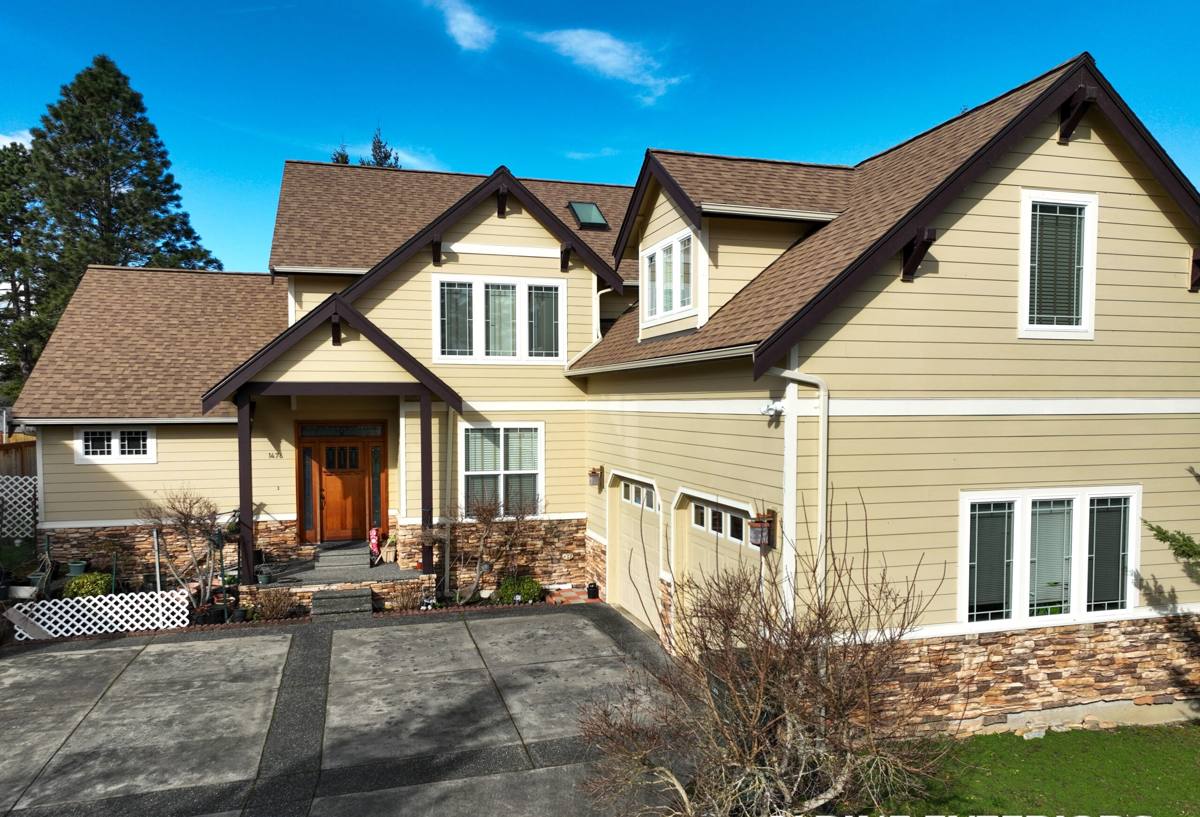
What the Climate Actually Does to a Window
It helps to know what's actually working against a window at Sandy Point, because it explains why some of our recommendations differ from a standard in-town job.
Salt air and corrosion
Salt in the air settles on metal window hardware — hinges, locks, balance mechanisms, and screen frames — and speeds up corrosion compared to a home further from the water. Cheaper hardware finishes pit and stick within a few years. This is one of the biggest reasons we steer Sandy Point clients toward hardware rated for coastal or marine exposure rather than a builder-grade default.
Driving rain and wind pressure
Wind off the strait doesn't just blow rain against the glass — it drives it up and under trim, into joints, and against seals that would otherwise stay dry in a normal rain. Windows facing the water need flashing and sealant details that assume wind-driven rain is normal, not an occasional event.
Moss, shade, and standing moisture
Whatcom County's long wet season already grows moss aggressively; shaded and low-airflow spots on a Sandy Point lot make it worse. Moss and algae on sills and trim hold water against wood and painted surfaces far longer than a dry, sun-exposed wall would, which accelerates rot around window openings that aren't properly sealed and flashed.
Temperature swings and seal fatigue
Waterfront exposure means bigger daily swings between cold, damp mornings and whatever sun the day offers. That constant expansion and contraction is hard on old glazing seals, and it's usually why a homeowner starts noticing fog between panes years before the frame itself looks bad.
Signs It's Time to Replace, Not Repair
Not every window problem at Sandy Point means a full replacement. But a few signs usually mean repair is throwing money at a losing battle:
- Fog or moisture trapped between panes — the seal has failed and the insulating gas is gone
- Soft, spongy, or visibly rotted wood around the frame or sill
- Windows that won't stay open, won't latch, or have corroded locks and hardware
- Cold drafts you can feel near the frame even with the window fully closed
- Visible daylight or gaps between the sash and frame
- Paint that keeps failing or bubbling on the interior sill despite repainting
- Noticeably higher heating bills with no other explanation
If you're only seeing one or two of these on an otherwise sound window, a repair or reseal may buy you time. Once several show up together, or the frame material itself is failing, replacement is usually the more honest recommendation — and the one that actually solves the moisture problem instead of masking it.
What a Correct Sandy Point Window Installation Involves
The window unit itself is only part of the job. In a coastal exposure like this, how it's installed matters as much as what's installed. A correct job includes:
- Full removal and inspection of the old opening — checking the sheathing, sill, and framing for hidden rot before anything new goes in
- Proper flashing at the head, jambs, and sill, sequenced so water is always directed outward and downward, never trapped behind the siding
- A continuous weather-resistive barrier tied into the existing wall assembly, not just caulk over a gap
- Sealants rated for the exposure — not a generic caulk that hardens and cracks after a couple of wet-dry cycles
- Correct shimming and leveling so the sash operates properly and doesn't bind or sag over time
- Hardware and fasteners suited to salt air exposure, rather than standard interior-grade hardware
Skipping any of these doesn't usually show up as a problem on day one. It shows up two or three winters later as a soft sill, a leak inside a wall cavity, or a window that suddenly won't close right. That delayed failure is exactly why the installation details matter more here than they would on a sheltered lot in town.
Choosing the Right Frame Material
There's no single "best" window material for every home — it depends on exposure, budget, and how much upkeep you want to take on. For Sandy Point specifically, here's how the common options generally hold up:
| Frame Material | How It Handles Salt Air & Rain | Maintenance | Typical Trade-Off |
|---|---|---|---|
| Vinyl | Doesn't corrode or rot; handles moisture well | Low — occasional cleaning | Fewer color/finish options than wood or fiberglass |
| Fiberglass | Very stable in temperature swings; strong resistance to moisture and salt exposure | Low | Higher upfront cost than vinyl |
| Wood-clad | Good performance if the cladding and seals stay intact; interior wood adds warmth | Higher — cladding seams need periodic inspection | More sensitive to installation quality in this exposure |
| Aluminum | Prone to corrosion and condensation in salt air unless it's a marine-rated product | Moderate to high | Generally our least-recommended option for direct waterfront exposure |
For most Sandy Point homes we're recommending vinyl or fiberglass, specifically because they don't give salt air and moisture a foothold the way untreated metal or poorly sealed wood can. Where a homeowner wants the look of wood, we'll talk honestly about the added maintenance commitment that comes with it in this exposure rather than talk them out of what they want.
How We Handle a Sandy Point Job From Start to Finish
The process looks the same in structure whether it's one window or a whole house, just different in scale:
- On-site assessment — we look at every opening being replaced, check for hidden moisture or rot, and measure for accurate, custom-fit units rather than assuming standard sizes
- Product selection — we walk through frame material, glass package, and hardware options suited to your exposure on the property, not a one-size answer for the whole neighborhood
- Written estimate — clear on scope, materials, and price before any work starts
- Removal and prep — old units come out, framing and sheathing get inspected and repaired if needed before anything new goes in
- Installation — flashing, barrier, sealant, and hardware done in the sequence that actually keeps water out, not just what's fastest
- Final check and cleanup — every window opens, closes, and locks correctly, and the site is left clean
We don't add steps for the sake of it, and we don't skip the ones that matter for long-term performance in this exposure. If a window doesn't need replacing yet, we'll say so.
Why Local Experience in Sandy Point Matters
Sandy Point isn't a typical in-town lot, and a crew that's only ever worked sheltered neighborhoods will sometimes miss details that matter here — under-flashing a sill because "that's how we always do it," or specifying hardware that looks fine in the showroom but corrodes within a couple seasons of salt exposure.
A lot of Sandy Point properties are also part of a private community with its own access arrangements and site expectations, which can affect scheduling, parking, and material staging on a job. A crew that's already worked in the area knows to plan around that up front instead of discovering it on installation day. We're a Ferndale-based crew, so Sandy Point isn't a special trip for us — it's part of the area we already work in regularly.
None of this is about cutting corners elsewhere and being careful only here. It's that the consequences of a mediocre install show up faster and worse on a waterfront lot than they do a few miles inland, so getting the details right the first time matters more.
Cost Factors to Expect
We won't quote a number without seeing the job, but these are the main things that move the price up or down on a Sandy Point window replacement:
| Factor | Why It Matters |
|---|---|
| Number and size of windows | More openings and larger units mean more material and labor |
| Frame material chosen | Vinyl is typically the most budget-friendly; fiberglass and wood-clad cost more upfront |
| Condition of existing framing | Hidden rot or moisture damage found during removal adds repair scope |
| Glass package | Double-pane vs. upgraded glazing options changes both cost and long-term energy performance |
| Access and site conditions | Waterfront lots, community access rules, or difficult staging can affect scheduling and labor time |
| Trim and finish work | Matching or replacing exterior trim around new units adds to the scope |
Broadly, homeowners should expect coastal-grade materials and correct flashing details to cost somewhat more than a bare-minimum in-town job — that difference is what buys the extra corrosion resistance and water management this exposure actually needs.
After Installation: Keeping Windows Performing
A correctly installed window at Sandy Point still needs a little upkeep to get its full lifespan out of the salt air and rain exposure. A simple seasonal routine goes a long way:
- Rinse salt residue off frames and glass periodically, especially after storms
- Check and clear weep holes so water can drain out of the frame properly
- Inspect exterior caulk and sealant lines once a year for cracking or gaps
- Keep moss and algae wiped off sills and trim before it builds up and holds moisture
- Lubricate hardware periodically if it starts feeling stiff or sticky
- Trim back vegetation that keeps a window shaded and damp longer than necessary
None of this is complicated, but skipping it is how a well-installed window still ends up needing early attention in this climate.
Get a Straight Answer for Your Windows
If you're not sure whether your Sandy Point windows need a full replacement or just some attention, we're glad to come take a look and give you a straight answer either way. Reach out for a free, no-pressure estimate using the form below.