 Ferndale Siding
 Deck Replacement for Lummi Nation Homes
Lummi Nation sits out on the peninsula west of Ferndale, close enough to open water that its homes take on a heavier version of the weather the rest of Whatcom County deals with. Salt air, driving rain, and a long moss season all take their toll on an exterior deck faster here than on a similar deck built a few miles inland. We replace decks in this area regularly, and the way we approach the work reflects what that exposure actually does to lumber, fasteners, and framing over time, not a generic process built for a calmer, drier site.
A deck replacement is more than swapping old boards for new ones. Done right, it means addressing the ledger board connection, the framing underneath, the footings, and the path water takes once it hits the deck surface, all before a single new board goes down. Skipping any of that on a property this exposed just means the new deck fails the same way the old one did, only sooner.
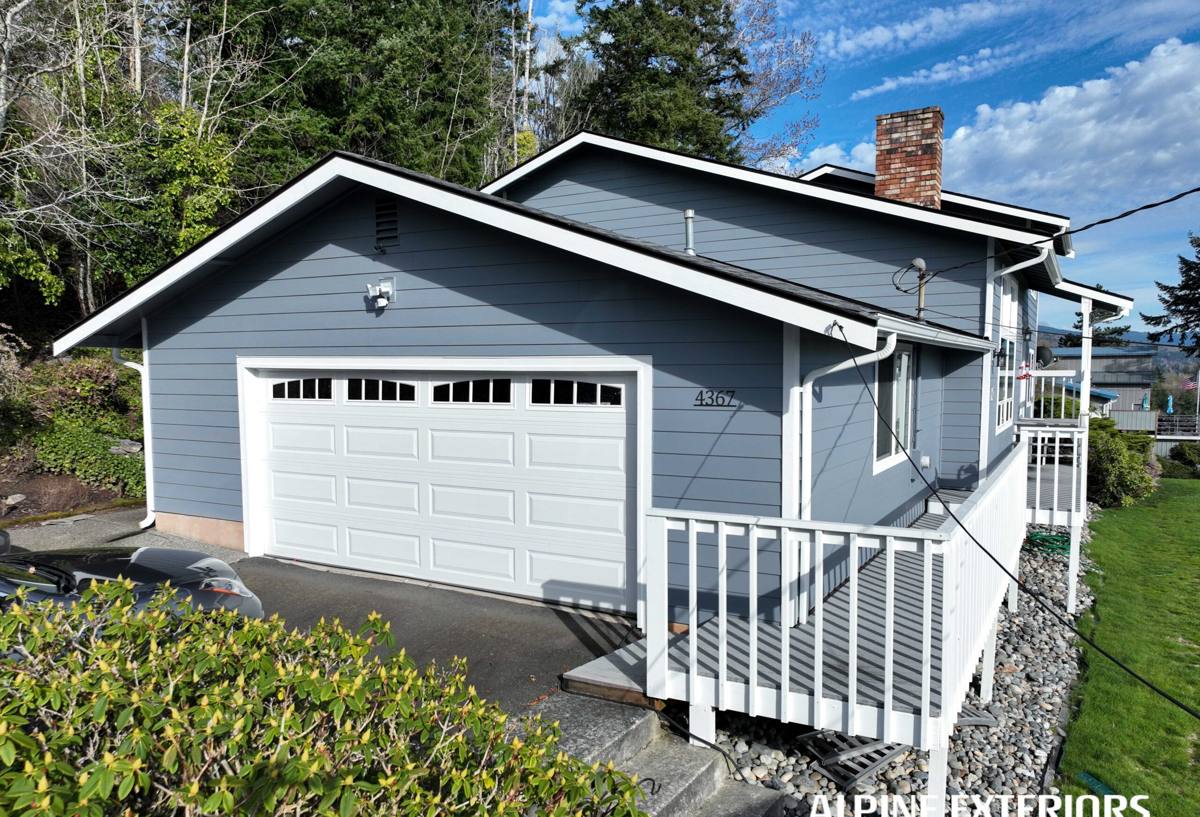
What Salt Air, Driving Rain, and Moss Do to a Deck Here
Salt Air and Fastener Corrosion
Homes near open water pick up salt-laden moisture in the air, and that moisture speeds up corrosion in anything metal on a deck: nails, screws, joist hangers, post bases, and railing hardware. Fasteners rated for typical exterior use can start rusting years ahead of schedule out here, and once a fastener weakens, it stops doing its job long before it looks broken from the surface. We spec corrosion-resistant hardware for Lummi Nation deck work for that reason, not as an upsell but because standard-grade hardware is a genuine liability this close to the water.
Wind-Driven Rain and the Ledger Board
Open water exposure means less windbreak, and less windbreak means rain arrives sideways more often than it falls straight down. That matters most at the ledger board, the framing member that bolts the deck to the house, because wind-driven rain gets pushed up and behind a deck surface in a way straight-down rain doesn't. A ledger that isn't flashed correctly becomes a direct path for water into the wall behind it, and that's one of the more common sources of hidden rot we find when we open up an older deck out here.
A Long Moss Season
Shaded framing, damp ground, and a moss season that runs longer here than in drier parts of the county all add up to more organic growth on and under a deck than most homeowners expect. Moss and algae on a deck surface aren't just cosmetic; they hold moisture against the wood, which is exactly the condition that leads to soft, rotting boards and joists underneath. It shows up first in shaded corners and under furniture that rarely gets moved, and it's usually worse underneath than it looks from the top.
Signs a Lummi Nation Deck Needs Replacing, Not Just Repair
Not every deck problem calls for a full tear-off, but on a property with this much sustained moisture exposure, it helps to know which signs point toward a real replacement conversation rather than a patch job.
- Soft, spongy, or spring-loaded boards, especially near the ledger or around post bases
- Visible rot, delamination, or crumbling wood at joist ends or underneath the deck surface
- Rusted, bent, or failing joist hangers, post bases, or ledger bolts
- Gaps, staining, or discoloration on the house wall directly above or around the ledger board
- A deck that feels bouncy, spongy, or shifts underfoot when walked on
- Railings or posts that wobble or show rot at the base
- Persistent moss or algae growth that returns quickly after cleaning
Any one of these on its own might just be a repair. Several together, especially anything involving the ledger board or the framing underneath, usually means the deck's structure has been compromised long enough that a repair would just be patching around a bigger problem.
Repair vs. Full Replacement
| Situation | Repair Usually Makes Sense | Replacement Usually Makes Sense |
|---|---|---|
| Surface boards | A few boards cracked, warped, or splintered, framing underneath still solid | Widespread board failure across most of the deck surface |
| Ledger board | Flashing issue caught early, wood behind it still sound | Soft or rotted ledger, or long-term water tracking behind the wall |
| Framing and joists | Isolated joist damage from a single, identified leak source | Widespread soft or rotted joists, especially near the house |
| Footings and posts | One or two settled or shifted posts | Undersized or failing footings across the structure |
| Age and history | Deck is relatively recent and was well-built to begin with | Deck is older, built to outdated code, or has a history of recurring problems |
We'll tell you honestly which category your deck falls into after a walk-through, including which parts of an older deck, if any, are worth keeping.
What Correct Deck Replacement Involves
Ledger Board and Flashing
This is the single most important connection on the deck, and it's the one most likely to have been done wrong on an older build. A correct ledger installation uses proper metal flashing that sheds water away from the house, not caulk alone, which fails over time and gives a false sense of security. On a property that takes this much wind-driven rain, getting this detail right is what keeps water out of the wall for the life of the deck rather than a few dry seasons.
Footings and Framing
Footings need to be sized and set below frost depth, and framing needs to match the actual loads the deck will carry, not just whatever was code-minimum when the original deck went in years ago. We check footing condition and depth as part of every replacement, since a new deck built on undersized or shifted footings just inherits the old deck's problems on a new set of boards.
Joist Protection and Fastening
A moisture barrier tape over the top of each joist keeps water from sitting directly on bare framing lumber, which matters more here given how long the ground and framing stay damp through the wet season. Corrosion-resistant fasteners and hangers throughout the structure, not just at the ledger, protect against the same salt exposure that degrades hardware elsewhere on the property.
Railings, Stairs, and Guards
Railings, guard height, baluster spacing, and stair geometry all need to meet current Washington building code, which isn't always what an older deck was built to. Replacement is a natural point to bring these details up to code, and it matters for safety as much as for any future sale of the home. We build railings and stairs to hold up to the same wind and moisture exposure as the deck itself, since hardware and connections here take the same beating as everything else outside.
Drainage and Grading
Where a deck sits low or close to grade, drainage underneath matters as much as drainage on top. Standing water or poor grading under a deck keeps posts and framing wet longer than they need to be, which shortens the life of even well-built framing regardless of what decking material sits on top of it.
Decking Material Options for This Climate
Material choice matters more here than in a drier inland location, because whatever goes down on top has to handle sustained moisture and a long moss season without becoming a maintenance burden the homeowner didn't sign up for.
Composite Decking
Composite decking doesn't absorb moisture into its core the way solid wood does, and it doesn't need staining or sealing to keep performing. For a Lummi Nation property, that's a real advantage: less maintenance and less risk of a homeowner falling behind on the upkeep a wood deck actually needs in this climate. The trade-off is a higher upfront material cost and a different look and feel than natural wood, which matters to some homeowners more than others.
Cedar and Other Wood Decking
Cedar has real appeal and a long track record, but it requires regular sealing or staining to keep performing, and that maintenance schedule is less forgiving in an area with this much sustained rain and moss pressure. Skipped maintenance shows up as graying, cupping, and eventually soft or rotting boards well before a well-maintained cedar deck would show its age. We'll install wood decking if that's what a homeowner wants, but we're upfront about the maintenance commitment it takes to make that choice pay off out here.
Pressure-Treated Lumber
Pressure-treated lumber is a common, budget-conscious choice, especially for framing and sometimes for the decking itself. It resists rot better than untreated wood, but it still needs a sealed finish and periodic maintenance to perform well long-term in a climate this wet, and lower-grade treated lumber can still warp, check, or cup over time if it's left unsealed.
Permits, Code, and Tribal Land Considerations
Most deck replacements of any real size trigger a building permit, and decks above a certain height above grade also trigger guardrail and stair requirements under Washington building code. Replacement is the right time to confirm your deck meets current code rather than assuming an older structure was ever compliant to begin with.
Building or remodeling on tribal land near Ferndale can also work differently depending on where the property sits relative to reservation boundaries, and the permitting process may not follow standard Whatcom County procedure. We're glad to talk through what we've seen on past projects in the area, but every homeowner should confirm current requirements for their specific property before work begins, since jurisdiction can vary parcel to parcel.
How Long a Deck Replacement Takes
Timeline depends on deck size, whether framing and footings need work in addition to the surface, and material availability, but weather is a real factor here too. A long moss season also tends to mean a long wet season, and driving rain off the water can shrink the practical work windows available compared to a more sheltered inland site. We plan around that rather than pretending it isn't a factor, which sometimes means a slightly longer calendar timeline in exchange for work that isn't rushed between rain systems.
Our Deck Replacement Process
- A walk-through of the existing deck, including a look underneath at framing, footings, and the ledger connection, not just the surface boards
- An honest assessment of what's salvageable and what isn't, explained in plain terms
- A written estimate covering material options, with no pressure toward the most expensive choice
- Removal of the old deck and inspection of the ledger area and wall behind it for hidden water damage
- Correct ledger flashing, footing work, and framing repairs before any decking material goes down
- Installation of the decking material, railings, and stairs to current code
- A final walk-through so you know exactly what was done and why
Why a Local Crew Matters for This Job
A crew that works Lummi Nation and the surrounding peninsula regularly has already seen how salt air, driving rain, and a long moss season affect decks here over a full year, not just how a product performs on a spec sheet. That experience shows up in small decisions on install day: extra attention to ledger flashing because that's where we've seen the most hidden damage locally, hardware chosen for salt exposure rather than a generic exterior rating, and framing details sized for wind and moisture conditions closer to open water than a typical inland Ferndale lot sees. A homeowner working with a crew that doesn't know this stretch of Whatcom County is relying on general-purpose decisions applied to a property that doesn't have general-purpose conditions.
Get an Honest Look at Your Deck
Whether your current deck is showing a few of the warning signs above or you already know it's time for a full replacement, we're glad to take a look and give you a straight answer about what your Lummi Nation home actually needs. Reach out using the form below to schedule a free, no-pressure estimate.