 Ferndale Siding
 Siding Installation Built for Sudden Valley's Conditions
Sudden Valley homes sit in one of the more demanding microclimates our crew works in across Whatcom County. Heavy tree cover, hillside lots, and proximity to water mean less direct sun, longer drying times after rain, and a moss and mildew season that runs longer than it does on open, exposed lots closer to town. Add in the driving rain and salt-laden marine air that move through this part of Washington off the Sound, and you have conditions that punish siding that isn't installed with real attention to water management.
This page is about one job, done right, in this one neighborhood: installing James Hardie fiber cement siding on a Sudden Valley home. Not a general overview of siding — the specific realities of doing this work on shaded, moisture-heavy lots, and what separates a correct installation from one that looks fine for a year or two and then starts showing problems.
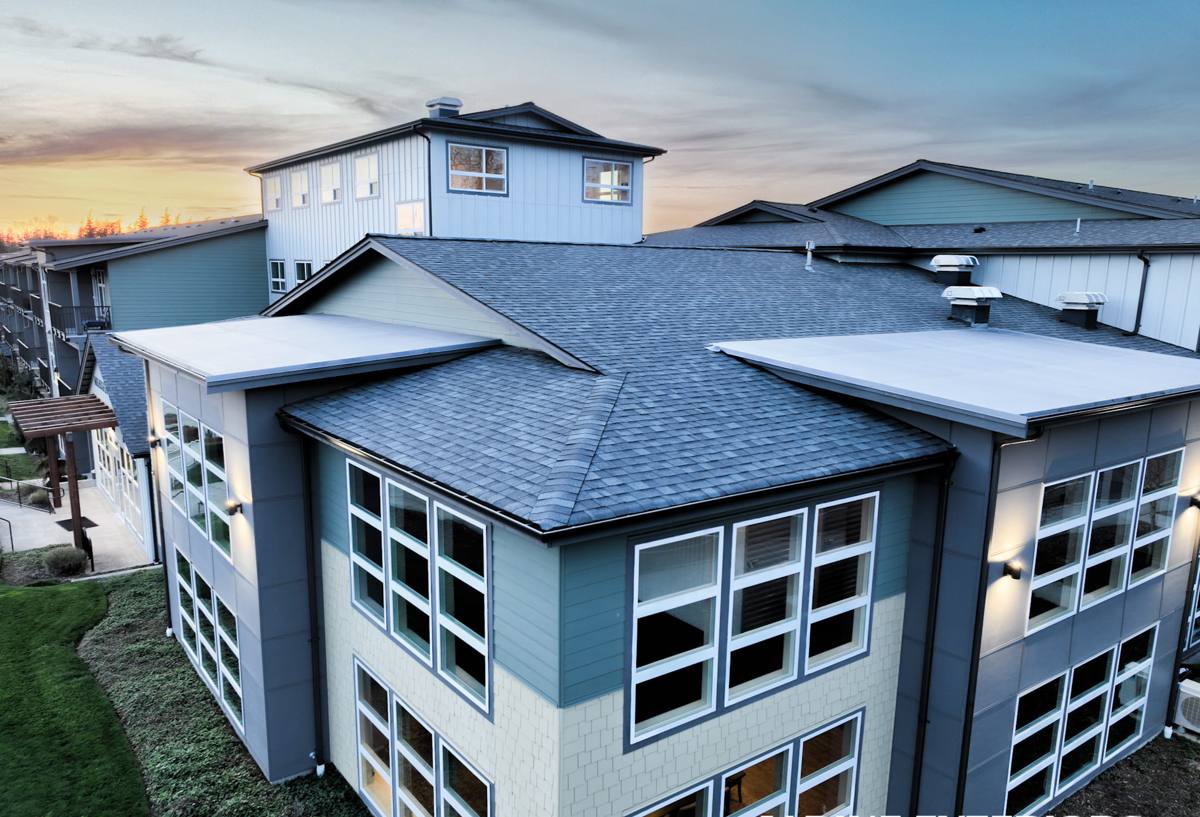
Why Shaded, Wooded Lots Are Harder on Siding
A siding installation on an open lot in full sun dries out fast after every rain. A siding installation under a canopy of Douglas fir or cedar doesn't get that benefit. Surfaces stay damp longer, algae and moss get a head start, and any water that gets behind the siding — through a bad seam, a missed flashing detail, or caulk used where flashing should have been — has more time to do damage before it evaporates.
This is exactly the kind of environment where material choice and installation quality matter more than they would elsewhere. Products that are more forgiving on a sunny, open lot can fail faster here, and shortcuts that would go unnoticed for years elsewhere show up sooner.
What We See on Older Sudden Valley Homes
- Green and black staining concentrated on north-facing and tree-shaded walls
- Soft or delaminating siding at ground level and near downspouts, where splash-back keeps material wet longest
- Caulk-dependent seams that have cracked open, letting moisture track behind the cladding
- Paint failure on wood-based or engineered wood siding well ahead of its rated life, from repeated wet-dry cycling in the shade
- Trim and corner boards that have swelled or rotted where water was never given a way to drain back out
How Different Siding Materials Hold Up Here
We only install James Hardie fiber cement, and the table below is part of why. It's not a knock on every homeowner's existing siding — it's an honest comparison of how common materials behave specifically in a shaded, moss-prone, high-moisture environment like Sudden Valley.
| Material | Moisture Behavior | Moss/Algae Resistance | Long-Term Maintenance |
|---|---|---|---|
| Vinyl siding | Doesn't absorb water itself, but seams and J-channels trap moisture against the wall assembly behind it | Moss and mildew still colonize the surface, especially in shade; panels can warp from heat cycling | Low upfront maintenance, but panels crack and fade over time and are difficult to color-match when repairing |
| LP SmartSide / engineered wood | Wood-strand core is vulnerable if the factory seal is breached at a cut edge, fastener, or failed seam | Prone to surface staining in constant shade; edge swelling is a known failure point in wet climates | Requires diligent caulk and paint upkeep to keep water out of exposed edges |
| Primed spruce / cedar (traditional wood) | Absorbs and releases moisture directly; performance depends heavily on paint maintenance discipline | Needs regular cleaning and repainting to resist moss and rot in shaded conditions | Highest ongoing maintenance of the group; repainting cycles are frequent in low-sun areas |
| James Hardie fiber cement | Non-combustible cement composite that doesn't rot, swell, or delaminate from moisture exposure | Factory ColorPlus finish resists moss staining far better than raw or field-painted surfaces; cleans up without stripping paint | Lowest ongoing maintenance; no repainting cycle required for the life of the ColorPlus finish |
Every one of these products has legitimate uses somewhere. What we've concluded, after years of installation and repair work in this specific climate, is that the trade-offs of vinyl, engineered wood, and traditional wood siding show up faster and cost more to manage on shaded, moisture-heavy lots than they do elsewhere. That's why we standardized on Hardie fiber cement and stopped installing the alternatives.
What a Correct Siding Installation Actually Involves
The siding itself is only part of the system. On a Sudden Valley home, the work that happens before a single plank goes up is what determines whether the siding performs for decades or starts failing in five years.
Water Management Comes First
- Weather-resistive barrier installed and lapped correctly, shingle-style, so water is directed out and down, never trapped
- Rainscreen gap behind the siding where conditions call for it, so any moisture that does get behind the cladding can drain and the wall can dry
- Flashing at every penetration — windows, doors, hose bibs, light fixtures, deck ledgers — installed as metal or membrane flashing, not caulk used as a substitute
- Proper clearance between the bottom of the siding and grade, decks, and roof lines, so splash-back and standing water don't sit against the material
- Correct fastening per Hardie's published specifications for our exposure zone, so panels aren't blown out by wind-driven rain and don't crack from over-driven nails
Then the Siding Itself
James Hardie's HZ product lines are engineered for different climate zones, and installing the correct HZ specification for our region is part of doing the job right — not an upsell. Panels, joints, and butt seams are installed to Hardie's spec for gapping and sealant, not tight-butted in a way that traps water at every seam.
Our Process for Sudden Valley Projects
- On-site assessment — we walk the property, check the existing wall assembly, note shade patterns, drainage issues, and any moisture damage already present
- Scope and product selection — plank profile, texture, and ColorPlus color selected based on the home's exposure and your preferences
- Removal and inspection — old siding comes off and the sheathing underneath gets inspected; any rot or damage is addressed before anything new goes on, not covered up
- Water barrier and flashing installation — the part of the job that doesn't show once it's done, and the part that matters most in this climate
- Hardie siding installation — installed to manufacturer specification for fastening, gapping, and clearances
- Trim, caulk, and touch-up — factory-finished ColorPlus product minimizes field painting, which also minimizes future maintenance
- Final walkthrough — we review the completed work with you before calling the job done
Living With Fiber Cement Siding in a Shaded, Mossy Environment
Even the right material benefits from a little homeowner attention, especially on a tree-covered lot. None of this is intensive — it's mostly about staying ahead of moisture and organic growth before it builds up.
- Rinse siding annually with a garden hose, focusing on shaded and north-facing walls where moss and algae take hold first
- Trim back branches and vegetation that keep siding in constant shade or hold moisture against the wall
- Keep gutters and downspouts clear so water is directed away from the foundation and lower siding courses
- Check caulk lines at trim and penetrations once a year and have any cracked sealant redone before winter rains set in
- Watch for soft spots or gaps at outside corners and butt joints, and have them looked at early rather than waiting
Because ColorPlus finish is baked on at the factory rather than field-applied, you're not on a repainting schedule the way you would be with wood or engineered wood siding — a real difference over a 20- or 30-year ownership horizon in a climate that's hard on paint.
Cost Factors Specific to Sudden Valley Projects
Every home is different, and we don't quote pricing without seeing the property, but the factors that move cost on a Sudden Valley job tend to be the same handful of things.
| Factor | Why It Matters |
|---|---|
| Existing wall condition | Rot or moisture damage found during removal adds sheathing repair before new siding can go on |
| Site access | Hillside lots, steep driveways, and tight tree-lined access can affect staging and equipment logistics |
| Home size and complexity | Roof lines, dormers, and wall penetrations all add labor beyond simple square footage |
| Product line and profile | HardiePlank, HardieShingle, and panel systems carry different material and labor costs |
| Water management upgrades | Adding or improving a rainscreen assembly on an older home is worth the cost here, but it's additional scope |
Why a Crew That Already Works This Area Matters
Siding installation isn't just a product — it's a set of judgment calls made on-site: how much clearance a particular wall needs, where an extra flashing detail is worth adding, how a shaded north wall should be treated differently than a sun-exposed south wall on the same house. A crew that has worked repeatedly in Sudden Valley and similar Whatcom County communities has already seen how these homes age in this specific climate, and builds that knowledge into every installation instead of treating every job identically.
We're a Ferndale-based crew, which means Sudden Valley isn't a stretch job for us — it's part of the territory we know, in the same regional climate of salt air, driving rain, and long moss seasons that shapes how we build every wall assembly we touch.
If your Sudden Valley home needs new siding or you're dealing with moisture, moss, or rot on what's there now, we're happy to take a look and walk you through what we'd recommend. Use the form below to request a free, no-pressure estimate.