 Ferndale Siding
 Siding Replacement for Semiahmoo: Built for the Coastline, Not Just the House
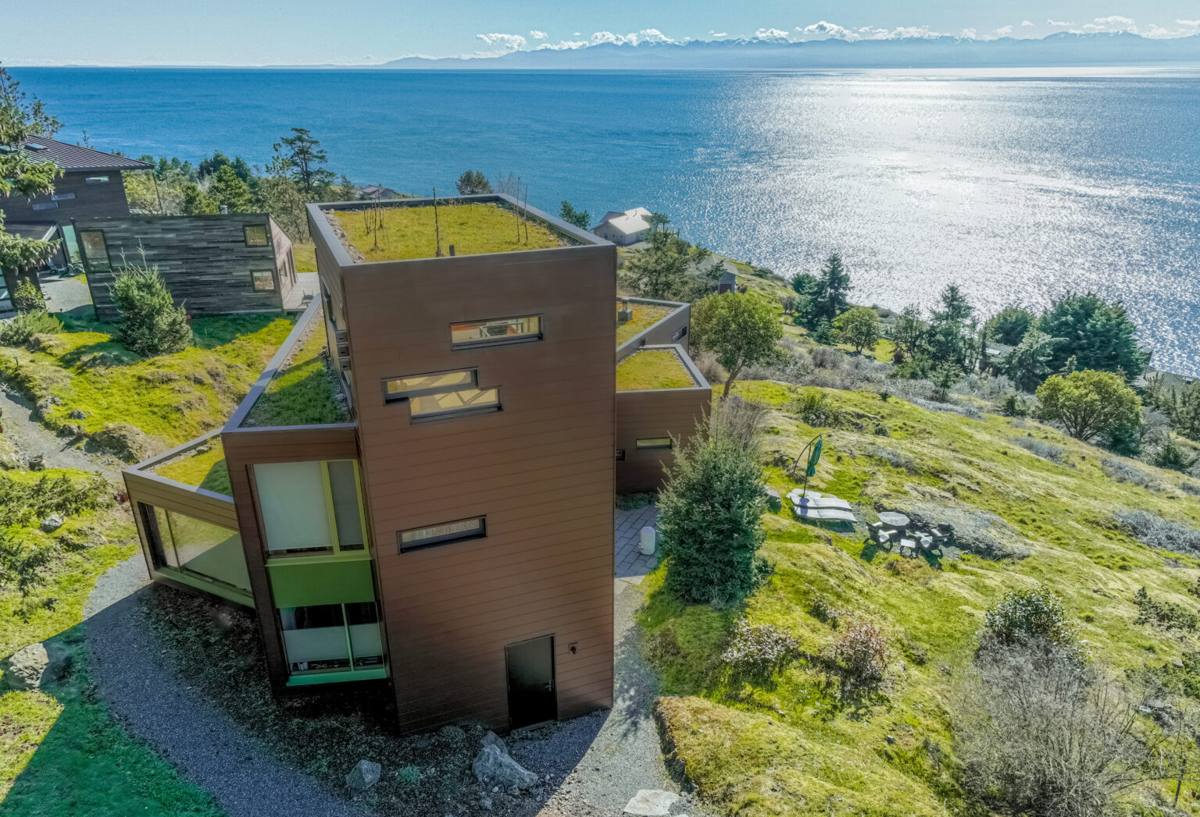
Homes in and around Semiahmoo sit closer to the water and the wind than most inland Whatcom County properties, and that changes what "good siding" actually means here. A siding job that holds up fine on a sheltered lot fifteen minutes inland can fail years early on a property that takes salt air, driving rain off the water, and a long, damp moss season every winter. Siding replacement in this area isn't just a cosmetic upgrade — it's a decision about what your exterior has to survive, year after year, in a coastal microclimate.
We're a Ferndale-based crew, and Semiahmoo is inside our regular service area. We're not driving in from out of the county to quote a one-off job and disappear if something needs a callback. We see how siding actually performs out here over time, on real homes, through real winters — and that shapes every recommendation we make.
Why Semiahmoo Siding Wears Out Faster Than Inland Homes
Salt Air
Airborne salt is corrosive to fasteners, trim hardware, and unprotected wood fiber, and it accelerates the breakdown of lower-grade paint films and coatings. Over years, homes closer to open water tend to show chalking, fading, and fastener staining well before comparable inland homes do, simply because the air itself is harder on exterior materials.
Driving, Wind-Driven Rain
Rain that falls straight down is a much smaller threat to a wall assembly than rain that gets pushed sideways by wind, because wind-driven rain gets forced up under laps, around trim, and into any gap the installer left. Homes with more open water exposure and fewer windbreaks take this kind of weather more directly and more often, which means seams, flashing, and butt joints matter more here than they do on a sheltered inland lot.
A Long Moss Season
Whatcom County's wet season runs long, and shaded, north-facing, or tree-lined walls can stay damp for weeks at a stretch. That's exactly the environment moss and algae need to take hold. Once organic growth establishes itself on a siding surface, it holds moisture against the material, which is a problem whether the underlying siding is wood-based or fiber cement — the difference is how much damage that sustained moisture actually does once it's there.
What a Correct Siding Replacement Actually Involves
Siding replacement is often sold as a surface-level swap, but the siding itself is the last thing installed, not the first thing that matters. A correct job addresses everything underneath it first.
- Full tear-off, not a cover-over: old siding comes off so the wall assembly underneath can actually be inspected, not hidden behind a new layer.
- Sheathing inspection: any water-damaged, soft, or delaminated sheathing gets identified and replaced before anything new goes back on.
- Weather-resistive barrier: a correctly lapped and sealed moisture barrier goes down as the wall's real first line of defense — the siding is the second line, not the only one.
- Flashing at every penetration: windows, doors, hose bibs, vents, and roof-to-wall transitions all need proper flashing detail, since this is where the majority of wall leaks actually originate.
- Correct fastening and clearances: manufacturer-specified nailing patterns, gapping, and ground clearance, because siding that's installed too tight or too close to grade traps moisture regardless of what it's made of.
- Factory-finished material installed to spec: a good finish only performs as promised when the installation underneath it is done correctly.
Skip any one of these steps and the new siding can look right for a season or two while the real problem — trapped moisture — builds underneath it, unseen, until it isn't.
Why We Only Install James Hardie Fiber Cement
We install one siding system: James Hardie fiber cement. Not vinyl, not LP SmartSide or other engineered wood products, not cedar, and not primed spruce. That's a deliberate standard, not a limitation in what we're capable of installing.
Fiber cement is non-combustible, which matters on its own merits regardless of climate. For a coastal, moisture-heavy environment like Semiahmoo specifically, the bigger advantage is how it behaves with water. Fiber cement doesn't swell, rot, or delaminate the way wood-based and engineered-wood products can when they take on repeated moisture exposure over years. Hardie's HZ5 product line is engineered for climates that see significant moisture, which describes this stretch of Whatcom County well. The factory-applied ColorPlus finish is baked on under controlled conditions rather than field-applied, which gives it better fade and wear resistance than most site-applied paint jobs — a real advantage against salt air and UV exposure over time. It also carries a strong, transferable manufacturer warranty, which matters to homeowners thinking about resale.
None of this means other siding products are without merit — vinyl is inexpensive and low-maintenance in mild conditions, and engineered wood products have real design flexibility. But we've made a professional decision to install one system we can stand behind fully, install correctly every time, and warranty with confidence, rather than offering several products we'd have reservations about recommending for this specific climate.
Comparing Siding Options for a Coastal Whatcom County Home
| Factor | James Hardie Fiber Cement | Vinyl | Wood-Based / Engineered Wood |
|---|---|---|---|
| Salt air resistance | Strong — non-combustible, factory finish holds up well | Moderate — can chalk and fade faster near open water | Weaker — moisture and salt accelerate wear on wood fiber |
| Wind-driven rain / moisture behavior | Doesn't swell or delaminate when detailed correctly | Sheds water but seams can be a weak point | Can absorb moisture at edges and fastener points over time |
| Moss and algae resistance | Good — surface doesn't feed growth or soften from it | Fair — growth sits on the surface but material doesn't degrade | Weaker — sustained dampness plus organic growth speeds decay |
| Finish life | Long — factory-cured ColorPlus finish | Color is through-body but can fade and chalk | Field-applied paint or stain, shorter recoat cycle |
| Typical maintenance | Periodic washing, minimal recoating | Low — occasional washing | Higher — recoating, caulking, and rot checks |
Our Process for Semiahmoo Siding Replacement Projects
Assessment
We walk the exterior with the homeowner, looking specifically for the coastal-climate warning signs — moisture staining, soft spots near grade, moss buildup on shaded elevations, and fastener corrosion — before ever talking about product or color.
Scope and Plan
We identify which elevations take the most weather exposure, since a home facing open water or prevailing wind often needs more attention to flashing detail than a sheltered side, even on the same house.
Tear-Off and Inspection
Old siding comes off in full. Sheathing and framing get inspected while they're exposed, which is the only real opportunity to catch hidden moisture damage before it's sealed back up behind new siding.
Correct Installation
Weather-resistive barrier, flashing, fastening, and clearances are all installed to manufacturer spec — not shortcuts to save a day of labor, since those details are what actually determines how the siding performs in year ten, not year one.
Cleanup and Walkthrough
We clean the site and walk the finished job with the homeowner so there are no surprises and no ambiguity about what warranty coverage applies going forward.
Signs Your Semiahmoo Home May Need Siding Replacement
- Visible cracking, warping, or delaminating panels, especially on walls that take direct wind and rain
- Moss or algae that keeps returning to the same spots no matter how often it's cleaned
- Soft or spongy siding near the ground or under windows, which usually points to moisture trapped behind the surface
- Peeling or chalking paint that returns quickly after repainting
- Rusty streaking around fasteners or trim, common in salt-exposed areas
- Rooms that feel drafty or noticeably colder along exterior walls
- Visible gaps or separation at seams, corners, or trim boards
Any one of these on its own might just need a repair. Several at once, especially on a home with real water or wind exposure, usually means the wall assembly is worth a full inspection before deciding between a patch and a full replacement.
Cost Factors Worth Understanding Before You Get Quotes
Siding replacement costs vary by home size, number of stories, complexity of trim and window detail, and how much sheathing repair the tear-off uncovers — that last variable is impossible to know precisely until the old siding is off. What we can tell you honestly: quotes that skip a full tear-off, skip sheathing inspection, or don't account for proper flashing at every penetration are usually cheaper for a reason, and that reason tends to show up as a moisture problem a few years down the road, not as savings that stayed saved.
We price jobs based on the actual condition of your walls, not a generic per-square-foot number that assumes every house is the same underneath its old siding.
Why a Local, Ferndale-Based Crew Matters for Semiahmoo Homes
Coastal siding work rewards a crew that's actually seen how these conditions play out over years, not just at the moment of installation. A contractor who regularly works this part of Whatcom County knows to check the windward elevations more carefully, knows what moss buildup patterns actually look like on real houses here, and isn't guessing about what "climate-appropriate" means for this specific stretch of coastline.
Being local also means accountability. If a question comes up two years after installation, we're not a phone number from a company that quoted the job and moved on to the next region — we're still working in Ferndale and the surrounding area, with a warranty and a reputation to stand behind here.
Get a Straightforward Estimate
If your Semiahmoo home is showing any of the wear signs above, or you're simply planning ahead for a coastal climate that's harder on siding than most, we're glad to take a look. The estimate is free, there's no pressure, and you'll get a straight answer about what your home actually needs — use the form below to get started.