 Ferndale Siding
 Windows Built for the Sumas Climate, Not a Catalog Photo
Homes in and around Sumas sit in a marine climate that is milder than most of the country but harder on building materials than people expect. Long stretches of driving rain, humid air moving in off the Salish Sea, seasonal moss and algae growth, and repeated freeze-thaw swings all put steady pressure on window frames, seals, and glazing. A window that performs fine in a dry inland climate can fail early here if it was not designed, or installed, with this weather in mind.
When we talk about "energy-efficient windows" for a Whatcom County home, we are not just talking about a sticker on the glass. We are talking about a window and installation system that keeps water out, keeps heat in during the wet months, resists the moss and mildew this region is known for, and holds up to wind-driven rain without leaking into the wall cavity. That is a different job than a straightforward swap-and-caulk replacement.
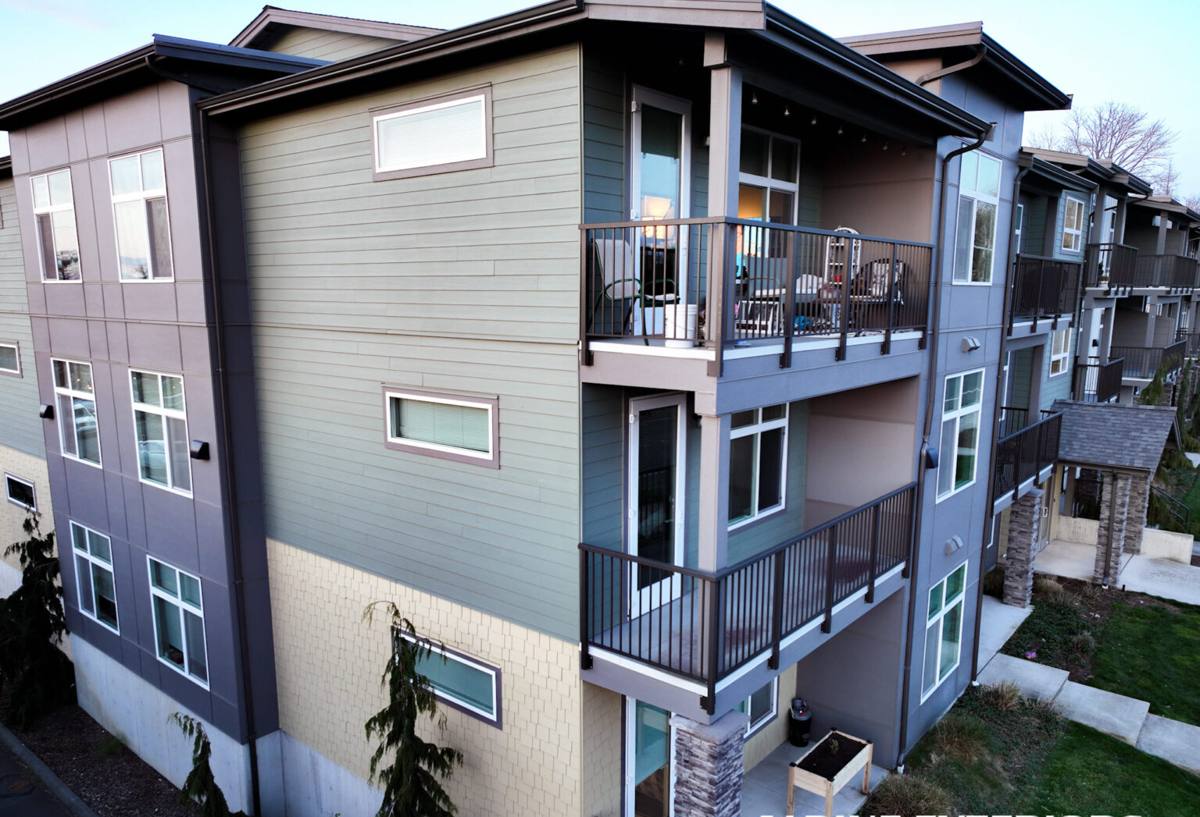
What "Energy-Efficient" Actually Means Here
Energy efficiency in a window comes down to a handful of measurable properties, and in this climate two of them matter more than they do in a hot, dry region.
U-Factor
U-factor measures how much heat escapes through the window. Lower is better. Because Whatcom County winters are mild but long and damp, keeping heat inside the home during those months is the bigger energy concern than blocking summer sun, so a low U-factor generally matters more here than a low SHGC.
Solar Heat Gain Coefficient (SHGC)
This measures how much solar heat passes through the glass. It matters more on south- and west-facing walls, and for homes with larger window areas that get direct afternoon sun. It is a secondary priority for most homes in this area compared to U-factor, but still worth discussing room by room.
Air Leakage
This is where a lot of older or poorly installed windows fail in this climate. Wind-driven rain finds any gap, and once moisture gets behind the frame it does not dry out quickly in our humidity. Low air leakage ratings and, just as important, a correctly sealed and flashed installation are what actually keep a window airtight for the long run.
Common Problems We See on Sumas-Area Windows
Most of the calls we get about window replacement in this area trace back to a handful of recurring issues, not random bad luck:
- Condensation building up between double-pane glass, meaning the seal has failed and the insulating gas has escaped
- Soft or discolored trim and sills from water tracking behind the frame instead of shedding off it
- Persistent drafts around the sash, especially on the side of the house that takes the most wind-driven rain
- Moss, algae, or green staining building up in frame corners and tracks that stay damp longer than the rest of the window
- Original builder-grade aluminum or single-pane windows that were never upgraded and now cost real money in heat loss every winter
Any one of these on its own might just mean a repair. Several together, especially on a home more than 20-25 years old, usually means the whole window assembly is due for replacement rather than patching.
What a Correct Installation Actually Involves
The window unit itself only does half the job. The other half is the installation, and in a wet climate like this, a rushed or shortcut installation is where most future leaks come from. A correct job includes:
- Removing the old window and inspecting the rough opening framing for hidden rot or moisture damage before anything new goes in
- Installing a sloped sill pan so any water that gets past the window sheds outward instead of pooling
- Applying flashing tape and a weather-resistive barrier in the correct shingle-lap order so water is always directed downward and outward, never trapped
- Setting the window level, plumb, and square, then securing it per the manufacturer's fastening schedule
- Insulating the gap between the frame and the rough opening without over-packing it, which can bow the frame
- Sealing the exterior with the correct sealant and finishing trim so the whole assembly sheds water as one system
Skip the sill pan or get the flashing order wrong, and a window can look fine for a year or two before water finds its way into the wall. That is the kind of failure that is expensive to catch late and cheap to prevent up front.
Choosing a Frame Material for This Climate
Frame material affects both energy performance and how the window holds up to years of damp weather. Here is how the common options compare for a Whatcom County home:
| Frame Material | Moisture Resistance | Energy Performance | Maintenance |
|---|---|---|---|
| Vinyl | Very good — will not rot; seams are the main watch point | Good, with multi-chambered profiles improving insulation | Low — occasional cleaning, no painting or sealing needed |
| Fiberglass | Excellent — very stable, minimal expansion/contraction | Very good, often the best combination of strength and insulation | Low, though a higher upfront cost than vinyl |
| Wood / Wood-Clad | Good on the interior; the exterior cladding must be maintained or moisture can reach the wood core | Very good natural insulation | Higher — clad exteriors need periodic inspection, painted wood needs repainting |
| Aluminum | Durable but conducts cold and can condense heavily in our humidity | Weakest of the group unless thermally broken | Low, but energy performance is the trade-off |
We do not push one brand or material as universally "the best." We will tell you honestly which option fits your home's exposure, your budget, and how much long-term maintenance you actually want to take on. A shaded, wind-sheltered wall has different needs than a wall that takes the brunt of storms off the water.
Cost Factors Worth Understanding
We do not publish fixed prices because every home is different, but the honest cost drivers on a Sumas-area window job are usually the same handful of things:
| Factor | Why It Moves the Price |
|---|---|
| Number and size of openings | More glass and larger units mean more material and labor |
| Frame material chosen | Fiberglass and premium wood-clad cost more than standard vinyl |
| Condition of the rough opening | Hidden rot or framing damage found during removal adds repair work |
| Trim and siding tie-in | Matching existing trim or siding profiles takes more time than a bare install |
| Access and story height | Second-story or hard-to-reach windows take longer and may need staging |
Any reputable estimate should walk through these factors specifically for your home, not just hand you a number per window.
Our Process, Start to Finish
We keep the process straightforward because that is what makes a window job go smoothly:
- On-site assessment of your current windows, framing, and any signs of moisture or drafts
- A clear written estimate that explains what you are paying for, not just a total number
- Scheduling that accounts for our wet season, so installs happen in weather windows that let sealants and flashing cure properly
- Removal, framing inspection, sill pan and flashing installation, and setting the new window per manufacturer spec
- Exterior trim and sealant finish work, matched to your home where practical
- A final walkthrough so you know how the new windows operate and what, if anything, needs occasional attention
Why a Crew That Already Works This Area Matters
Window installation looks similar on paper everywhere in the country, but a crew that regularly works in Whatcom County knows which details actually matter here: how to flash for wind-driven rain instead of just vertical rain, how long moss and algae take to establish on north-facing frames, and how our humidity affects sealant cure times and product selection. That is the kind of judgment that only comes from doing this work repeatedly in this exact climate, not from a general installation checklist written for a drier region.
It also means we are not guessing at your home's exposure. A wall that catches wind off open ground behaves differently than a sheltered wall, and we adjust flashing detail and product recommendations accordingly rather than treating every opening the same.
Keeping New Windows Performing Long-Term
Energy-efficient windows are not maintenance-free, even good ones. A little attention keeps them performing at the level they were installed for:
- Rinse frames and tracks periodically to keep moss and algae from establishing, especially on shaded, north-facing walls
- Check exterior caulking and sealant lines once a year for cracking or separation
- Keep gutters and downspouts clear so water is not sheeting directly across window heads
- Open and close each window through a full range of motion occasionally so hardware does not seize
- Watch for condensation between panes, which signals a failed seal worth addressing before it affects the frame
If you are noticing drafts, fogged glass, or moss building up around your window frames, it is worth having them looked at before another wet season adds to the damage. We are happy to walk through your home, give you an honest read on what your windows actually need, and put together a free, no-pressure estimate — just fill out the form below.