 Ferndale Siding
 Roofing in the Cordata Area: A Different Set of Problems
Homes in and around the Cordata neighborhood sit in one of the more demanding roofing climates in Whatcom County. This corner of northwest Washington gets a steady mix of Pacific moisture, cool damp air moving in off the Salish Sea, and long stretches of overcast weeks where roofs simply don't get a chance to dry out. That combination is hard on every layer of a roofing system, not just the shingles you can see from the driveway.
We work on roofs throughout the Ferndale area regularly, and the failure patterns we see on Cordata-area homes are consistent: moss establishing itself in shaded north-facing slopes, granule loss from years of driving rain, and slow moisture intrusion at flashing points that homeowners don't notice until there's a stain on a ceiling. None of that is unusual for this region — it's just what a roof here has to stand up to, year after year.
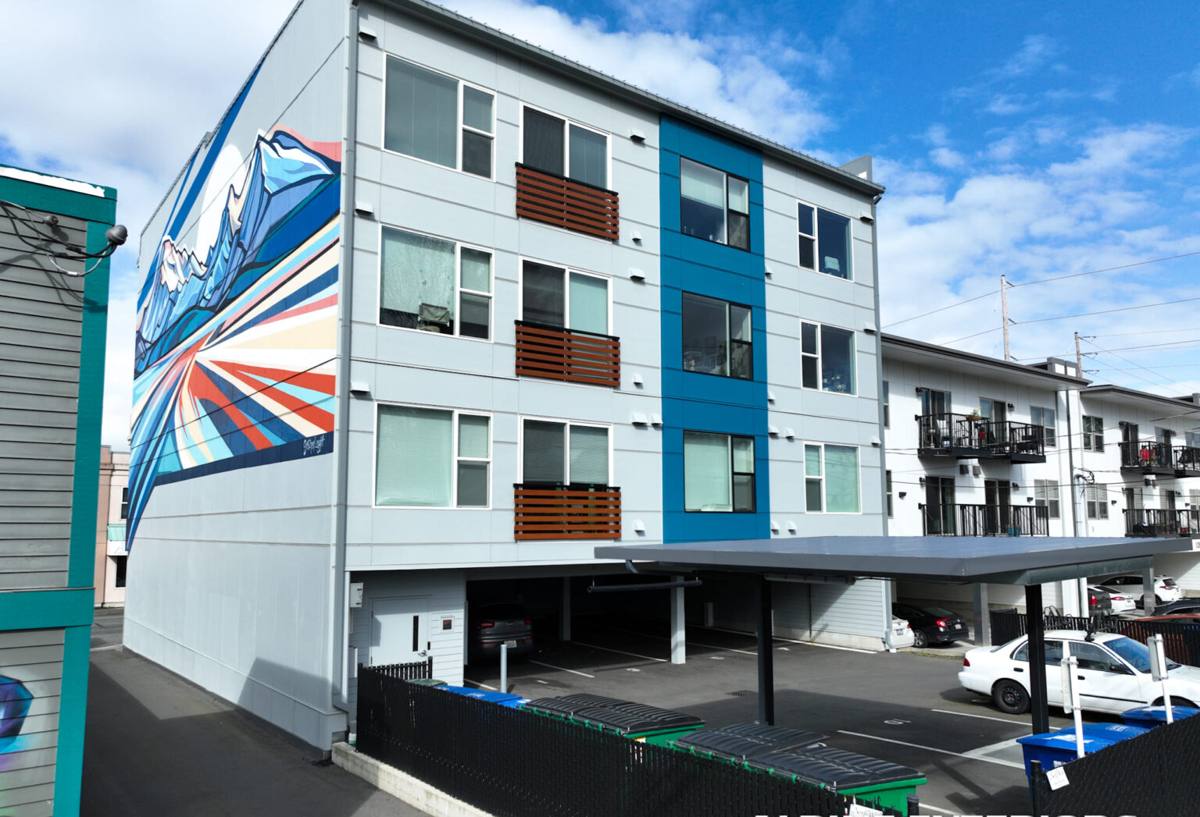
Why Salt Air, Rain, and Moss Matter More Here
Salt Air and Metal Components
Proximity to the water means airborne salt settles on roofing metal over time — flashing, vents, fasteners, and gutter hardware. Standard uncoated steel components corrode faster in this environment than they would further inland. It's not dramatic, it's gradual, but it's the kind of thing that turns a 25-year roof into a 15-year roof if the wrong materials get used at the flashing and fastener level.
Driving Rain
Whatcom County doesn't just get rain, it gets sustained, wind-driven rain that pushes water sideways under eaves, around vents, and into any gap in the underlayment or flashing. A roofing system built for a drier climate — thinner underlayment, minimal flashing overlap, shortcuts at valleys — will leak here even if it would hold up fine somewhere else.
Moss Season
Shaded, north-facing roof slopes in the Cordata area can stay damp for weeks at a time in the fall and winter. That's exactly the environment moss needs to take hold. Once moss establishes itself under shingle tabs, it lifts them, holds moisture against the roof deck, and accelerates rot in a way that's easy to underestimate until the damage is already done.
Signs a Cordata-Area Roof Is Due for Replacement
Not every roof problem means a full replacement, but there's a point where repairs stop making financial sense and a new roof is the honest recommendation. Here's what we look for:
- Granule loss heavy enough that you can see bare asphalt on shingles, especially on south and west-facing slopes
- Moss or algae growth that keeps coming back within a season of cleaning
- Curling, cupping, or cracked shingles, particularly on slopes that get the most sun and rain exposure
- Soft spots or spongy areas underfoot on the roof deck
- Water stains on interior ceilings or in the attic that track back to the roof rather than plumbing
- Daylight visible through the roof deck from inside the attic
- A roof approaching or past 20-25 years old, even if it looks okay from the ground
- Repeated flashing leaks around chimneys, skylights, or vent pipes despite prior repairs
If you're only seeing one or two of these and the roof is under 15 years old, a repair or a partial section replacement is often the more sensible move. We'll tell you that directly rather than push a full tear-off you don't need yet.
What a Correct Roof Replacement Actually Involves
A roof replacement done right in this climate is more than swapping old shingles for new ones. The parts you don't see matter as much as the parts you do.
Full Tear-Off and Deck Inspection
We remove the existing roofing down to the deck rather than layering over old material. That's the only way to actually inspect the plywood or OSB sheathing underneath for rot, soft spots, or delamination caused by long-term moisture — problems that are common on shaded slopes in this area and invisible from above until the old layer comes off.
Ice and Water Barrier at Vulnerable Points
Eaves, valleys, and areas around penetrations get a self-adhering waterproof membrane underneath the primary underlayment. This is the layer that stops wind-driven rain from working its way under shingles at the points where a roof is most likely to leak.
Synthetic Underlayment Across the Field
Synthetic underlayment sheds water better than old-style felt, resists tearing during install, and holds up longer if weather delays the shingle installation by a day or two — which happens often enough here that it's worth planning for.
Flashing Done Right, Not Reused
Flashing around chimneys, skylights, walls, and vent pipes gets replaced, not reused. Old flashing that looks fine from a distance is often corroded or bent out of shape underneath, and it's the single most common source of leaks we find on roofs that were replaced but had old flashing left in place to save time.
Ventilation Correction
We check and correct attic ventilation as part of the replacement, not as an afterthought. Poor ventilation traps moist air in the attic, which condenses on the underside of the deck and accelerates rot from the inside — a problem that has nothing to do with the shingles themselves but will shorten the life of a new roof if it's ignored.
Checklist: What Should Be Included in Your Written Estimate
- Full tear-off to the deck, with sheathing repair priced separately if needed
- Ice and water barrier at eaves, valleys, and penetrations
- Synthetic underlayment specification
- New flashing at all penetrations, chimneys, and walls
- Attic ventilation assessment and any corrections
- Manufacturer and labor warranty terms in writing
- Cleanup and magnetic sweep for nails and debris
Roofing Material Comparison for This Climate
Most Cordata-area homes are well served by one of a few roofing systems. Here's how they generally compare for a coastal Whatcom County climate:
| Material | Typical Lifespan | Moss/Moisture Behavior | Trade-Offs |
|---|---|---|---|
| 3-Tab Asphalt Shingle | 15-20 years | More susceptible to moss and granule loss over time | Lowest upfront cost, shortest lifespan in this climate |
| Architectural (Dimensional) Shingle | 25-30 years | Better moisture shedding and moss resistance than 3-tab | Higher upfront cost than 3-tab, most common choice we install here |
| Metal (Standing Seam) | 40-50+ years | Sheds water and moss very well, minimal maintenance | Highest upfront cost, requires experienced installers |
| Cedar Shake | 20-30 years with upkeep | Attractive but needs regular treatment to resist moss and rot in wet climates | Highest maintenance burden of the options above; we're honest with clients about that upkeep before they commit |
We install architectural shingles on the large majority of Cordata-area replacements because they hold up well against driving rain and moss without the added maintenance commitment that cedar requires or the upfront cost jump of metal. That said, metal is a legitimate long-term option for homeowners who want to minimize future maintenance and are comfortable with the higher initial investment.
What Affects the Cost of a Cordata Roof Replacement
We don't publish fixed prices because roof cost depends on real variables specific to your home. In general terms, here's what moves the number:
| Factor | Why It Matters |
|---|---|
| Roof size and number of stories | More square footage and steeper access both add labor time |
| Roof pitch and complexity | Multiple valleys, dormers, and steep slopes take longer and require more flashing work |
| Deck condition | Rotted or soft sheathing found during tear-off needs replacement before new roofing goes on |
| Material choice | Asphalt, architectural shingle, and metal carry different material and labor costs |
| Existing layers | Removing multiple old layers of roofing adds tear-off time and disposal cost |
| Ventilation corrections | Adding or upgrading intake and exhaust vents is worth the modest added cost for long-term roof health |
We won't know your real number until we've been on the roof. What we can promise is a written estimate that breaks down materials, labor, and any deck repair separately, so you're not guessing what you're paying for.
Our Process, Start to Finish
- On-site inspection. We walk the roof, check the attic for ventilation and moisture issues, and look at flashing points before quoting anything.
- Written estimate. You get a clear breakdown of materials, labor, and any sheathing repair contingency, with no pressure to decide on the spot.
- Scheduling around weather. We plan installation windows with this region's rain patterns in mind and won't start a tear-off if we can't get it dried in the same day.
- Tear-off and deck inspection. Old roofing comes off, the deck gets inspected, and any rot or soft spots get addressed before anything new goes down.
- Installation. Ice and water barrier, underlayment, flashing, and shingles or metal go in following manufacturer specifications, not shortcuts.
- Cleanup and final walkthrough. Debris and nails get cleared from the property, and we walk the finished roof with you before calling the job done.
Why a Local Ferndale Crew Matters for This Neighborhood
A roofing crew that regularly works the Ferndale and greater Whatcom County area knows this climate's failure points without having to relearn them on your roof. We know which slopes hold moss longest through the winter, why flashing corrodes faster this close to the water, and how to schedule tear-offs around a weather pattern that can turn on short notice.
There's also a practical side to hiring local: permitting, disposal, and follow-up service are all easier when the crew that installed your roof is a short drive away rather than based somewhere out of the area for a season and gone. If a question comes up two years after installation, you're calling a crew that's still working in your neighborhood, not chasing down a company that only showed up once.
Caring for a New Roof in This Climate
A correctly installed roof still benefits from basic upkeep, especially in an area prone to moss:
- Keep gutters clear so water isn't backing up under the roof edge during heavy rain
- Trim back overhanging branches that keep shaded slopes damp longer than they need to be
- Have moss growth addressed early rather than letting it establish itself under shingle tabs
- Schedule a periodic visual check after major windstorms to catch lifted or damaged shingles early
None of this requires a maintenance contract or constant attention — it's the kind of occasional check that keeps a well-installed roof performing for its full lifespan instead of running into avoidable problems.
If your roof in the Cordata area is showing its age or you're just not sure whether it needs repair or replacement, we're happy to take a look and give you a straight answer. Fill out the form below for a free, no-pressure estimate.