 Ferndale Siding
 Sandy Point Sits Right in the Weather's Path
Sandy Point is one of the more exposed residential pockets in the Ferndale area — a waterfront community sitting directly on the Strait of Georgia in Whatcom County, with little in the way of tree cover or terrain to slow down what comes off the water. Homes here take a different kind of beating than a house tucked into a wooded lot a few miles inland. Salt-laden air moves through constantly, wind-driven rain hits siding at an angle instead of falling straight down, and the shaded, damp stretches of the property hold moisture long after the rest of Whatcom County has dried out.
None of that is a reason to panic about your siding. It's a reason to be specific about what "siding repair" actually needs to mean for a house in this location. A patch job that would hold up fine in a sheltered inland neighborhood can fail fast at Sandy Point if it doesn't account for salt exposure, wind-driven moisture, and the long moss season that follows our wet months.
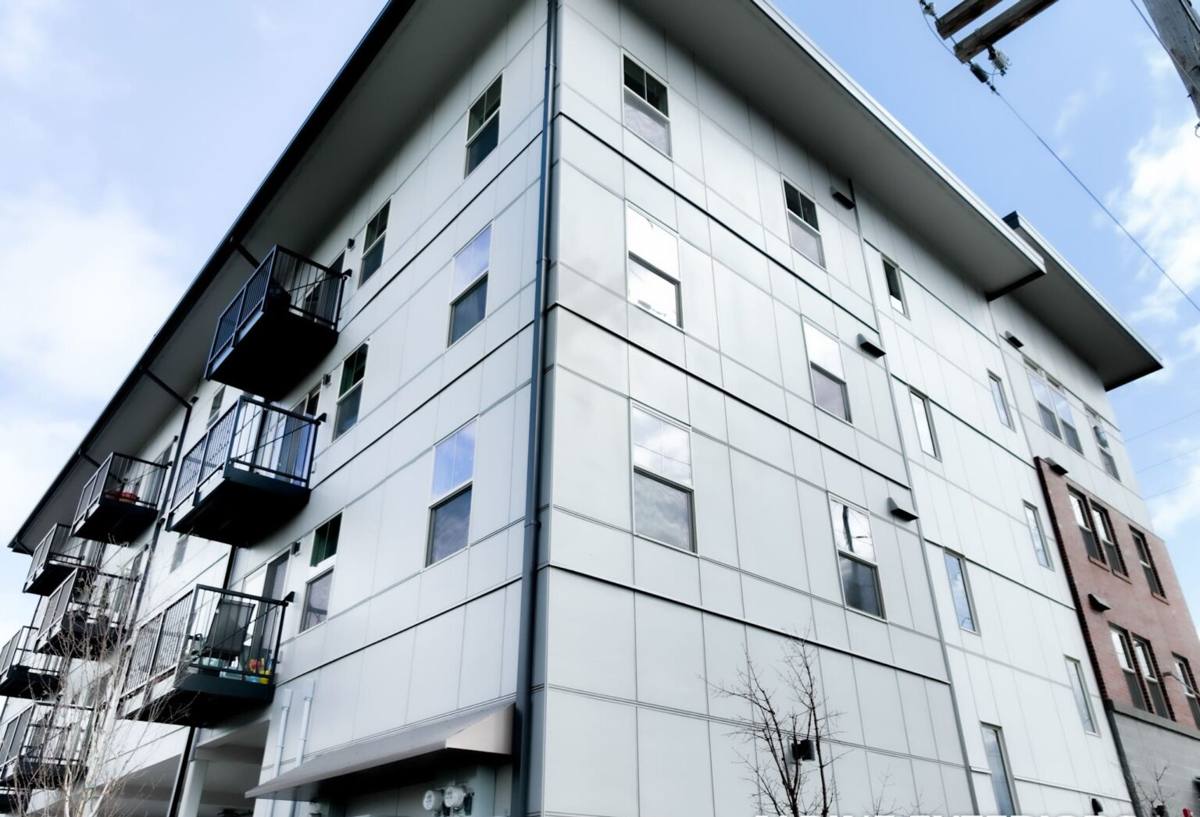
What Salt Air, Driving Rain, and Moss Actually Do to Siding
Salt Air
Airborne salt is corrosive to metal fasteners, flashing, and trim hardware, and it accelerates the breakdown of paint films and caulk. On wood-based and composite sidings, salt exposure combined with moisture speeds up swelling, delamination, and paint failure at seams and cut edges — the places where the manufacturer's factory protection has already been compromised by a saw blade.
Driving Rain
Wind off the water doesn't just add rainfall — it changes the direction water hits the house. Driving rain pushes moisture up and under laps, into nail heads, and behind trim that was only ever designed to shed water falling straight down. Over time this finds every weak seam, every under-caulked joint, and every spot where flashing was skipped or installed short.
Moss Season
Whatcom County's wet season runs long, and shaded north- and west-facing walls at Sandy Point can stay damp for weeks at a stretch. Moss and algae don't just look bad — they hold water against the siding surface, keep it from drying between rain events, and, if left to build up, can work into seams and fastener holes and start the same rot cycle from the outside in.
Signs a Sandy Point Home Needs Siding Repair
Because of the exposure here, siding problems at Sandy Point often show up sooner and in different spots than they would inland. Walk your exterior and look for:
- Soft or spongy spots when you press on siding near the bottom courses, corners, or under windows
- Paint that's bubbling, peeling, or chalking heavily on wind-facing walls
- Dark streaking, green film, or thick moss buildup on shaded walls that never fully dries out
- Visible gaps, cracked caulk, or separation at seams, corner boards, and trim joints
- Rust staining bleeding down from fastener heads or metal flashing
- Warping, cupping, or buckling panels, especially near ground level or roof-to-wall transitions
- Interior clues — a musty smell, a stained wall, or peeling interior paint near an exterior wall
Any one of these on its own might be minor. Several together, especially on the water-facing or shaded sides of the house, usually means moisture has been getting behind the siding for a while.
What a Correct Repair Actually Involves
The most common mistake in siding repair — anywhere, but especially in a marine environment like Sandy Point — is treating it as a cosmetic fix. Cutting out a damaged section and nailing up a patch without understanding why that section failed just buys a few more years before the same spot fails again, often worse.
Find the Water Path, Not Just the Damage
Before any siding comes off, a correct repair starts by tracing how water got in. That might mean checking flashing above windows and doors, looking at how trim boards were sealed, checking the condition of the water-resistive barrier behind the siding, and inspecting for damaged sheathing or framing underneath. Replacing siding over an unresolved moisture path is a repeat repair waiting to happen.
Match the Material and the Method
Repairs need to match not just the look of the existing siding but how it was installed — lap exposure, fastening pattern, and joint treatment all matter for how the new section will perform against wind-driven rain. Mismatched materials or shortcuts at the transition point are common failure spots.
Restore the Water Management, Not Just the Surface
Proper flashing, correctly lapped house wrap, and sealed penetrations matter more at Sandy Point than almost anywhere else in the Ferndale area, because the siding itself is only the first line of defense against near-constant wind-driven moisture. A repair that skips this step is patching a symptom, not fixing the problem.
Repair or Replace? Weighing the Real Factors
Not every problem area needs a full re-side, but at some point patch repairs stop making financial sense. Here's how we walk homeowners through that decision:
| Factor | Leans Toward Repair | Leans Toward Replacement |
|---|---|---|
| Extent of damage | Isolated to one or two areas | Spread across multiple walls or elevations |
| Underlying structure | Sheathing and framing sound | Rot has reached sheathing or framing |
| Siding material | Still available or closely matchable | Discontinued, faded, or badly mismatched |
| Age of existing siding | Well within expected service life | Near or past its realistic lifespan |
| Repair history | First repair in this area | Same spot has failed before |
| Overall exposure | Sheltered elevation | Direct water-facing or wind-loaded wall |
A house that's had two or three repairs in the same wind-facing corner in a few years is telling you something — usually that the water management behind the siding needs to be addressed at a larger scale, not that the siding itself is unusually unlucky.
Why Material Behavior Matters in a Repair
When a repair does call for replacing a larger section — or when patch repairs have run their course — the material going back on the wall matters as much as the workmanship. In an environment with constant salt exposure and a long wet season, some siding materials handle repeated wetting and drying far better than others.
We install James Hardie fiber cement exclusively, including on repair and partial-replacement work, because it's engineered specifically for this kind of exposure. It's non-combustible, doesn't absorb and swell the way wood-based products can, and its ColorPlus factory finish is formulated to hold color and resist the fading and chalking that salt air accelerates on field-painted surfaces. For a coastal Whatcom County property, that translates to fewer repeat repairs down the line and a more consistent look between older and newer sections of siding.
Color Matching on Repairs
One practical advantage of Hardie's factory-finished ColorPlus system is consistency — because the color is baked on at the factory rather than mixed and applied on-site, matching a repaired section to existing Hardie siding is far more predictable than matching a field-painted product, where sun and salt exposure have already shifted the original color over time.
Our Process for Sandy Point Siding Repairs
- On-site inspection — we look at the damaged area and the surrounding wall assembly, not just the visible symptom
- Moisture and structural check — probing for soft sheathing or framing damage before quoting any work
- Honest repair-vs-replace recommendation — based on what we actually find, not a default upsell
- Water management correction — flashing, house wrap, and sealant details are restored properly, not just covered over
- Material match and install — matched siding installed to correct exposure and fastening spec
- Final walkthrough — so you know exactly what was found, what was fixed, and what to watch going forward
Why a Crew That Already Works Sandy Point Matters
A contractor who works this stretch of Whatcom County regularly already understands how differently salt air and wind-driven rain behave here compared to a sheltered inland Ferndale lot. That familiarity shows up in small but important decisions — where to expect hidden moisture even when the surface looks fine, how much margin to build into flashing details on a water-facing wall, and which areas of a Sandy Point home tend to need attention first. A crew seeing this kind of exposure for the first time is learning on your house. A local crew has already learned it on the neighborhood.
Living With Repaired Siding Through Moss Season
A correct repair sets you up to succeed, but a little upkeep keeps it that way. Trim back vegetation that's shading and holding moisture against the wall where possible, rinse off heavy moss or algae buildup before it thickens, and keep gutters and downspouts clear so roof runoff isn't dumping extra water onto already-exposed siding. Walking the exterior once or twice a year — especially before and after the wet season — is the easiest way to catch a small issue before it becomes a repeat repair.
If you're seeing soft spots, peeling paint, moss buildup, or gaps in your siding at Sandy Point, we're happy to take a look and give you a straight answer about what's going on and what it'll take to fix it right. Reach out using the form below for a free, no-pressure estimate.