 Ferndale Siding
 Fiber Cement Siding Built for Semiahmoo's Waterfront Exposure
Semiahmoo sits out on a narrow spit near Blaine, bordered by water on more than one side, which makes it one of the more demanding places in Whatcom County to keep a siding system performing year after year. Salt-laden air, wind-driven rain, and a moss season that runs most of the calendar don't treat every siding material the same way. Some hold up. Others start showing problems — swelling at the seams, chalking finish, soft trim — within the first few wet seasons. This page is about one thing specifically: getting fiber cement siding right on a Semiahmoo home, from the product line you choose down to the fastener spacing behind it.
We install James Hardie fiber cement siding exclusively, and nothing else. On a property this exposed, the gap between a correctly installed Hardie system and a corner-cut one shows up faster than it would a few miles inland, which is exactly why the details in this page matter more here than they would on a more sheltered lot.
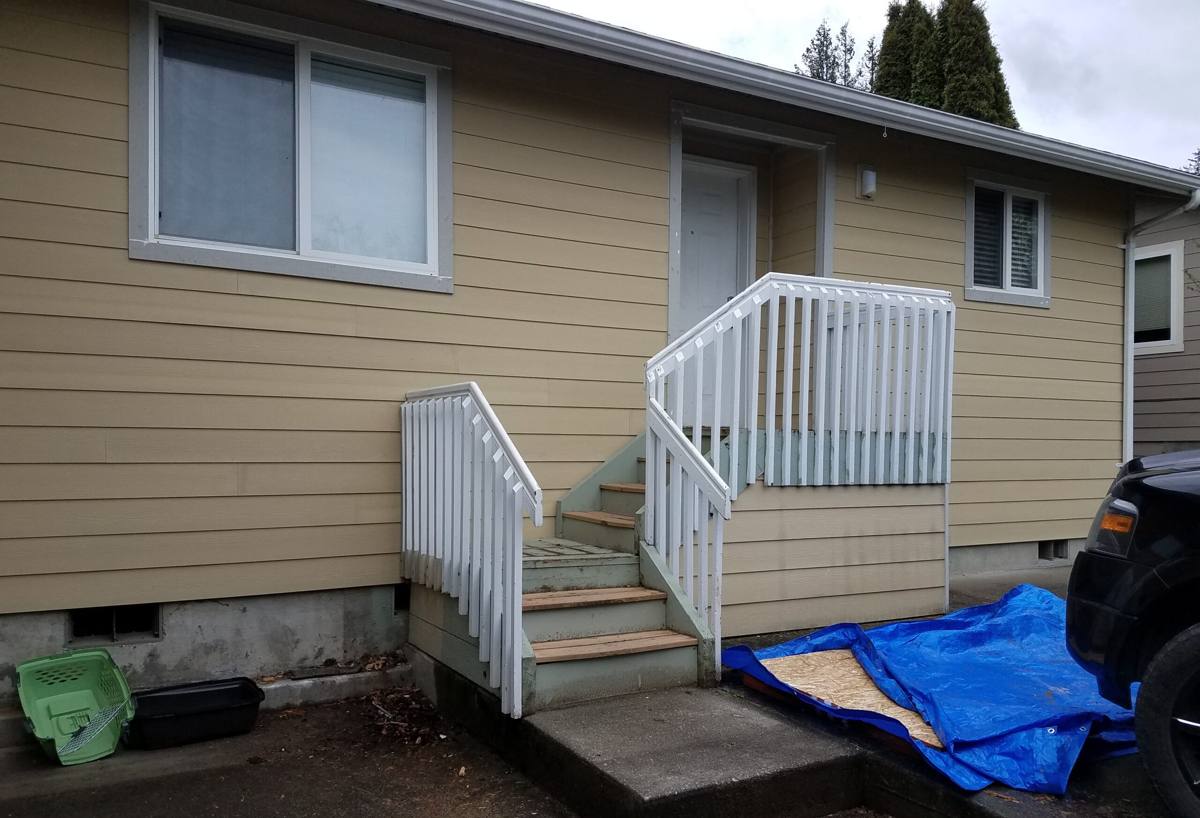
What This Site Actually Does to a Siding System
Salt-Laden Air and Finish Wear
Because Semiahmoo has water on more than one side, salt-carrying air reaches the walls of a home from multiple directions rather than one prevailing exposure. That accelerates corrosion in exposed fasteners and trim hardware, and it wears down lower-quality paint finishes noticeably faster than a drier inland site would. Any siding material and every piece of hardware behind it needs to be selected with that corrosion load in mind from the start.
Wind-Driven Rain Against Every Lap and Seam
With little to break the wind, rain out here rarely falls straight down — it gets pushed sideways into siding laps, corner joints, and window and door transitions with more force than a sheltered lot ever experiences. A lap or seam detail that performs fine on a calmer site can fail here specifically because water is finding its way in sideways, not from above.
A Moss Season That Runs Most of the Year
Mild temperatures and near-constant humidity keep moss and mildew active across most of the year in this part of Whatcom County, and shaded or north-facing walls are usually the first place it shows up. Porous or moisture-holding siding materials give it something to take hold on; a dense, factory-finished material gives it far less.
Why James Hardie Fiber Cement Is the Right System Here
James Hardie's fiber cement siding is manufactured for exactly this kind of climate. The company produces an HZ5 formulation specifically engineered for regions with heavy moisture exposure and freeze-thaw cycling, which describes waterfront Whatcom County well, and that's the product line we install on Semiahmoo homes. The cement composite core doesn't swell, cup, or warp the way wood-based siding products can after repeated wetting, and because it's non-combustible, it doesn't feed a fire the way some wood-based sidings can — a factor that matters for both safety and, in many cases, insurance underwriting.
Just as important on a coastal property is the finish. Hardie's ColorPlus technology bakes the color onto the board under controlled factory conditions, rather than relying on a coat of paint applied on site after installation. That factory finish resists fading, chalking, and moisture intrusion far longer than field-applied paint does, which matters a great deal on a site getting hit with salt air and near-constant humidity. Hardie also backs the product with one of the stronger transferable warranty structures in the industry, provided the installation follows their published specifications — which is the part that actually falls on us.
Choosing the Right Hardie Profile for a Semiahmoo Home
James Hardie makes fiber cement in several distinct profiles, and the right one depends on the home's style as much as its exposure. We walk through these options with homeowners rather than defaulting to whatever's fastest to install.
| Profile | Look | Where It Fits Best | Maintenance Notes |
|---|---|---|---|
| HardiePlank lap siding | Traditional horizontal lap | Most home styles; the most common choice on this stretch of coast | Low; factory finish, minimal field painting |
| HardiePanel vertical siding | Clean vertical panels | Modern builds, accent walls, gable ends | Low; fewer horizontal laps for wind-driven rain to work against |
| HardieShingle siding | Staggered or straight-edge shingle profile | Craftsman and cottage-style homes | Low to moderate; more edge detail to install correctly |
| Board & batten | Vertical boards with cap strips over the seams | Farmhouse and modern coastal exteriors | Low; more seams overall, so installation detail matters more |
None of these profiles perform any differently at the material level — the fiber cement itself is the same. What changes is how much seam and joint length is exposed to weather, which is why the installation detail behind each profile deserves as much attention as the profile itself.
What Correct Installation Involves on a Property This Exposed
Fiber cement only performs the way it's engineered to when the installation follows Hardie's published specifications from the ground up. On a Semiahmoo property, we treat the following as the baseline, not as upgrades:
- A weather-resistive barrier installed and correctly lapped, shingle-style, before any siding goes on
- A drainage gap or rainscreen behind the siding so any moisture that gets past the surface can dry out instead of sitting against the wall sheathing
- Corrosion-resistant fasteners at the manufacturer's specified type and spacing, not just "enough to hold the board up"
- Proper clearance from grade, roof lines, decks, and other transitions where siding meets a different material
- Correctly lapped and sealed flashing at every window, door, and roof-to-wall transition
- Field-cut edges primed and sealed before installation, since the factory ColorPlus finish only protects the face and factory-cut edges
Skip any one of these steps and a Hardie wall can still look fine on installation day. The problems that follow — staining at the base, soft trim, paint failure at a lap — usually take a wet season or two to surface, which is exactly why they're easy for a rushed install to get away with until the homeowner is the one living with it.
Our Process, Start to Finish
We start with an on-site assessment of the existing siding and wall assembly, looking specifically at how the current system has handled moisture over time — soft spots, failed caulk joints, and signs of trapped water behind the surface. From there we remove the old siding and inspect the sheathing underneath, repairing any rot or water damage before anything new goes up, since installing new siding over a compromised wall just hides the problem for a few more years. We install the weather-resistive barrier and drainage detailing next, then the Hardie siding itself to the manufacturer's fastening and clearance specifications, followed by trim, corner, and finish work. We close out with a walkthrough so the homeowner can see the completed work and ask questions before we consider the job done.
What Drives the Cost of a Fiber Cement Siding Project
| Factor | Why It Matters |
|---|---|
| Home size and wall complexity | More corners, gables, and dormers mean more cutting, trim, and labor time |
| Existing siding removal and disposal | Tear-off adds labor and disposal cost before new siding can go on |
| Sheathing or rot repair | Water damage found during tear-off has to be fixed before installation continues |
| Trim and accessory work | Corner boards, window and door trim, and soffit detailing add material and labor |
| Profile choice | Lap, panel, shingle, and board & batten profiles differ in installation time and seam count |
| Color and finish selection | Standard ColorPlus colors versus custom or field-painted options affect material cost |
We don't quote a Semiahmoo siding project without walking the property first — a wall that looks fine from the ground can hide sheathing damage that changes the scope significantly once the old siding comes off.
ColorPlus Finish and Coastal Color Options
Because the ColorPlus finish is baked on at the factory rather than applied on site, color consistency and long-term fade resistance are built in from the start rather than dependent on how well a painter's coat holds up outdoors. James Hardie's ColorPlus lineup includes a range of tones that suit a coastal Pacific Northwest home well — soft grays, cool blues, and warm neutrals that hold their color under salt air and constant marine humidity far better than a standard field-applied paint would. We go over the available options with each homeowner against their home's style and the surrounding landscape rather than pushing a single default.
Why a Crew That Already Works Semiahmoo Matters
A contractor who regularly installs siding on this stretch of Whatcom County coastline already knows how salt air, open wind, and near-constant moisture behave differently here than they do even a few miles inland toward Ferndale or Blaine proper. That familiarity shows up in the small decisions — how tight to set a drainage gap, which fastener grade to use, where a joint needs extra sealing attention — and those are exactly the details that determine whether a fiber cement siding job lasts one wet season or three decades on an exposed property like this.
Before hiring anyone for a fiber cement siding project here, it's worth asking a few direct questions:
- Do they install to James Hardie's published specifications, including drainage detailing and fastener spec?
- Do they carry current Washington contractor licensing and active liability insurance?
- Will they put the scope of work, materials, and warranty terms in writing before any contract is signed?
- How do they handle sheathing or rot repair if it's found once the old siding comes off?
- Have they worked on exposed, waterfront properties in this area before, and can they speak to how that changes their approach?
If you're weighing a fiber cement siding project for a Semiahmoo home, we're happy to walk the exterior with you and give an honest read on what the job actually involves. Reach out below for a free, no-pressure estimate.