 Ferndale Siding
 Board & Batten Siding in Marietta: Built for the Coast, Not Just for Looks
Board and batten siding has a clean, vertical look that shows up on farmhouses, coastal cottages, and modern remodels alike around Whatcom County. In Marietta, that look has to survive more than a design trend. Homes here sit close enough to the water that salt air is a daily fact of life, driving rain comes in sideways off the Strait during winter storms, and the shaded, damp stretches of the year turn north-facing walls into moss farms if the siding and the install both aren't up to the job. We install board and batten siding for Marietta homeowners who want that look done right the first time, with a material and a process that actually holds up to this specific stretch of coastline.
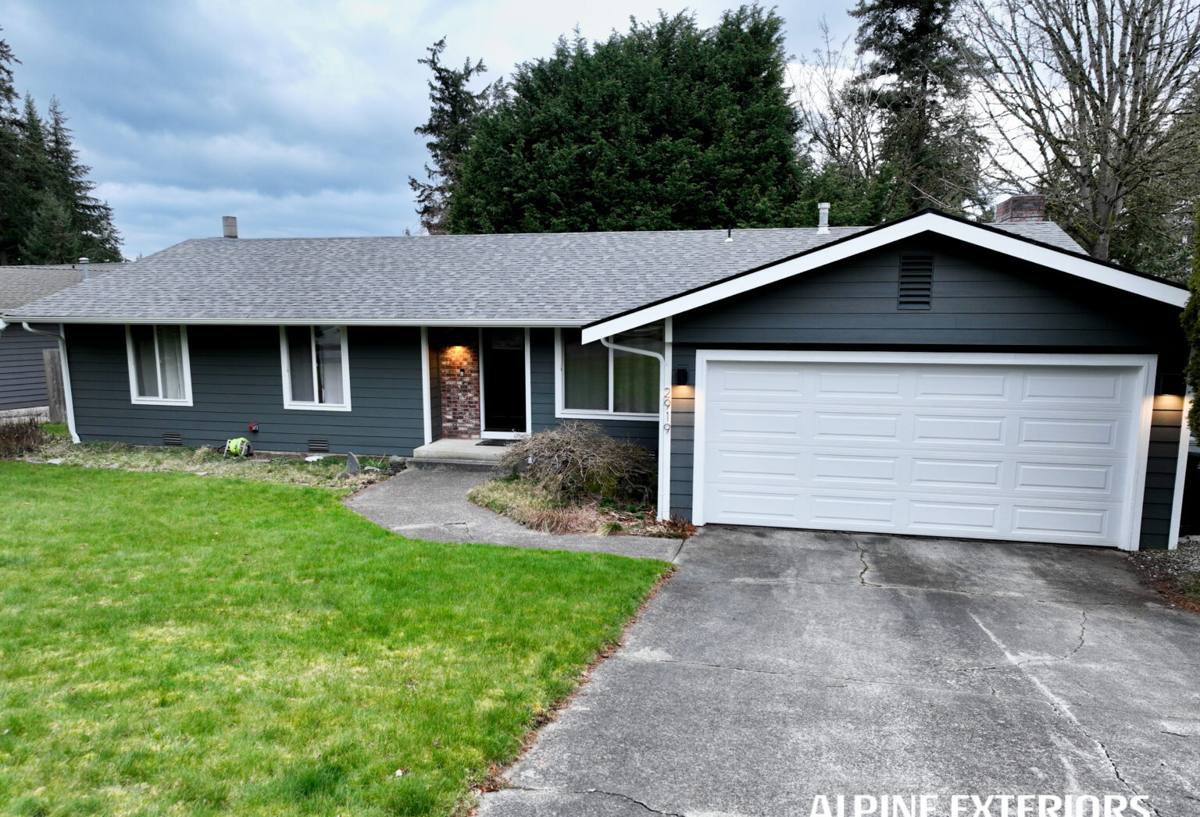
What Marietta's Climate Actually Does to a Wall
Every siding material reacts differently to sustained coastal exposure, and board and batten siding has more seams, more vertical joints, and more places for water to find a way in than a simple lap profile. That makes material choice and installation detail more important here, not less. Three conditions define what a Marietta wall deals with year-round:
- Salt air: airborne salt from Bellingham Bay and the Strait of Georgia accelerates corrosion on fasteners and finishes, and it degrades paint film faster than an inland location would see.
- Driving rain: wind-driven storms push water horizontally into vertical siding seams and battens, which is exactly where board and batten systems are most vulnerable if flashing and gapping weren't done correctly.
- A long moss season: Whatcom County's wet, mild winters and shaded lots give moss and algae months to establish themselves on any siding surface that stays damp, especially on north and west elevations.
None of this means board and batten is a bad choice for Marietta. It means the material has to be genuinely water-resistant at its core, not just water-resistant on the surface, and the installation has to manage water intentionally rather than hope it never gets in.
Why We Install Only James Hardie for Board & Batten Work
We standardized on James Hardie fiber cement for every siding job we do, and board and batten in a coastal environment like Marietta is one of the clearest cases for why. Fiber cement is non-combustible, dimensionally stable, and engineered to resist moisture intrusion at the material level rather than relying entirely on paint or caulk to keep water out. That matters more on a vertical batten system than almost any other siding style, because vertical joints see more direct rain impact than horizontal lap seams do.
HardiePanel Vertical Siding with Batten Trim
Our board and batten installations use HardiePanel vertical siding as the field material, with HardieTrim boards installed as the battens over the panel seams. This is the system James Hardie engineered specifically for this look, and it's built to be installed with a drainage plane behind it rather than face-nailed straight to the sheathing.
ColorPlus Factory Finish
We spec ColorPlus finish on board and batten jobs whenever it fits the homeowner's plan, because a factory-baked finish resists the fading and chalking that field-applied paint struggles with in salt air. It also means fewer repaint cycles over the life of the siding, which matters on a material that's meant to last decades.
What a Correct Board & Batten Installation Actually Involves
Board and batten siding looks simple from the street: flat panels, vertical strips, clean shadow lines. What separates a job that lasts thirty years from one that fails in five is almost entirely hidden once the battens go on. This is where driving rain and salt air punish shortcuts.
| Installation Detail | Why It Matters in Marietta |
|---|---|
| Weather-resistive barrier & drainage plane | Gives any water that gets past the panel seams a path to drain out instead of sitting against the sheathing |
| Proper flashing at windows, doors, and penetrations | Driving rain finds these transitions first; poor flashing here is the most common cause of hidden rot |
| Correct panel and batten gapping | Fiber cement needs expansion clearance; tight-fit installs can buckle or crack over time |
| Corrosion-resistant fasteners | Salt air corrodes standard fasteners faster, leading to staining and loosened battens |
| Bottom edge clearance and kick-out flashing | Keeps splash-back and standing moisture away from the base of the wall, a common moss and rot starting point |
Every one of these details is manufacturer-required for the Hardie warranty to hold, and every one of them is easy to skip on a job site if the crew doesn't do this specific system regularly.
Our Process for a Marietta Board & Batten Project
- On-site assessment: we walk the exterior, check the current siding and sheathing condition, and look specifically at moisture exposure by elevation, since Marietta's shaded and wind-exposed sides often need different attention.
- Plan review: we talk through panel layout, batten spacing, trim details, and color, including whether ColorPlus factory finish fits the budget and design.
- Written estimate: a clear scope and price before any work starts, no surprise add-ons once the old siding is off.
- Tear-off and sheathing check: we don't cover up rot or existing moisture damage; if we find it, we show you before closing the wall back up.
- Weather barrier and flashing installation: the part of the job that determines whether the siding lasts, done to manufacturer spec, not shortcuts.
- Panel and batten installation: proper gapping, fastening pattern, and alignment for clean vertical lines.
- Final walkthrough: we go over the finished work with you and confirm everything matches what was scoped.
Board & Batten Material Options: What We See Homeowners Compare
Homeowners researching board and batten siding often come across vinyl and engineered wood versions of the same look, usually at a lower upfront price. It's worth understanding the trade-offs before deciding, especially in a salt-air, high-rain environment like Marietta.
| Factor | Vinyl Board & Batten | James Hardie Fiber Cement |
|---|---|---|
| Moisture resistance | Panels don't absorb water, but seams and fastening are more prone to gaps opening over time | Engineered specifically to resist moisture intrusion at the panel level |
| Coastal durability | Can become brittle and discolored with sustained salt and UV exposure | Non-combustible, dimensionally stable, holds up to salt air with proper finish |
| Finish longevity | Color is molded in; fading and chalking still occur over years | ColorPlus factory finish is baked on for better fade and moisture resistance |
| Appearance over time | Can look plasticky up close; battens are sometimes simulated rather than true dimensional | True panel-and-batten dimension with a more authentic shadow line |
| Upfront cost | Generally lower material cost | Higher material investment, offset by longevity and lower repaint frequency |
We don't install vinyl or engineered wood siding on any project, board and batten included. That's a standard we hold across every job, not just a Marietta-specific recommendation — but it's easiest to see why in a climate that tests siding this consistently.
Living With Board & Batten Siding in a Salt Air, High-Rain Climate
Correct installation solves most of the long-term risk, but board and batten siding in Marietta still benefits from a little routine attention, especially on shaded elevations where moss gets a foothold.
- Rinse siding annually to clear salt residue and airborne debris, especially on sides facing the water
- Check caulking around windows, doors, and trim every year or two and touch up as needed
- Keep gutters clean and functioning so roof runoff isn't dumping extra water onto the wall below
- Trim back vegetation and tree cover on shaded sides to reduce moss and algae growth
- Address any soft spots, staining, or loose battens promptly rather than waiting for a full season
None of this is heavy maintenance. It's the kind of upkeep that keeps a correctly installed Hardie board and batten wall looking and performing the way it should for decades, rather than the kind of neglect that shortens the life of any siding material.
Why Local Installation Experience Matters for This Job
Board and batten siding is less forgiving of installation mistakes than standard lap siding, and Marietta's combination of salt air, driving rain, and shaded moss-prone stretches means those mistakes show up faster here than they would inland. A crew that regularly works this part of Whatcom County already understands which elevations take the worst weather, how local moisture patterns behave against a wall, and where a standard installation approach needs adjusting for this coastline. That local pattern recognition, paired with a manufacturer-correct installation process, is what keeps a board and batten project from becoming a callback.
Get a Straightforward Estimate
If you're considering board and batten siding for a home in Marietta, we're happy to walk the property, look at your current siding condition, and put together a clear, no-pressure estimate for a James Hardie board and batten installation built for this coastline. Use the form below to get started.