 Ferndale Siding
 Building a Deck in Custer Means Building for the Weather First
Custer sits close enough to the water and open farmland that it gets the full spread of what Whatcom County weather can do to an outdoor structure: salt-tinged air rolling in off the bay, long stretches of driving rain from fall through spring, and a moss season that seems to start earlier and last longer every year. A deck built here isn't just an outdoor living space — it's a structure that has to survive standing water, constant dampness, and slow corrosion for a decade or more before it needs real attention again.
We build decks in Custer the way we'd want one built for our own house: with the framing, flashing, and fasteners sized for this climate, not for a catalog spec sheet written somewhere dry. This page covers what that actually looks like — the materials, the structure, and the process — so you know what to look for whether you hire us or someone else.
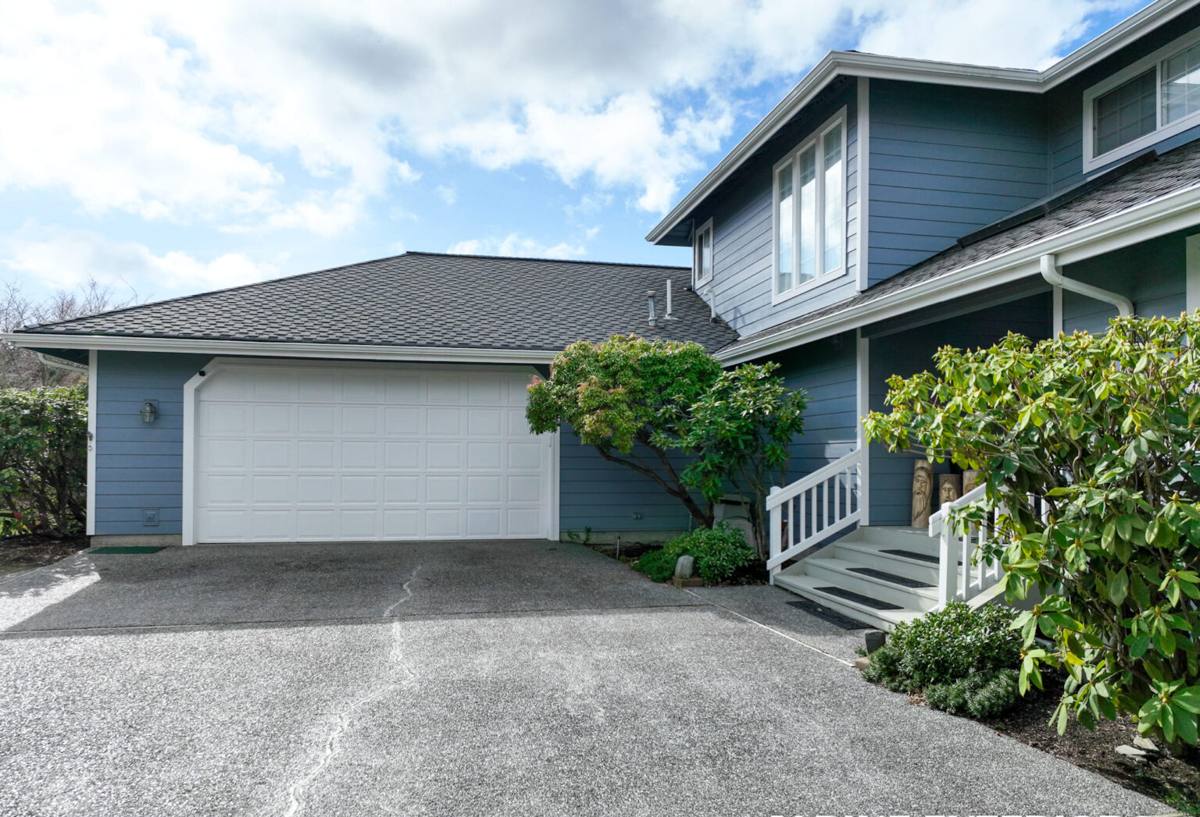
What Custer's Climate Actually Does to a Deck
Most deck problems we get called out to repair in this area trace back to the same handful of causes, and all of them are weather-driven:
- Moisture trapped against wood. Rain that can't drain or dry out fast enough sits in joints, under boards, and against ledger boards — this is where rot starts, not on the exposed top surface.
- Corrosion on fasteners and hardware. Salt-laden air moving inland from the bay accelerates rust on anything less than a truly corrosion-rated fastener, and a rusted joist hanger or bolt fails quietly, from the inside.
- Moss and algae growth. Shaded, damp decks in this area grow moss fast — it holds moisture against the wood surface and makes boards dangerously slippery underfoot.
- Freeze-thaw cycling at footings. Whatcom County doesn't get deep, sustained freezes every winter, but the cold snaps we do get can heave a shallow or undersized footing over several seasons.
None of this is unique to Custer, but the combination — salt air plus heavy rain plus long damp shoulder seasons — is a specific enough mix that generic deck-building advice from a drier climate doesn't fully apply.
Decking Material Options for This Area
There's no single "right" decking material for every Custer home — it depends on budget, how much upkeep you want to do, and how much shade the deck sits in. Here's how the common options actually perform in our conditions:
| Material | How it handles our rain and moss | Maintenance | Typical lifespan here |
|---|---|---|---|
| Pressure-treated pine/fir | Handles moisture fine when properly sealed; grows moss quickly in shaded, damp spots without upkeep | Re-stain or seal every 2-3 years | 15-20 years |
| Cedar | Naturally rot- and insect-resistant, but the surface still greys and can grow moss in shade without regular cleaning | Cleaning and oil/sealer every 1-2 years | 20-25 years |
| Composite decking | Sheds water well and resists moss better than wood, though algae can still form on the surface in constant shade | Occasional wash; no staining or sealing | 25-30+ years |
| PVC/capped decking | Fully waterproof board, best resistance to moss and staining of any option | Occasional wash | 25-30+ years |
We'll be straight with you: composite and PVC cost more up front, but if your deck sits under trees or on the shaded side of the house — common in Custer's more wooded lots — the reduced maintenance is worth discussing before you commit to wood.
Wood Still Makes Sense in the Right Spot
A deck in full sun, built with good drainage and airflow underneath, can do very well in cedar or quality pressure-treated lumber for a fraction of composite's cost. The decision isn't really "wood vs. composite" in the abstract — it's about your specific lot's sun exposure and how much time you want to spend maintaining it.
The Structural Details That Actually Matter
The decking surface is the part everyone sees, but the parts that fail first — and cost the most to fix — are underneath. This is where we spend the most attention, because it's also where corner-cutting is easiest to hide.
Ledger Board Flashing
Where the deck attaches to the house is the single most common point of rot failure we find on older decks in this area. Proper flashing — metal flashing integrated with the house's water-resistive barrier, not just caulk over the seam — keeps rain from working its way behind the ledger board and into the rim joist. Caulk alone fails within a few seasons under our rain volume.
Joist Protection
Every cut end and top edge of a joist should get a protective tape or coating before decking goes down. This is a small material cost that prevents the single most common spot for hidden rot — the exposed wood fibers at a cut end soak up water like a straw.
Footings Sized for This Ground
Footing depth and size need to account for the local frost line and, just as often around here, soft or poorly draining native soil. We size and place footings based on what the ground actually does on your lot, not a one-size-fits-all minimum.
Airflow and Drainage Underneath
A deck built low to the ground with poor airflow underneath stays damp for days after a storm passes. Where grading allows, we build in enough clearance and slope the ground beneath the deck away from the house so water has somewhere to go instead of sitting under your feet.
Fasteners and Hardware: Where Salt Air Does the Most Damage
This is the detail most likely to get shortcut, because rusted screws don't show up as a problem until years later. Custer's proximity to open water means airborne salt reaches further inland here than it does in landlocked parts of the county, and it works on metal continuously, not just during storms.
- Structural hardware — joist hangers, post bases, and structural screws — should be rated for ground contact and coastal exposure, not just standard galvanized.
- Decking fasteners should be stainless steel or a coating specifically rated for the fastener's contact with treated lumber's chemicals, which accelerate corrosion on the wrong metal.
- Fastener heads left exposed to weather and hosed by sprinklers corrode faster than sheltered hardware — this is a case where the small material upcharge is genuinely worth it over the life of the deck.
Mixing metal types, or using a fastener that isn't chemically compatible with modern treated lumber, is one of the more common mistakes we see corrected on older decks — often years after the fact, once a hanger has already failed.
Our Process for a Custer Deck Build
- On-site assessment. We walk the lot, look at drainage, sun/shade exposure, and how the deck ties into the house before recommending materials.
- Design and material selection. We talk through decking material, railing style, and layout based on your budget and how much maintenance you're willing to take on.
- Permitting. Deck permits in unincorporated Whatcom County and within Ferndale city limits go through different offices with different requirements — we handle that paperwork so it's not on you to figure out.
- Framing and flashing. Ledger attachment, footings, joists, and flashing go in first, and this is the stage we won't rush regardless of schedule pressure.
- Decking, railing, and finish work. Surface material goes down last, along with any railing, stairs, and lighting.
- Final walkthrough. We go over maintenance expectations specific to the material you chose before we consider the job done.
Keeping a Custer Deck Ahead of Moss and Moisture
Even a well-built deck needs some seasonal attention in this climate. A few habits go a long way toward avoiding the early failures we see on neglected decks:
- Sweep debris off the deck surface regularly in fall — wet leaves sitting on boards is one of the fastest ways to start moss growth and surface staining.
- Rinse or lightly brush shaded areas in late winter before moss gets a foothold, rather than waiting until it's established and slick.
- Check that gaps between deck boards stay clear so water can drain through rather than pool on the surface.
- Inspect the ledger board area and any visible fasteners once a year for rust streaking or soft wood, which are early warning signs, not emergencies yet.
- Reseal or re-stain wood decking on the schedule appropriate to the product — skipping a cycle in our climate costs more ground than it would in a drier region.
Why a Local Crew Matters for This Job
Deck-building fundamentals don't change from region to region, but the judgment calls do — how deep to set a footing given the soil on a particular Custer lot, how much flashing overlap to use given how hard the rain comes in off the water, which fastener grade actually holds up this close to salt air. A crew that works Ferndale, Custer, and the rest of Whatcom County regularly makes those calls based on what actually happens to decks around here, not on general building code minimums written for a much broader range of climates.
We also stand behind the work locally, which matters if a flashing detail or fastener choice needs a look years down the road. That's a different relationship than a crew that built your deck once and moved on to a different region.
Get a Straightforward Estimate
If you're planning a new deck in Custer or want an honest opinion on an existing one, we're glad to take a look and walk you through the options for your specific lot and budget. There's no pressure and no sales script — just a straight answer about what your deck needs. Use the form below to request a free estimate.