 Ferndale Siding
 Siding Built for the Kendall Area's Wet, Moss-Heavy Climate
Homes around Kendall deal with a version of Whatcom County weather that doesn't let up for long. Marine air off the Salish Sea pushes moisture inland most of the year, driving rain comes in sideways during fall and winter storms, and the tree cover and shaded lots common in this part of the county mean siding stays damp longer after every system passes through. Add a moss season that can run eight months or more, and you have conditions that punish any siding product that can't handle sustained moisture contact without swelling, rotting, or feeding algae growth.
We're a Ferndale-based crew, and Kendall is inside our regular service area — not a place we drive to occasionally for a one-off job. That matters more than most homeowners realize when it comes to siding, because the right installation details here are different from what a crew working a dry inland climate would default to.
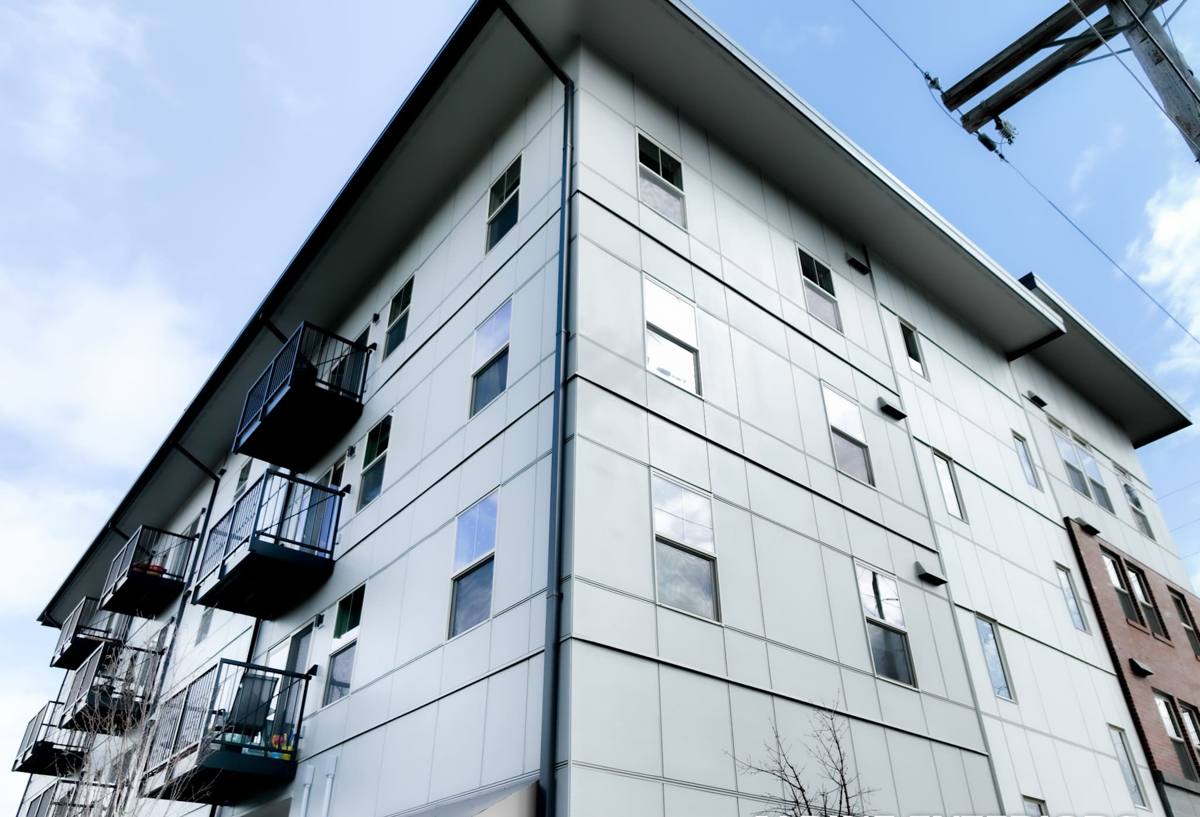
What Local Weather Actually Does to Siding Over Time
It helps to understand the specific ways this climate attacks a home's exterior, because it explains almost every decision we make on a Hardie installation.
Wind-Driven Rain
Storms moving through Whatcom County don't just drop water straight down — gusts push it sideways and upward, forcing moisture into laps, seams, and fastener points that a calmer climate would never test. Siding that isn't lapped, flashed, and caulked correctly at every penetration will eventually let water behind it, no matter how good the material is on its own.
Extended Moss and Algae Season
Cool, damp, and shaded conditions are exactly what moss and algae need to establish themselves, and much of the Kendall area offers all three for a large part of the year. Porous or absorbent siding surfaces give these organisms something to hold onto and feed on; siding that resists moisture absorption at the surface makes it far harder for growth to take hold in the first place.
Freeze-Thaw Cycling
Whatcom County doesn't see extreme cold most winters, but it sees enough freeze-thaw cycling that any siding material holding trapped moisture is at risk. Water that gets into a seam, expands when it freezes, and repeats that cycle over several winters will eventually crack or separate a product that wasn't engineered to handle it.
Why We Install Only James Hardie
We don't offer vinyl, LP SmartSide, cedar, primed spruce, or other fiber cement brands. That's a deliberate standard, not a limited product line. James Hardie fiber cement is non-combustible, dimensionally stable, and manufactured with a factory finish system that's specifically formulated to survive the kind of climate Kendall sits in. When we've weighed the maintenance burden, moisture performance, and long-term durability of the alternatives against Hardie, Hardie has been the product we're willing to put our name behind.
The HZ5 Product Line
Hardie engineers its siding by climate zone, and homes in this part of Washington fall into the HZ5 category — formulated for moisture-heavy, moderate-freeze regions like the Pacific Northwest. That's a meaningfully different product than the HZ10 line built for hot, dry, high-UV climates in the Southwest. Installing the correct zone-engineered product is one of the simplest ways to make sure siding performs the way it's supposed to for the local climate, and it's a detail that's easy for a crew unfamiliar with the region to get wrong.
ColorPlus Factory Finish
Hardie's ColorPlus finish is baked on in a controlled factory environment through multiple coats, rather than sprayed or rolled on site after installation. That finish process produces a more consistent, more UV- and moisture-resistant surface than field-applied paint, and it comes with its own finish warranty separate from the substrate warranty. In a climate where field-painted surfaces are exposed to rain within days of being applied, a factory-cured finish is a real practical advantage, not just a marketing point.
What a Correct Installation Involves
Fiber cement siding is only as good as the installation behind it. Hardie's own published installation instructions are specific for a reason — skipping steps is the single biggest cause of siding failures we see on homes that were sided by crews cutting corners on schedule or unfamiliar with the product.
Moisture Management Behind the Siding
Correct installation starts with a weather-resistant barrier and, in most cases, a rain screen gap that lets any moisture that does get past the siding drain and dry out instead of sitting against the sheathing. This is especially important on shaded, tree-covered lots that stay damp longer, which describes a good number of properties around Kendall.
Flashing and Clearance
Every window, door, roofline, and deck ledger needs flashing detailed to shed water outward, not trap it against the wall assembly. Siding also needs proper clearance from grade, roof lines, and horizontal surfaces — Hardie specifies minimum gaps for a reason, and closing those gaps up for a cleaner look is one of the most common mistakes that leads to rot years later.
Fastening and Joints
Hardie panels and lap siding need to be fastened at the correct spacing and depth — overdriven or underdriven fasteners both cause problems, from cracked edges to siding that isn't secure in wind. Butt joints need to be caulked or flashed per Hardie's specifications, not just butted tight and painted over.
Installation Checklist We Follow
- Confirm HZ5-rated Hardie product and correct panel or lap profile for the home
- Inspect and repair sheathing before covering it — no siding over rot or soft spots
- Install weather-resistant barrier with correctly lapped and taped seams
- Use a rain screen gap where the wall assembly calls for one
- Flash all windows, doors, and roof-to-wall transitions before siding goes on
- Maintain manufacturer-specified clearance from grade, decks, and roofing
- Fasten at correct spacing, depth, and location per Hardie's instructions
- Caulk and seal joints, corners, and penetrations with a compatible sealant
- Prime and paint any field-cut edges that expose raw fiber cement
Our Process, Start to Finish
The process is the same whether it's a full re-side or a targeted repair, just scaled to the scope of the work.
- On-site walkthrough: We look at the current siding, sheathing condition, moisture problem areas, and anything specific to the lot — shade, drainage, tree cover — that affects the job.
- Written estimate: A clear scope and price, including whether tear-off, sheathing repair, or additional flashing work is needed.
- Tear-off and inspection: Old siding comes off and the sheathing underneath gets inspected before anything new goes up. Damaged sheathing gets addressed, not covered over.
- Weather barrier and flashing: Barrier, rain screen, and flashing details go in first, since this is the layer that actually keeps water out long-term.
- Hardie installation: Panels or lap siding installed to manufacturer spec, with correct fastening, clearances, and joint treatment throughout.
- Trim, caulking, and cleanup: Trim details finished, all joints sealed, and the site cleaned of debris and old material.
- Final walkthrough: We go over the finished work with you before calling the job done.
Why a Local Crew Makes a Real Difference
Kendall sits within the area we work regularly out of Ferndale, and that has practical benefits beyond convenience. We're not learning Whatcom County weather patterns on your home — we already know what shaded, moisture-heavy lots need in terms of drainage and rain screen detailing, and we've made the HZ5 vs. HZ10 product call before. Warranty service and follow-up questions also go a lot smoother with a crew that's actually local and easy to reach, rather than a company that sided the house once and moved on to the next county.
Scheduling around Whatcom County's wetter months also matters. We plan installation timing to avoid siding a home mid-storm cycle whenever possible, since fiber cement needs a reasonably dry install window to go on correctly.
How Siding Materials Compare in This Climate
This is a general comparison based on how these materials behave under sustained moisture and moss exposure, which is the specific challenge homes in this area face.
| Factor | James Hardie Fiber Cement | Vinyl Siding | Wood / Primed Spruce |
|---|---|---|---|
| Moisture absorption | Very low | Doesn't absorb, but can trap moisture behind it if installed poorly | Absorbs readily; prone to swelling and rot |
| Moss/algae resistance | Good, especially with factory finish | Moderate; smooth surface but seams collect debris | Poor; porous surface holds moisture and organic growth |
| Finish durability | Factory-cured ColorPlus, separate finish warranty | Color molded through, can fade and become brittle | Field-painted; needs repainting on a recurring cycle |
| Fire performance | Non-combustible | Combustible, can melt/deform near heat | Combustible |
| Typical maintenance | Occasional rinse, periodic caulk check | Low, but repairs can be hard to color-match | Regular repainting/sealing, rot inspection |
What Affects the Cost of a James Hardie Project
Every home is different, so we don't quote a number without seeing the house, but these are the factors that generally move the price:
| Cost Factor | Why It Matters |
|---|---|
| Home size and stories | More square footage and taller walls mean more material and labor, plus added equipment for multi-story access |
| Tear-off scope | Removing and disposing of existing siding adds labor beyond a straight new install |
| Sheathing condition | Rot or damage found underneath old siding needs repair before new siding goes on |
| Panel vs. lap profile, trim detail | More complex trim, corner treatments, and architectural detail take more time to install correctly |
| Site access | Tree cover, tight lot lines, slopes, or limited driveway access can affect staging and labor time |
| Color and finish choice | Standard ColorPlus colors versus custom or field-painted options affect material cost |
Maintaining Hardie Siding in a Wet, Mossy Climate
James Hardie siding is low-maintenance compared to wood or field-painted alternatives, but "low-maintenance" isn't "no-maintenance" in a climate like this one. A few consistent habits go a long way:
- Rinse siding with a garden hose once or twice a year to clear pollen, dirt, and early moss growth before it establishes
- Keep gutters clear so overflow isn't running down the siding face during heavy rain
- Trim back vegetation and tree limbs that keep siding shaded and damp longer than necessary
- Check caulking at joints, corners, and trim annually and re-caulk any cracked or separated seams
- Watch for moss or algae building up in shaded, north-facing sections and address it early rather than letting it spread
- Repaint field-cut edges or touch up any chipped finish promptly to keep raw fiber cement from absorbing moisture
If you're weighing a siding replacement or repair for a home in the Kendall area, we're happy to take a look and give you a straightforward, no-pressure estimate — including an honest read on whether repair or full replacement makes more sense for your situation. Use the form below to get started.