 Ferndale Siding
 Siding Built for the Lummi Nation Shoreline, Not Just Any House
Homes in and around Lummi Nation sit close to the water, and that proximity shapes everything about how siding should be chosen and installed. Salt-laden wind off the Salish Sea, long stretches of driving rain through the fall and winter, and shaded, moisture-heavy conditions that feed moss growth all put more stress on an exterior wall than most siding products were ever designed to handle. A siding job that looks fine on day one but wasn't built for this specific combination of exposures tends to show its weaknesses within a few years, not a few decades.
This page is about one job in one place: installing James Hardie fiber cement siding correctly on homes near Lummi Nation, in Whatcom County. It's not a general overview of siding options — it's what we've learned about doing this specific work right in this specific climate.
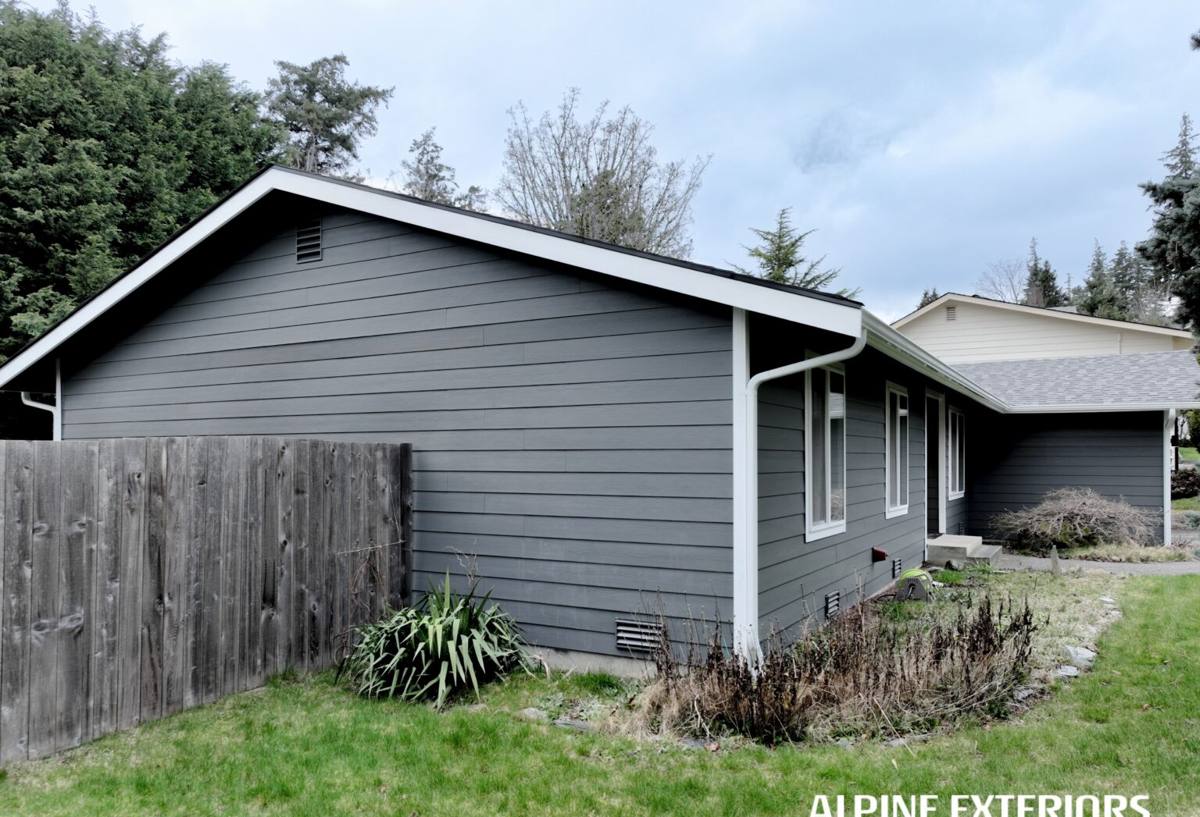
What Salt Air, Driving Rain, and Moss Season Actually Do to a Wall
Salt and Wind Exposure
Airborne salt from Bellingham Bay and the broader Salish Sea doesn't just affect homes sitting right on the waterfront. Wind carries fine salt particles well inland, and over years that salt accelerates corrosion on fasteners, flashing, and any metal trim that isn't rated for the exposure. It also degrades cheaper paint films and coatings faster than inland weathering would, which is part of why factory-applied, baked-on finishes hold up so much better here than field-applied paint.
Moisture and Rain Exposure
Whatcom County gets long stretches of steady, driving rain rather than short, heavy downpours. That matters for siding because it's not really about how much water hits the wall — it's about how long the wall stays wet. Products that absorb moisture, swell, or trap water behind them are at a real disadvantage when a wall can stay damp for days at a stretch through the wet season. Correct flashing and drainage details matter more here than in a drier climate, because there's simply less opportunity for the wall assembly to dry out between rain events.
Shade, Moss, and Slow-Drying Walls
Many lots in this area carry mature tree cover, and combined with our short winter daylight hours, that means north- and west-facing walls in particular can stay shaded and damp for long periods. That's the exact environment moss and algae favor. Once organic growth establishes on a wall, it holds moisture against the surface even longer, which compounds the problem. Siding material and finish quality both affect how much moss actually takes hold and how easily it can be cleaned off without damaging the surface underneath.
Why We Only Install James Hardie Fiber Cement Siding
We made a deliberate decision as a company to install only James Hardie fiber cement siding — not vinyl, not LP SmartSide, not cedar, not other fiber cement brands. That's not a marketing position; it's a practical one built around what actually holds up in this climate.
Fiber cement itself is non-combustible and dimensionally stable — it doesn't expand and contract with moisture and temperature the way wood-based products do, and it doesn't soften or deteriorate when it stays wet for extended periods the way some engineered wood siding can. James Hardie's ColorPlus finish is baked on at the factory under controlled conditions, which gives it much better resistance to fading, chalking, and the kind of coastal weathering that breaks down field-applied paint faster than most homeowners expect. Hardie also engineers specific product lines (the "HZ" designations) for different climate zones, which is directly relevant here — this region calls for a product built to handle sustained moisture exposure, not one optimized for a dry inland climate.
None of this means other products are junk. LP SmartSide, vinyl, and cedar all have real markets and real advantages in the right application. But given what salt air, constant rain, and moss season do to a wall here, we standardized on the one product system we're confident holds up to spec over the long haul, backed by a strong transferable warranty.
What a Correct Fiber Cement Siding Job Actually Involves
Fiber cement siding is only as good as its installation. The material itself is durable, but nearly every siding failure we get called out to inspect traces back to installation shortcuts, not a defective product.
Flashing and Water Management First
Before a single piece of siding goes up, the water management layer has to be right: house wrap or weather-resistive barrier installed correctly, window and door flashing integrated so water sheds outward and downward at every layer, and kick-out flashing at roof-to-wall intersections so runoff doesn't get funneled directly behind the siding. In a climate with this much sustained rain, a flashing mistake doesn't show up as a leak next week — it shows up as rot two or three years later, hidden behind siding that still looks fine from the street.
Fastening, Clearances, and Panel Gaps
James Hardie specifies exact nailing patterns, fastener types, and minimum clearances from grade, roof lines, and other trim. Skipping the manufacturer's clearance requirements is one of the most common shortcuts we see on other contractors' work — it looks fine at first, but it sets siding up to wick moisture from the ground or from a roofline that sheds water directly onto it.
Caulking, Trim, and Joint Details
Every joint, corner, and trim intersection needs the right sealant, applied correctly, or it becomes a water entry point. Given how long walls here can stay damp, sloppy caulk work doesn't just look bad — it actively traps moisture instead of shedding it.
Choosing the Right Hardie Product Line for This Property
Not every Hardie product is the right fit for every wall, especially with mixed sun and shade exposure common on wooded Lummi Nation-area lots. Here's how the main options compare for this kind of climate:
| Product | Best Suited For | Climate Consideration Here |
|---|---|---|
| HardiePlank Lap Siding | Most home exteriors, traditional lap look | Wide range of ColorPlus finishes; good all-around performance against rain and salt air with correct flashing |
| HardiePanel Vertical Siding | Modern accents, gable ends, mixed-material facades | Fewer horizontal joints means fewer potential water entry points on rain-exposed walls |
| HardieShingle Siding | Accent areas, dormers, decorative sections | More surface texture can hold moisture and shade-grown moss longer if not detailed and maintained properly |
| HardieTrim Boards | Corners, window and door trim, fascia | Matched expansion behavior with the field siding reduces gap and caulk failures over time |
On shaded, moisture-heavy walls we tend to favor smoother-textured ColorPlus finishes and tighter attention to drainage detailing over heavily textured shingle profiles, simply because smooth surfaces shed water and resist moss buildup more easily.
Cost Factors on a Lummi Nation-Area Siding Project
Every project is different, but the same handful of factors drive most of the cost variation we see on jobs in this area:
| Factor | Why It Matters Here |
|---|---|
| Existing siding removal and sheathing condition | Coastal moisture exposure sometimes means hidden rot behind old siding that has to be repaired before new siding goes on |
| Flashing and water-management scope | Homes with complex rooflines or multiple wall-roof intersections need more flashing detail work |
| Product line and profile selection | Panel, plank, and shingle profiles carry different material and labor costs |
| Trim and accent complexity | Multiple gables, dormers, or mixed-material facades add labor time |
| Site access | Tree cover, slope, and driveway access on wooded lots can affect staging and scaffolding needs |
We won't quote a number without seeing the property, but we're upfront during the estimate about which of these factors are driving the price on your specific home.
How Our Process Works
- On-site walkthrough to assess existing siding condition, sheathing, and any moisture damage already present
- Discussion of Hardie product line, profile, and ColorPlus color options suited to the home's exposure
- Written estimate that breaks out removal, repair, flashing, and installation scope separately
- Correct flashing and weather-barrier installation before any siding goes up
- Installation to James Hardie's fastening, clearance, and joint specifications
- Final walkthrough covering care and what to watch for through the first wet season
Maintaining Fiber Cement Siding Through Moss Season
James Hardie siding needs far less upkeep than wood or engineered wood siding, but "low-maintenance" isn't "no-maintenance" — especially on shaded walls in this climate. A simple seasonal routine keeps siding performing the way it's designed to:
- Rinse shaded and north-facing walls periodically to keep moss and algae from establishing, rather than waiting until growth is visible and stained
- Keep gutters and downspouts clear so runoff doesn't sheet directly down siding during heavy rain
- Trim back tree branches and shrubs that keep walls shaded and slow to dry
- Inspect caulking at trim joints and penetrations every year or two and re-caulk before gaps open up
- Watch for any soft spots, staining, or gaps at the base of the siding near grade, which can indicate a flashing or clearance issue
Why a Crew That Already Works This Area Matters
A contractor who mostly works drier, inland projects can install fiber cement siding competently and still miss the details that matter most here — the flashing sequence at a shaded roof-to-wall intersection, the clearance a plank needs above grade on a lot that stays damp longer than average, or which ColorPlus finish actually resists moss staining on a north-facing wall. Those aren't things you learn from a manufacturer's install manual alone; they come from doing this work repeatedly in this exact climate, on homes dealing with the same salt air, rain patterns, and moss pressure yours does.
That local, repeated experience is also why we're comfortable standing behind the installation, not just the material. A siding system is only as good as its weakest detail, and knowing which details this coastline actually punishes is what separates a job that looks good for a season from one that holds up for decades.
If you're weighing a siding replacement or repair on a Lummi Nation-area home, we're happy to walk the property, look at what's there now, and talk through what correct James Hardie installation would look like for your specific exposure — no pressure, no obligation. Use the form below to request a free estimate.