 Ferndale Siding
 Windows Take a Different Kind of Beating in Lummi Nation
Homes in and around Lummi Nation sit close to the water, and that changes what a window has to survive day to day. Salt-laden air off the bay works into aluminum hardware, vinyl weep systems, and exposed fasteners in a way that inland Whatcom County homes just don't deal with. Add driving rain that comes in sideways during winter storms, and a moss season that can stretch from October well into spring, and you've got a climate that finds every weak point in a window system within a few years, not a few decades.
This page is specifically about window replacement for homes in the Lummi Nation area near Ferndale — not siding, not roofing, not a general overview. If you're noticing drafts, fogged glass, or windows that stick, this is what's actually going on and what a correct fix looks like.
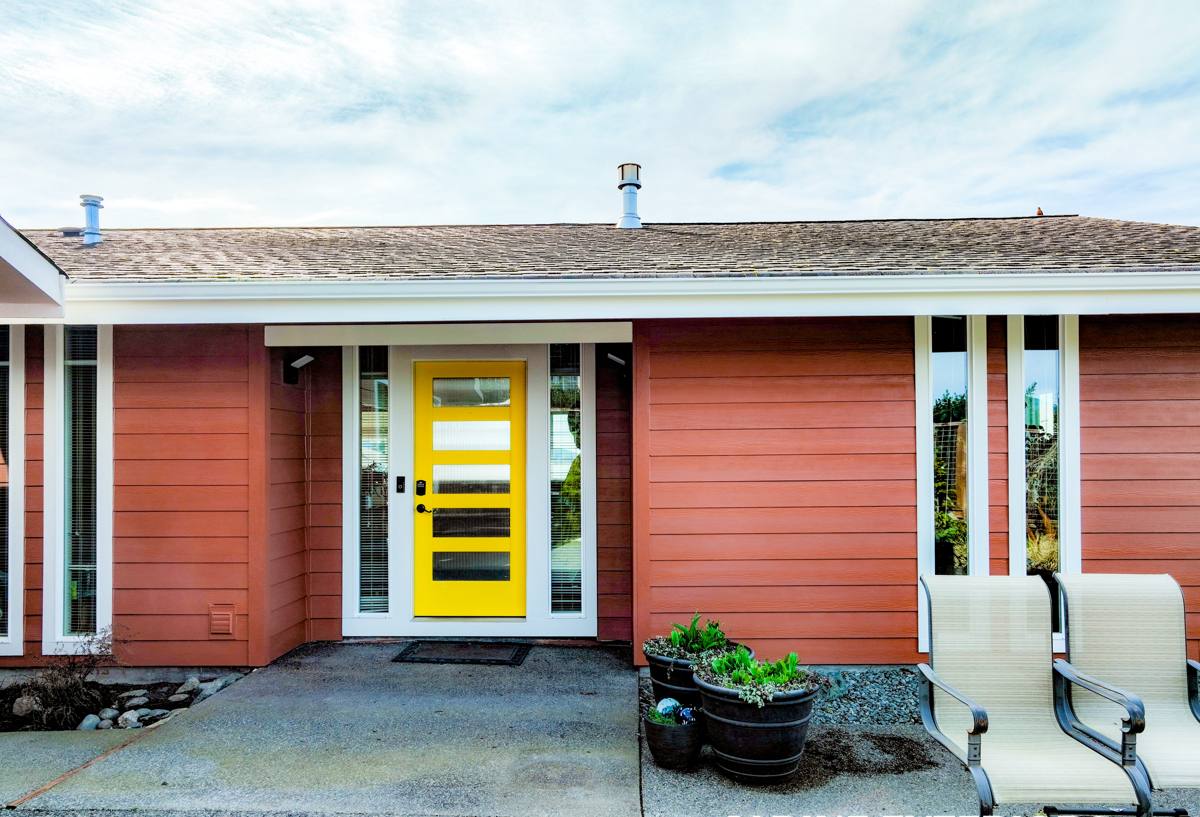
What Salt Air, Rain, and Moss Actually Do to a Window
Salt Air and Hardware Corrosion
Salt in the air settles on everything, including the parts of your window you can't see — the locking mechanisms, the balance springs in the frame, and any exposed metal screws or hinges. Over time that corrosion causes locks to seize, cranks to strip, and hardware to fail well before the glass or frame itself gives out. On older aluminum-frame windows, corrosion can also pit the frame surface, which breaks down paint and finish adhesion.
Driving Rain and Water Intrusion
Wind-driven rain off the water doesn't just hit a window head-on — it gets pushed sideways and upward into gaps that would stay dry in a calmer climate. If the flashing, sill pan, or sealant around a window was installed with any shortcuts, water finds its way behind the trim and into the wall framing. That's a slow, hidden problem that often isn't obvious until there's staining, soft drywall, or a musty smell inside.
Moss and Prolonged Moisture Exposure
Moss doesn't grow on the glass, but it grows in the shaded, damp conditions that surround a lot of homes here — on sills, on nearby trim, and in any spot where water sits instead of draining. That constant low-level moisture keeps wood components wet for longer stretches, which accelerates rot in old wood-sash windows and keeps humidity pressed against window seals for more of the year.
Signs Your Windows Need Replacing, Not Just Repair
- Fogging or a hazy film between the panes of a double-pane window — the seal has failed and can't be restored
- Locks or cranks that are stiff, corroded, or no longer catch properly
- Visible gaps or soft, spongy wood at the sill or lower frame corners
- Noticeable draft or cold air near the frame on a windy day, even with the window latched
- Condensation forming on the inside of the glass regularly, especially in bathrooms or kitchens
- Difficulty opening or closing the sash smoothly, or a window that's been painted or screwed shut
- Visible daylight around the frame from outside, or peeling paint concentrated around the window opening
One or two of these on a single window might just need repair. Several of these across multiple windows, or any sign of water damage in the surrounding wall, usually means replacement is the more honest fix — patching a failing window in this climate tends to buy a season or two at best.
What a Correct Window Replacement Involves Here
The window unit itself matters, but in a salt-air, high-rain environment, the installation details matter just as much — arguably more. A quality window installed poorly will leak and corrode just as fast as a cheap one. Here's what we treat as non-negotiable on every job in this area:
- Full removal and inspection of the old frame and surrounding sheathing to check for hidden rot or water staining before anything new goes in
- Sill pan flashing that directs any water that gets past the window back outside instead of into the wall cavity
- Proper head and side flashing integrated with the house wrap or building paper, shingled correctly so water always sheds downward and outward
- Marine-grade or corrosion-resistant sealants and fasteners around the frame, since standard hardware degrades faster this close to the water
- Correct shimming and squaring so the sash operates smoothly and the weatherstripping seats evenly — a racked frame will leak no matter how good the caulk job is
- Interior and exterior trim sealed and finished to shed water and resist the moss and mildew growth that thrives in shaded, damp spots
Choosing Window Materials for a Coastal, High-Moisture Property
Material choice is where a lot of homeowners get steered wrong. Every option has real trade-offs, and the right answer depends on your home's exposure, budget, and how much upkeep you want to take on.
| Material | Salt Air Performance | Maintenance | Trade-offs |
|---|---|---|---|
| Vinyl | Good — won't corrode or rust | Low; occasional cleaning | Frame can flex in large sizes; color options more limited |
| Fiberglass | Very good — stable and corrosion-resistant | Low | Higher upfront cost than vinyl |
| Aluminum | Poor to fair without upgraded coatings | Moderate to high near the coast | Prone to hardware and frame corrosion over time in salt air |
| Wood / Wood-clad | Fair — depends heavily on finish upkeep | High | Attractive, but exposed wood needs consistent refinishing to resist moss and rot here |
For most Lummi Nation homes, we steer clients toward vinyl or fiberglass for exterior-facing exposures because they hold up with the least maintenance burden. If you want the look of painted wood trim, we'll talk through what upkeep that actually requires in this environment so you're deciding with full information, not guessing.
Our Process, Start to Finish
- On-site assessment — we look at each window individually, note exposure to prevailing wind and rain, and check for any existing water damage
- Honest recommendation — repair where it makes sense, replace where it doesn't, with reasoning you can follow
- Written estimate — clear on materials, scope, and timeline, no vague allowances
- Removal and prep — old units out, framing inspected and repaired if needed before anything new is installed
- Installation — flashing, sealing, and finishing done to hold up against this specific climate, not a generic install
- Walkthrough and cleanup — every window operated and checked with you before we consider the job done
Cost Factors for Window Replacement Near Ferndale and Lummi Nation
| Factor | Why It Matters Here |
|---|---|
| Number and size of windows | Larger and more exposed windows need more flashing detail and take longer to install correctly |
| Frame material | Vinyl and fiberglass generally cost less long-term in upkeep than aluminum or wood in this climate |
| Existing water damage | Rotted sheathing or framing found during removal adds repair scope before the new window can go in |
| Wind and rain exposure | West- and water-facing walls often warrant upgraded flashing and sealant details |
| Access | Second-story or hard-to-reach windows take more setup time and labor |
We won't quote a per-window price on a page like this because it depends entirely on what we find at your home — but we can tell you honestly what's driving cost once we've looked at the actual windows.
Why Local Experience in Lummi Nation Specifically Matters
A crew that mostly works inland jobs in warmer, drier parts of Whatcom County can still install a window competently — but they may not think to upgrade flashing details or hardware for salt exposure, because they haven't had to fix the callbacks that come from skipping it. Working this coastline regularly means we've seen which shortcuts fail first here: it's almost always at the sill flashing, the hardware, or the trim sealant, not the glass itself. That experience shapes how we spec and install every job in this area, not just the expensive ones.
Keeping New Windows Performing Long-Term
A correct installation gets you most of the way there, but a little seasonal attention extends the life of any window in this climate:
- Rinse salt residue off exterior frames and glass periodically, especially after storms
- Keep gutters and nearby drainage clear so water doesn't pool against sills or trim
- Clear moss or debris from window sills and tracks before it holds moisture against the frame
- Operate locks and cranks a few times a year even on windows you don't open often, so hardware doesn't seize
- Check exterior caulk lines annually and have gaps resealed before water gets behind them
If your windows are drafty, fogged, hard to operate, or you're just planning ahead for a coastal-grade replacement, we're happy to come take a look. We offer free, no-pressure estimates for Lummi Nation homeowners — use the form below to get one scheduled.