 Ferndale Siding
 Custom Windows Built for Lynden's Weather
Lynden sits inland from the coast, but it doesn't escape Whatcom County's marine-influenced weather. Moisture moving in off the Salish Sea, long stretches of driving rain, and a moss season that can run half the year all put real stress on window frames, sills, and seals. When we talk about "custom windows" for a Lynden home, we're not just talking about non-standard sizes for an older farmhouse or a remodel — we're talking about matching the window assembly, the flashing detail, and the glass package to what this specific climate does to a house over time.
A window that's a great fit for a dry inland climate can underperform here. One that's built and installed with this region's rain and humidity in mind will hold up, stay sealed, and keep your energy bills predictable for decades. That's the standard we hold every Lynden installation to.
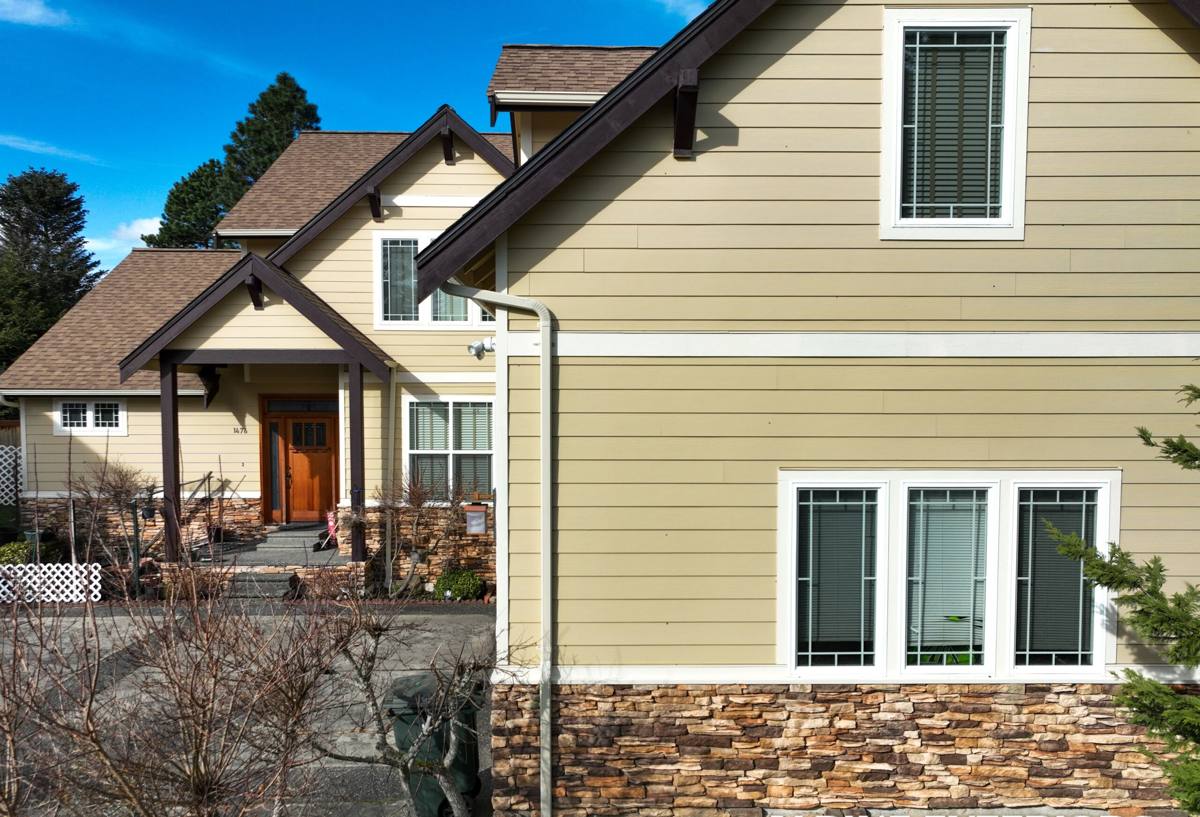
Why Lynden Homes Have Particular Window Needs
Older and Farmhouse-Style Homes
Lynden has a good number of older homes, including farmhouses and early-1900s construction, where original window openings are rarely a standard modern size. These homes often have wood-frame construction with decades of paint layers, settled framing, and sills that have taken on water over the years. Replacing windows here isn't a simple swap — it usually means custom-sized units, careful removal to check for hidden rot, and rebuilding the flashing detail correctly since older homes were rarely built with modern weather barriers in mind.
Newer Construction and Additions
Newer Lynden homes and additions still deal with the same driving rain and humidity, just with different failure points — usually factory seals that weren't installed with enough attention to flashing sequence, or builder-grade glass packages that weren't upgraded for the local climate. Custom sizing matters less here, but proper installation matters just as much.
Ag-Adjacent and Rural Properties
A lot of Lynden properties border farmland or open fields, which means more airborne moisture, more exposure to wind-driven rain with fewer windbreaks, and faster moss and algae buildup on north- and west-facing exteriors. Window trim and sills in these conditions need detailing that sheds water fast and doesn't give moss anywhere to take hold.
What "Custom" Actually Means
Custom doesn't mean expensive or elaborate — it means the window is specified to fit your opening, your home's construction, and your climate exposure, rather than pulled off a generic size chart. That includes:
- Exact-fit sizing for openings that have shifted or were never standard to begin with
- Frame material chosen for the specific exposure of that wall (south/west walls take more weather than north/east)
- Glass packages matched to sun exposure, privacy needs, and energy goals
- Grille and profile styles that match the home's existing architecture, especially on older Lynden homes where mismatched replacement windows stand out
- Flashing and sill pan details specified for wood, vinyl, or fiber cement siding — whatever the home actually has
Signs Your Current Windows Are Working Against You
Most window failure in this climate is slow and easy to miss until it's expensive. Walk your home and check for these:
- Fogging or a hazy film between panes of double-pane glass — a sign the seal has failed and the gas fill is gone
- Noticeable drafts near the frame, especially during wind-driven rain
- Soft, spongy, or dark-stained wood at the sill or lower frame
- Moss or dark streaking on the trim or siding directly around the window
- Windows that stick, won't stay open, or are hard to lock
- A rise in heating costs without any other explanation
- Condensation forming on the inside of the glass during cold, wet weeks
Any one of these on its own isn't an emergency. Several at once, especially combined with visible sill damage, usually means the window and the wall behind it need a closer look before it's just a window problem.
Comparing Window Materials for This Climate
There's no single "best" window material — the right choice depends on the wall's exposure, the home's style, and how much upkeep you want to take on. Here's how the common options stack up for a wet, moss-prone climate like Whatcom County's:
| Material | Moisture Resistance | Maintenance | Relative Cost | Best Fit |
|---|---|---|---|---|
| Vinyl | Very good — won't rot, minimal seam risk if installed correctly | Low | Lower | Most Lynden homes, budget-conscious replacements |
| Fiberglass | Excellent — very stable, resists warping in wet/dry cycles | Low | Mid to higher | High-exposure walls, long-term durability priority |
| Wood-Clad | Good on the exterior, but interior wood needs protection from condensation | Higher | Higher | Historic or architecturally detailed homes |
| Aluminum-Clad Wood | Good exterior protection, but more sensitive to installation quality | Moderate | Higher | Custom architectural projects |
We install a range of these depending on the home. What matters more than the material itself is whether the installation accounts for this region's rain — a premium window installed without proper flashing will fail faster than a mid-range window installed correctly.
Our Installation Process
Every custom window job follows the same core sequence, whether it's one window in an old farmhouse or a full-home replacement:
- On-site assessment and measurement — we check the opening, the framing condition, and the exterior wall assembly before recommending anything.
- Product and glass selection — matched to that wall's sun and rain exposure, plus your goals for energy performance and appearance.
- Careful removal — old windows come out cleanly, with the framing and sheathing behind them inspected for hidden water damage or rot before anything new goes in.
- Flashing and weather barrier integration — this is where most window failures in this climate actually start, so we treat it as its own step, not an afterthought.
- Setting, shimming, and leveling — a window that's slightly out of square will never seal correctly, no matter how good the product is.
- Insulation and air sealing — gaps around the frame are sealed properly, not just stuffed with fiberglass.
- Trim and finish work — interior and exterior trim completed to match the home.
- Final walkthrough — we test operation, check seals, and walk you through care before we call the job done.
Flashing and Moisture Management: The Part Nobody Sees
You'll never look at your windows and see the flashing detail behind the trim, but it's the single biggest factor in whether a window lasts 10 years or 30 in a climate with this much driving rain. Correct installation means a sill pan that directs any water that gets past the glass back outside instead of into the wall cavity, flashing tape integrated with the home's existing weather barrier in the right shingle-lap order, and sealant used at the right points — not everywhere, which can actually trap moisture instead of releasing it.
This is also where a lot of past window trouble on Lynden homes traces back to. A window itself rarely fails outright; what fails is the water management around it, slowly, over several wet seasons, until there's rot in the framing that's more expensive to fix than the window replacement would have been.
Energy Performance in a Marine Climate
Whatcom County doesn't get extreme heat or extreme cold most years, but it does get long stretches of damp, gray, cool weather — the kind that makes a poorly sealed window a constant, low-grade energy drain rather than a dramatic one. A properly installed, well-sealed window with an appropriate glass package (low-E coatings and the right gas fill for our climate) makes the biggest difference not in a single cold snap, but in the cumulative heating load across a typical Lynden fall, winter, and spring.
Why Hire a Crew That Already Works in Lynden
Window installation looks straightforward from the outside, but the details that actually matter — flashing sequence, sill pan integration, matching custom sizes to a shifted 90-year-old opening — are exactly the details that don't show up until years later when something fails. A crew that regularly works Whatcom County homes has already seen how local moisture, moss, and driving rain expose weak installation work, and builds around it from the start instead of learning the hard way.
We also know the practical side of working in Lynden: home styles that are common in the area, what older construction typically hides behind the trim, and how to sequence a job around this region's weather so window openings aren't sitting open during a wet stretch.
If your windows are drafty, fogged, difficult to operate, or just original to a home that's overdue for an upgrade, we're happy to take a look. Reach out for a free, no-pressure estimate — we'll assess your windows honestly and tell you what actually needs doing, using the form below.