 Ferndale Siding
 Metal Roofing Built for Lummi Nation's Coastal Exposure
Lummi Nation sits on a peninsula with water on multiple sides, which means homes here take a different kind of weathering than houses just a few miles inland in Ferndale. Salt-laden air moves through constantly, wind-driven rain finds its way under anything that isn't sealed correctly, and the long gray stretch of fall through spring gives moss and algae months to get established on any roof surface that stays damp. A metal roof can handle all of that better than most other roofing materials — but only if it's specified and installed with this exact environment in mind. A metal roof installed the same way you'd install one in a dry inland climate will not hold up the same way out here.
This page covers what actually matters for a metal roofing project in Lummi Nation: what the local climate does to a roof over time, what a correct installation looks like, how we approach these projects, and what to expect for upkeep and cost.
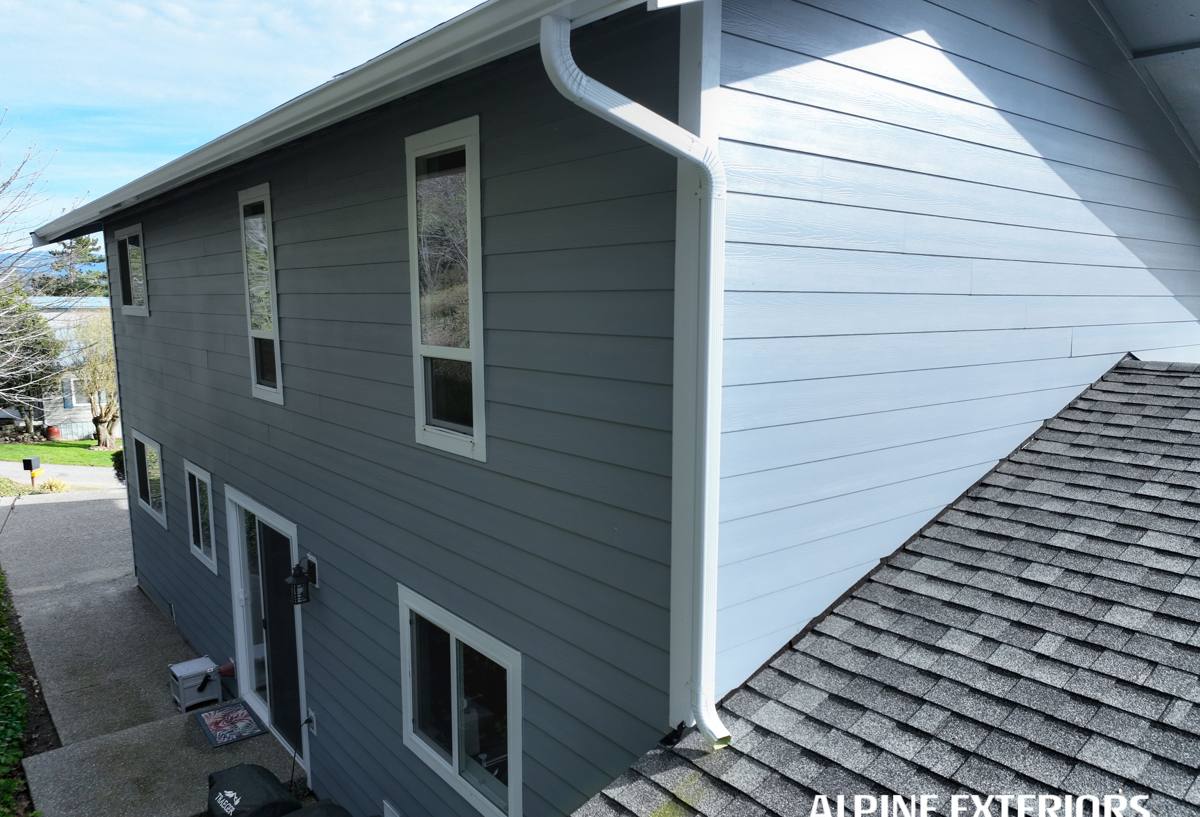
What Salt Air, Wind-Driven Rain, and Moss Do to a Roof Here
Salt Air and Corrosion
Airborne salt is corrosive to bare or poorly coated metal, and it doesn't take a direct ocean view for it to matter — wind carries salt spray well inland from open water. Over years, uncoated fasteners, cut edges that weren't properly treated, and lower-grade coatings will show rust and pitting long before the panel itself fails. This is why panel material, coating type, and even the grade of fastener used matter more here than they would on a similar roof twenty miles inland.
Wind-Driven Rain
Storms coming off the water don't just drop rain straight down — they push it sideways, up under laps, and into any gap in flashing or underlayment. A roof that would shed water fine in a calm rain can leak in a sideways storm if the underlayment, valley work, and flashing details weren't built for wind-driven moisture. This is one of the most common causes of roof leaks we see on homes in this area, and it's almost always a detailing issue, not a material one.
Moss and Organic Growth
Whatcom County's damp, shaded, mild winters are ideal for moss, and roofs with any organic debris buildup — needles, leaf litter, overhanging branches — will grow it. On asphalt shingles, moss roots into the material and shortens its life. Metal doesn't give moss the same foothold, but debris can still collect in valleys and at panel laps, holding moisture against the surface and, over time, undermining coatings and inviting corrosion at those contact points.
Choosing a Metal Roofing System for This Climate
Not every metal roofing product is a good fit for a marine climate, and the differences aren't cosmetic — they affect how long the roof lasts before it needs attention.
Standing Seam vs. Exposed Fastener Panels
The biggest decision on most projects is whether to go with a standing seam system (concealed fasteners, raised interlocking seams) or an exposed fastener panel (screws driven through the panel face, typically with rubber-gasketed washers). Both can be legitimate choices depending on the home, the budget, and the roof's exposure — but they age differently in salt air.
| Feature | Standing Seam | Exposed Fastener |
|---|---|---|
| Fastener exposure | Concealed under the seam, not exposed to weather | Exposed on the panel face, exposed to sun, rain, and salt |
| Long-term maintenance | Very low — no fastener seals to monitor | Gasket washers degrade over time and need periodic inspection or replacement |
| Typical lifespan in coastal air | Longer, with proper coating and flashing | Shorter fastener-related maintenance cycle, though the panel itself still lasts |
| Upfront cost | Higher | Lower |
For homes with direct exposure to open wind and salt spray, we generally recommend standing seam. For more sheltered homes or budget-driven projects, a well-installed exposed fastener system with a marine-rated coating and stainless or coated fasteners can still perform well — the installation quality matters more than the category.
What a Correct Installation Involves
The panel is only part of a metal roof system. What's underneath and around it determines whether the roof actually performs in this climate.
- Ice and water shield at vulnerable areas — valleys, eaves, and roof-to-wall transitions get self-adhered waterproof membrane, not just standard underlayment, because these are where wind-driven rain finds its way in first.
- Full synthetic underlayment across the rest of the roof as a secondary water barrier beneath the metal.
- Corrosion-appropriate fasteners and flashing — matched metals or properly isolated dissimilar metals, since two different metals in contact in a damp, salty environment can corrode each other galvanically.
- Proper panel overlap and seam direction relative to prevailing wind and water flow, not just a straight run down the roof.
- Ventilation that still works with the metal panel profile, so moisture from inside the attic isn't trapped against the underside of the roof deck.
- Sealed penetrations at every vent, pipe boot, and chimney flashing, using sealants and boots rated for long-term UV and moisture exposure, not general-purpose caulk.
Skipping any one of these doesn't usually cause an immediate problem — it shows up as a leak or corrosion issue two, five, or ten years later, which is exactly why installation quality matters more than which brand of panel is on the roof.
Our Process for Lummi Nation Metal Roofing Projects
We walk every project through the same steps, adjusted for the specific home:
Assessment
We inspect the existing roof deck, ventilation, and any current moisture or moss issues before recommending a system. Wind exposure and how close the home sits to open water factor into what we recommend.
Tear-off vs. Overlay Decision
Metal can sometimes be installed over an existing roof, but in a climate this wet, we're cautious about that — trapped moisture under a new metal roof is a bigger long-term problem than the labor saved by skipping tear-off. We'll tell you honestly which approach fits your roof rather than defaulting to whichever is faster for us.
Install
Deck repair if needed, underlayment and waterproofing at vulnerable areas, panel installation, flashing, and ventilation — done in that order, with each stage checked before the next begins.
Walkthrough and Cleanup
We walk the finished roof and the property with you, clear debris and fasteners from the yard and gutters, and go over what maintenance the specific system you chose will need going forward.
Maintenance in a Marine, Mossy Climate
Metal roofing is genuinely low-maintenance compared to shingles, but "low-maintenance" isn't "no-maintenance" out here. A few habits go a long way toward getting the full lifespan out of the system:
- Clear needles, leaves, and debris from valleys and gutters at least once or twice a year — more often if there are overhanging conifers.
- Trim back branches that overhang the roof to cut down on moss spore contact and debris buildup.
- Have flashing, sealant, and (on exposed fastener systems) fastener washers visually checked periodically, especially after major windstorms.
- Rinse accumulated salt film off the roof surface occasionally if the home has direct, unobstructed exposure to open water.
- Watch for staining or discoloration at any point where a metal roof accessory (vent, satellite mount, antenna bracket) contacts the panel — that's often where galvanic corrosion starts.
- Keep gutters and downspouts clear so water isn't backing up against the eave edge during heavy rain.
Why Local Experience in This Area Matters
A roofing crew that mostly works dry, inland jobs will spec and install a metal roof the same way regardless of where it's going up. That's how you end up with premature fastener corrosion, leaks at valleys that weren't detailed for wind-driven rain, or moss and debris problems that a slightly different flashing and gutter approach would have avoided. Working regularly on homes in Lummi Nation and the surrounding Ferndale area means we know how exposed a given site is likely to be, what the wind and rain patterns actually do to a roof here, and which details are worth the extra time versus which are optional. It also means straightforward, honest scheduling and permitting familiarity with Whatcom County requirements — no learning curve on your project.
What Metal Roofing Costs Depend On
We don't publish fixed prices because every roof is different, but the real cost drivers are consistent across projects:
| Factor | Why It Matters |
|---|---|
| Panel system (exposed fastener vs. standing seam) | Standing seam costs more upfront but needs less long-term fastener maintenance |
| Coating and gauge | Heavier gauge and marine-rated coatings cost more but resist corrosion better in salt air |
| Tear-off vs. overlay | Tear-off adds labor and disposal cost but avoids trapping moisture under the new roof |
| Roof complexity | Valleys, dormers, and multiple roof planes add flashing work and installation time |
| Deck condition | Rot or damage found during tear-off may need repair before panels go on |
| Ventilation upgrades | Bringing attic ventilation up to standard adds cost but protects the roof from the inside out |
We'll walk you through exactly which of these apply to your home and why, so you understand what you're paying for rather than just getting a single number.
Get a Straight Answer on Your Roof
If you're weighing a metal roof for a home in Lummi Nation, we're happy to take a look, talk through what your specific roof and exposure call for, and give you an honest recommendation — including telling you if a full metal system isn't the right fit for your budget or timeline. Use the form below to request a free, no-pressure estimate.