 Ferndale Siding
 New Construction Windows in Lynden: Getting It Right Before the Siding Goes On
Lynden sits a little inland from Ferndale, out toward the farmland and the Nooksack River bottomland, but it shares the same Whatcom County weather that shapes every building decision on this side of the state. New construction is a different job than window replacement — there's no existing frame to reference, no old flashing to learn from, and no second chance once the siding crew shows up and covers your work. On a new build, the window installation has to be right the first time, coordinated with the framer, the weather-resistive barrier (WRB) installer, and the siding contractor, all before anyone can see whether it was done correctly. That's the job we're describing here: new-construction window installation specifically for homes going up in and around Lynden.
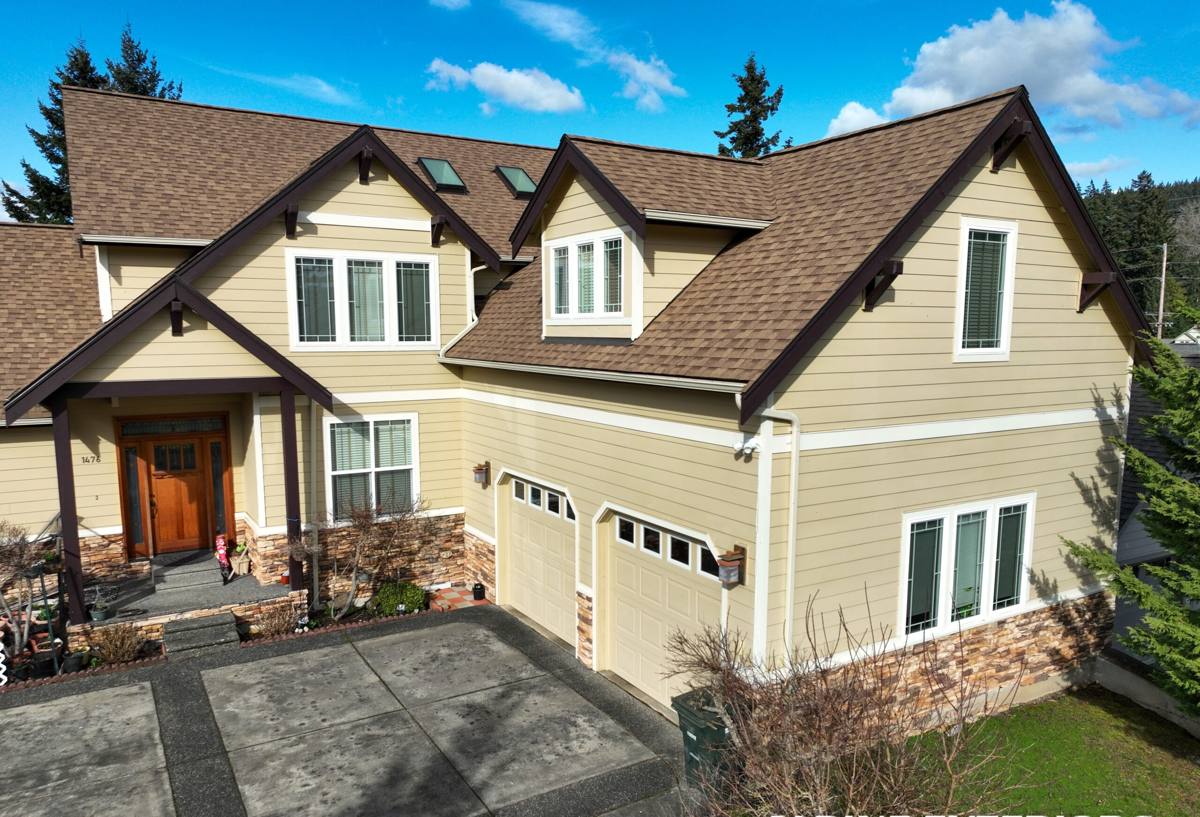
What Whatcom County Weather Asks of a New Window Install
Every window opening in this county gets tested by the same three things over and over: wind-driven rain, a long stretch of damp, low-light months that grow moss on anything that stays wet, and salt-laden air moving in off the Sound. New construction gives us the chance to build in protection against all three before the house is even closed in — which is a real advantage over trying to fix a leak after the drywall's up.
Driving rain and wind-direction
Storms here don't just fall straight down — they come in sideways off open farmland and push water up under trim and around window edges that weren't detailed for lateral pressure. A rough opening that's flashed only to keep out vertical rain will eventually leak in a horizontal storm. We flash every new-construction opening assuming the rain is coming in at an angle, not just from above.
The long moss season
Whatcom County's wet season runs long, and anywhere moisture sits — a poorly sloped sill, a gap behind trim, a low spot in flashing tape — will grow moss, algae, or rot given enough months of damp shade. New construction lets us slope every sill pan properly and keep water moving out and away from the framing from day one, instead of retrofitting drainage into a home that's already showing stains.
Salt air's reach inland
Lynden is farther from the water than Ferndale proper, so salt exposure is lighter here, but it isn't absent — Whatcom County's coastal air moves with the weather, and metal components, fasteners, and sealants still see some of that corrosive influence over the life of a home. We spec the same corrosion-resistant fasteners and compatible sealants across our whole service area rather than cutting corners just because a given lot sits a few extra miles from the bay.
Where New Construction Installs Differ From Replacement Windows
Replacement window work is largely about matching an existing opening and minimizing disruption to finished walls. New construction is the opposite: the opening doesn't exist as a finished product yet, which is both an opportunity and a risk. The opportunity is that we can build the water management system into the wall assembly correctly. The risk is that new-construction installs depend on close coordination with other trades — if the framer's rough opening is out of square, or the WRB is lapped the wrong direction, or the siding crew is scheduled before flashing has cured, problems get built in and sealed over.
On a new build we're not just installing a window — we're integrating it into the building's entire water management plan: the house wrap, the sill pan, the flashing tape, and eventually the siding all have to work together as one system. That coordination is the part that separates a window that performs for decades from one that starts showing interior stains within a few winters.
The Flashing Details That Decide Whether a Window Leaks in Ten Years
Almost every window leak we're called out to fix, on any home, traces back to flashing — not the window unit itself. New construction is where flashing mistakes are cheapest to prevent and most expensive to ignore, because once siding goes on, nobody sees the flashing again until there's a stain on an interior wall.
- Sill pan flashing — a sloped, sealed pan under the window that directs any water that gets past the frame back to the exterior, not into the wall cavity.
- Shingle-lap sequencing — flashing tape and WRB layers overlapped like shingles, top over bottom, so gravity always moves water outward and downward, never into a seam.
- Head flashing with a drip cap — installed above the window so water is thrown clear of the opening instead of running down the face of the frame.
- Sealant compatibility — using sealants and tapes that are chemically compatible with the window's frame material and the WRB, since mismatched products can fail to bond or degrade early.
- Fastening per manufacturer instructions — nailing fin or flange fastening patterns matter for both structural performance and warranty coverage, and they vary by window brand and type.
Choosing the Right Window for a Lynden New Build
Frame material is one of the first decisions on any new-construction order, and it affects cost, maintenance, and how well the window holds up to this climate over time.
| Frame Material | How It Handles This Climate | Maintenance | Relative Cost |
|---|---|---|---|
| Vinyl | Good moisture and corrosion resistance; performs well in wet climates | Low — no painting, occasional cleaning | Lower |
| Fiberglass | Very stable through temperature and moisture swings; strong long-term performance | Low — factory finish holds up well | Mid to higher |
| Wood-clad | Attractive interior wood with an exterior shell, but any breach in the cladding exposes wood to our wet season | Higher — cladding seams and sealant joints need periodic inspection | Higher |
We don't push wood-clad windows on new builds here as a default, not because the product is bad, but because of an honest trade-off: any gap that develops in the cladding over time gives our wet season direct access to the wood underneath, and that's a maintenance commitment a lot of homeowners don't want to sign up for on an exterior that's hard to inspect once landscaping and siding are in. Vinyl and fiberglass carry less of that long-term risk in this climate, which is why we lean toward them for new construction unless a homeowner has a specific reason to go another direction.
Performance Ratings That Matter Here
Washington's energy code sets minimum performance requirements for new construction, and Whatcom County's climate makes a few ratings more important than others regardless of the code minimums.
- U-factor — measures how well the window resists heat loss; lower is better for our long heating season.
- SHGC (Solar Heat Gain Coefficient) — matters less here than in sunnier climates, but still affects comfort on south and west exposures.
- Condensation resistance — a higher rating means less interior moisture buildup on cold glass, which matters directly for reducing the conditions that grow mold indoors during our damp months.
- Air infiltration rating — lower numbers mean a tighter seal against wind-driven rain finding its way through the sash itself, not just the flashing.
We size these selections to the specific new-construction plans — a north-facing wall in an open Lynden lot doesn't need the same glass package as a sheltered south wall closer to Ferndale's tree line, and building it right the first time avoids change orders later in the project.
Our Process for New-Construction Window Installs
New construction runs on the builder's schedule, and window installation has to slot into that sequence without becoming the bottleneck or the weak link.
- Review plans and rough opening dimensions with the builder or homeowner before windows are ordered, to avoid field modifications later.
- Verify each rough opening on site for square, level, and correct sizing before flashing begins.
- Install sill pan flashing, set the window, and integrate head and jamb flashing per the manufacturer's documented method — not a generic approach applied to every brand the same way.
- Photograph flashing and integration details before the WRB and siding cover them, so there's a record of what's behind the wall.
- Final inspection and adjustment pass before siding crews begin, catching anything that needs correcting while it's still accessible.
Pre-siding window checklist
- Rough openings confirmed square and correctly sized
- Sill pans sloped and sealed
- Flashing tape shingle-lapped in the correct sequence
- Head flashing and drip caps installed
- Sealants confirmed compatible with frame material and WRB
- Fastening pattern matches manufacturer specification
- Documentation photos taken before cover-up
Why a Crew Already Working in Lynden and Ferndale Matters
New-construction window installs depend on timing — showing up on the day the rough openings are ready, working around the framer and the WRB installer, and being available again if the builder's schedule shifts, which it usually does. A crew that's already doing regular work across Ferndale and out into Lynden can fit into that schedule more reliably than one driving in from outside the county for a single job. There's also a practical familiarity that builds up from working this area repeatedly: knowing how local wind patterns hit an open lot differently than a sheltered in-fill site, and knowing what Whatcom County inspectors and the state energy code actually expect to see documented on a new build. None of that replaces doing the flashing correctly — but it does mean fewer surprises for the builder and the homeowner along the way.
If you're building new in Lynden or anywhere around Ferndale and want the window package planned out correctly from the rough opening forward, we're glad to walk the plans with you and put together a free, no-pressure estimate — just fill out the form below.