 Ferndale Siding
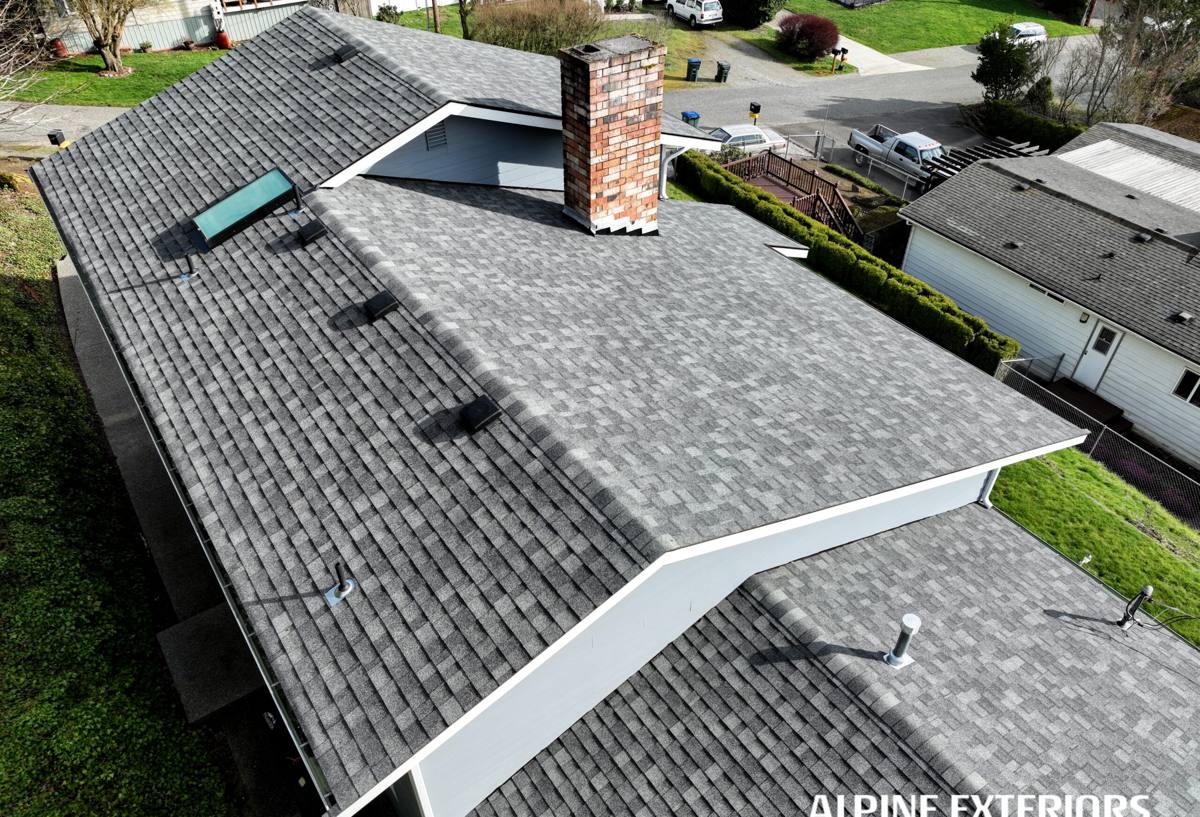
 New Roof Installation for Cordata Homes
Cordata sits close enough to the water and to the timber that its roofs take a different kind of beating than roofs twenty miles inland. Homeowners here are dealing with a mix of salt-laden air moving up from Bellingham Bay, long stretches of driving rain off the Strait, and a moss season that can run eight or nine months out of the year under the tree cover common in this part of Whatcom County. A roof that's installed without accounting for all three of those factors tends to look tired fast, even if the shingles themselves are rated for decades of service.
We install new roofs for Cordata homeowners on a regular basis, which means we're not guessing at what this specific pocket of Ferndale needs. We know which slopes hold moss longest, which exposures take the worst of the wind-driven rain, and which underlayment and ventilation choices actually hold up here versus what looks fine on paper in a manufacturer's brochure written for a drier climate.
What Cordata's Climate Does to a Roof
Salt Air and Metal Fasteners
Even a few miles inland from the bay, airborne salt finds its way onto roofing metal — flashing, drip edge, nail heads, vent caps. Over years, the wrong grade of fastener or flashing will corrode faster than the shingles around it wear out, leading to leaks that start at a rusted nail long before the roofing material itself is due for replacement. We spec corrosion-resistant fasteners and flashing on every install in this area, not as an upgrade, but as the baseline.
Driving Rain and Wind-Driven Water
Storms coming off the water don't just fall straight down — they push rain sideways into laps, valleys, and anywhere two roof planes meet. A roof that's watertight in calm rain can still leak in a wind-driven event if the underlayment, valley treatment, and shingle sealing weren't built for it. This is where installation quality matters more than the shingle brand printed on the wrapper.
Moss and the Tree Cover Common to Cordata
Shaded lots and mature trees are part of what makes this neighborhood pleasant to live in, but they also mean roofs stay damp longer after every rain and get less direct sun to dry out. That combination is exactly what moss needs to establish itself. Once moss gets a foothold, it holds moisture against the roofing material and can work its way under shingle edges over time, which shortens the life of the roof and creates entry points for water.
What a Correct Roof Install Actually Involves
A new roof is more than shingles nailed to plywood. Every layer underneath the visible surface is doing work, and in a climate like this one, skipping or downgrading any of them shows up as a problem within a few years rather than a few decades.
- Tear-off and deck inspection: Old roofing removed down to the sheathing so we can actually see the deck condition, not guess at it from underneath.
- Rot and soft-spot repair: Any damaged or spongy sheathing gets replaced before anything new goes down — covering rot with new roofing just hides the problem.
- Ice-and-water shield at vulnerable points: Eaves, valleys, and roof-to-wall transitions get self-adhering waterproof membrane, since these are the spots where wind-driven rain and ice cause the most damage.
- Synthetic underlayment across the field: A durable, breathable layer over the rest of the deck that outperforms old-style felt in wet climates.
- Corrosion-resistant flashing and fasteners: Chosen specifically for the salt-air exposure this area gets, not generic hardware.
- Balanced attic ventilation: Intake and exhaust venting sized to move moist air out of the attic, which protects both the new roof from underneath and the home's energy efficiency.
- Proper shingle nailing pattern and exposure: Installed to the manufacturer's wind-rated specification, not a faster shortcut pattern.
- Final inspection and cleanup: Magnetic sweep for nails, gutter check, and a walkthrough before we consider the job done.
Ventilation Deserves Its Own Mention
In a wet, moderate climate like Ferndale's, a roof that isn't ventilated correctly traps moisture in the attic. That moisture condenses, soaks insulation, and can rot the underside of the deck from the inside — a failure mode that has nothing to do with the shingle quality and everything to do with airflow. We check and correct ventilation as part of every full roof replacement, not as an add-on sold separately.
Roofing Material Comparison for This Climate
There's no single "best" roofing material for every home — it depends on budget, roof pitch, tree cover, and how long you plan to stay in the house. Here's how the common options stack up for a shaded, damp lot like most in Cordata.
| Material | Moss Resistance | Typical Lifespan Here | Notes for This Area |
|---|---|---|---|
| Architectural asphalt shingle | Moderate — benefits from algae-resistant granules | 25–30 years | Most common choice locally; good balance of cost and durability |
| 3-tab asphalt shingle | Lower — thinner profile holds less resistance | 15–20 years | Lower upfront cost but shorter service life in wet, shaded conditions |
| Metal panel roofing | High — sheds moisture and moss struggles to grip | 40–50+ years | Higher upfront cost; needs marine-grade fasteners and coatings near the bay |
| Cedar shake | Low without diligent upkeep | 20–30 years with maintenance | Attractive but demands regular moss and moisture maintenance in this climate |
For most Cordata homes, we steer people toward algae-resistant architectural shingles or metal, simply because both hold up better against the shade-and-moisture combination this neighborhood deals with. We'll walk through the honest trade-offs — cost, appearance, maintenance — for your specific roof rather than pushing one product across the board.
Signs a Cordata Roof Needs Full Replacement, Not a Repair
Not every roof problem calls for a full tear-off. But there are signs that patch repairs are just delaying an inevitable replacement, and in some cases spending money on repairs at that point is money that would be better put toward a new roof.
- Granule loss heavy enough that shingles look bald or patchy from the ground
- Moss established across large sections rather than isolated spots
- Multiple past repairs in different areas of the roof rather than one localized issue
- Soft or spongy decking discovered during any inspection
- Daylight visible through the roof deck from inside the attic
- Shingles curling, cracking, or losing their seal at the edges
- The roof is past or near the end of its rated lifespan for its material
Our Process, Start to Finish
- On-site inspection: We look at the whole system — deck, ventilation, flashing, gutters — not just the shingles, and take measurements for an accurate estimate.
- Written estimate and material selection: A clear breakdown of scope and material options, with honest input on what fits your roof and budget.
- Scheduling around weather: We plan installs around Whatcom County's rain patterns to keep your home protected during the tear-off window.
- Tear-off and deck repair: Old roofing removed, deck inspected and repaired as needed before anything new goes on.
- Full system installation: Ice-and-water shield, underlayment, flashing, ventilation, and shingles installed to spec.
- Final walkthrough: We review the finished roof with you and answer any questions before we call the job complete.
Why a Crew That Already Works Cordata Matters
Roofing crews that split their time across a wide territory don't always have a feel for how a specific neighborhood's tree cover, wind exposure, and drainage patterns behave. A crew that regularly works Cordata and the surrounding parts of Ferndale has already seen which roofs in this area hold up and which ones don't, and adjusts the install accordingly — heavier moss protection on shaded lots, better flashing on homes closer to open exposure, ventilation sized for the humidity this area holds onto longer than drier inland communities. That local pattern recognition is hard to replicate from a crew that only shows up once.
It also means faster response if something needs attention after the install — warranty callbacks, storm damage checks, or just a question about maintenance — because we're not driving in from across the county to get to you.
Maintaining Your New Roof in This Climate
A correctly installed roof still benefits from basic upkeep in a climate like this one. A few habits go a long way toward getting full value out of a new roof installation.
- Have moss growth removed gently before it spreads, rather than left to establish itself
- Keep gutters clear so water isn't backing up under the roof edge, especially under heavy tree cover
- Trim back overhanging branches that keep sections of the roof shaded and damp
- Schedule a roof check after major windstorms to catch any lifted or damaged shingles early
- Avoid pressure washing shingles directly — it can strip protective granules and shorten roof life
If your Cordata roof is showing its age or you're planning ahead for a replacement, we're happy to take a look and give you a straightforward, no-pressure estimate — just fill out the form below and we'll get in touch.