 Ferndale Siding
 Windows Built for Life on the Water in Semiahmoo
Semiahmoo sits right up against the water, and that changes what a window has to survive. Homes here take on salt-laden air, near-constant wind off the bay, and driving rain that hits siding and window assemblies sideways rather than straight down. Add in Whatcom County's long, damp moss season, and you have a climate that is genuinely harder on exterior building materials than most inland neighborhoods just a few miles away. Windows are one of the first places that stress shows up — through fogged glass, stiff or corroded hardware, drafts around the frame, and trim that stays wet long after the rain stops.
Energy-efficient window replacement in this setting is not just about lowering a heating bill. It is about choosing materials and installation details that hold up to marine exposure while also cutting the heat loss and condensation problems that come standard with older windows in a wet, mild climate. This page covers what that actually looks like for a Semiahmoo home.
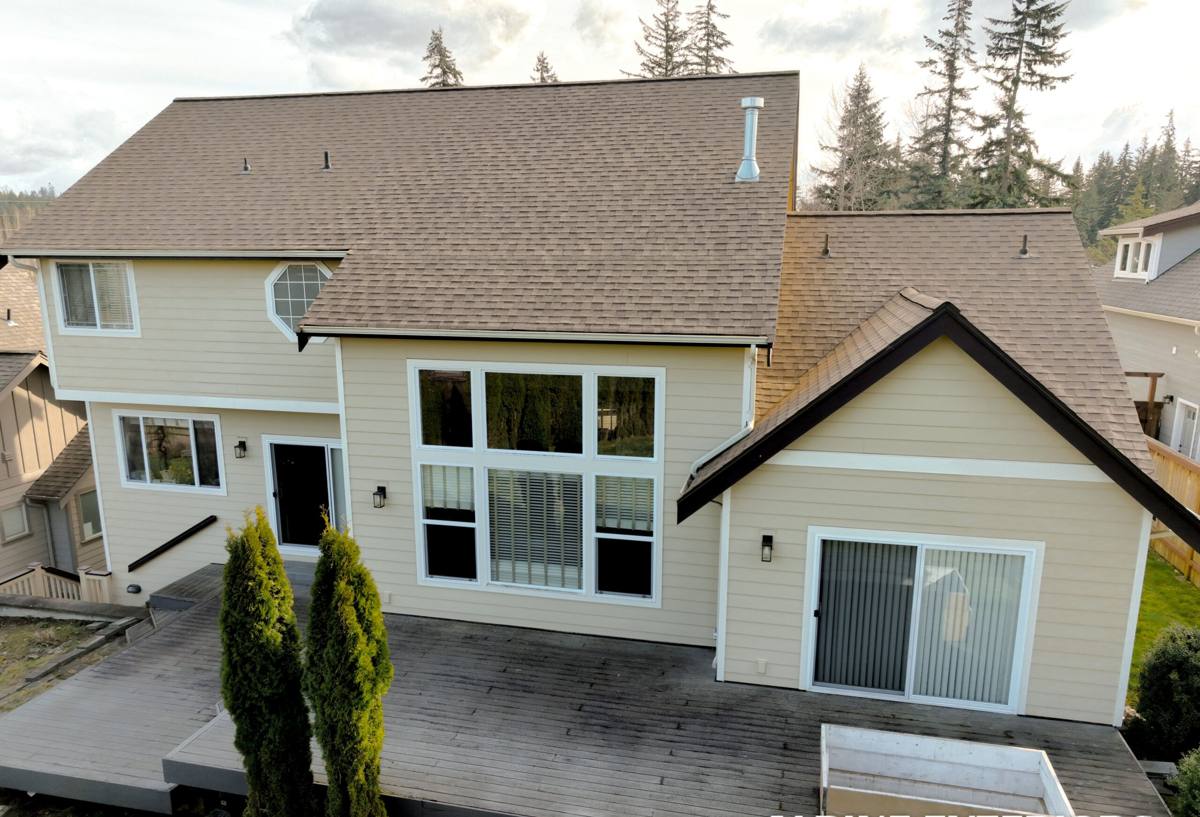
Signs a Semiahmoo Home Is Due for Window Replacement
Because of the coastal exposure, window problems here tend to show up earlier and more visibly than they would inland. Common signs we see on service calls in this area include:
- Persistent fogging or a cloudy film between panes on double-pane windows — a sign the seal has failed and the insulating gas has escaped
- Hardware (locks, cranks, hinges) that has corroded, stiffened, or discolored from salt exposure
- Visible daylight, drafts, or whistling around the frame during windy weather off the bay
- Soft or discolored trim and sills, especially on window elevations facing the water or prevailing wind
- Condensation forming on the inside of the glass during cold, damp stretches — often a sign of poor insulating value, not just humidity
- Moss or dark streaking building up on horizontal window sills and sashes, even after cleaning
Any one of these can happen occasionally in a healthy window. Several of them together, or the same problem returning year after year, usually means the window itself — not just the caulking — needs attention.
What "Energy-Efficient" Actually Means in This Climate
Western Washington's marine climate is mild compared to inland or mountain climates, but it is also consistently damp and overcast for long stretches of the year. That combination changes which window performance numbers matter most.
U-Factor Matters More Than Solar Heat Gain
In our climate, keeping heat inside the house (a low U-factor) generally matters more than blocking solar heat (a low SHGC), since Semiahmoo doesn't deal with the intense summer sun load that drives window selection in hotter regions. Energy codes and ENERGY STAR guidance for our region typically call for U-factors in the low 0.30s or better — the lower the number, the less heat escapes through the glass and frame.
Low-E Coatings and Gas Fills
A quality low-emissivity (low-E) coating reflects heat back into the room in winter without noticeably darkening the glass. Paired with an argon or krypton gas fill between panes, it meaningfully cuts heat loss compared to older double-pane units, especially the single-pane or early-generation dual-pane windows still common in older Whatcom County homes.
Condensation Resistance
Because of our humidity, condensation resistance is worth asking about specifically. A window with a poor thermal break will sweat on cold mornings, which over time can damage sills, trim, and interior finishes — a bigger practical issue here than in a drier climate.
Window Materials That Hold Up to Salt Air
Frame material choice matters more on the water than it does a few miles inland. Salt-laden air accelerates corrosion on metal hardware and fasteners, and constant moisture punishes anything prone to swelling, rotting, or finish failure.
| Frame Material | Salt Air / Moisture Performance | Insulating Value | Maintenance |
|---|---|---|---|
| Vinyl | Very good — will not rust or rot; UV-stable finishes hold up well | Good, especially multi-chamber designs | Low — occasional rinsing to clear salt film |
| Fiberglass | Excellent — dimensionally stable, resists corrosion and swelling | Very good to excellent | Low |
| Wood-Clad | Fair — the exterior cladding resists weather, but any breach at joints or corners invites rot | Very good | Higher — cladding seams and interior wood need periodic inspection |
| Aluminum | Poor to fair near salt water — prone to pitting and corrosion unless heavily coated | Poor unless thermally broken | Moderate — coating and hardware need monitoring |
For most Semiahmoo homes, we steer clients toward vinyl or fiberglass frames for this reason — not because wood-clad or aluminum windows are poor products in general, but because bare metal hardware and exposed wood joints are simply harder to keep ahead of this close to the water. Where a homeowner wants the look of wood-clad windows on a water-facing elevation, we talk through the added maintenance commitment up front rather than let it become a surprise five years in.
Why the Installation Matters as Much as the Window
A high-performance window installed poorly will underperform a mid-grade window installed correctly — especially in a climate with driving, wind-blown rain. Most of the leaks and drafts we find in "bad" windows actually trace back to the installation, not the unit itself.
Flashing and the Sill Pan
Every window opening needs a sloped sill pan and properly lapped flashing so that any water that gets past the exterior trim drains back out, not into the wall cavity. On a home taking direct wind-driven rain off the water, this detail is not optional — it is the difference between a window that stays dry for decades and one that quietly rots the framing behind it.
Integration With the Weather-Resistive Barrier
The window's flashing has to tie correctly into the house wrap or building paper behind the siding, shingled from top to bottom so water sheds outward at every layer. This is a detail that a crew focused only on window units — without siding and building envelope experience — can miss, because it is invisible once the trim goes back on.
Sealant, Not Just Caulk
Interior and exterior sealant joints need the right product for the material and location — a gap that just gets caulked over without proper backer rod and joint design tends to fail again within a season or two in this much moisture.
Our Process for Semiahmoo Window Projects
- On-site assessment. We look at each window's exposure, current condition, framing, and any signs of moisture intrusion — not just the glass.
- Product selection. We recommend frame material, glass package, and hardware based on that specific elevation's exposure to wind, rain, and salt air, not a one-size answer for the whole house.
- Precise measurement. Openings on older homes are rarely perfectly square; we measure and order to the actual opening, not the nominal size.
- Removal and inspection. Once the old window is out, we check the framing and sheathing underneath for hidden water damage before anything new goes in.
- Correct flashing and sill pan installation. This is where long-term performance is decided, and it is the step we do not shortcut.
- Window installation and sealing. Set, shim, fasten, insulate, and seal to manufacturer specifications.
- Exterior trim and siding integration. Because we work in siding as well as windows, we tie the new trim back into the surrounding siding cleanly, rather than leaving a mismatched patch.
- Walkthrough and cleanup. We confirm operation, check for square and smooth function, and clean up the work area before we leave.
Why a Crew That Already Works Semiahmoo Matters
Window replacement on the water is a different job than window replacement in a sheltered inland neighborhood, even within the same county. A crew that regularly works Semiahmoo and similar waterfront pockets of Whatcom County already knows to plan around wind exposure during installation, to expect corrosion on old hardware before they even open the wall, and to size flashing details for driving rain rather than a light inland shower. That experience shows up in fewer surprises mid-project and a finished install that is sealed correctly the first time — not a callback six months later when the rain returns in earnest.
It also matters for scheduling. Coastal wind and rain windows can be narrower here than a few miles inland, and a crew familiar with the area plans installation days around that reality instead of losing a project to weather delays.
Living With Windows in a Salt Air, Moss-Season Climate
Even a well-installed, high-quality window benefits from a little seasonal attention in this environment. A short annual routine keeps small issues from becoming replacement-level problems:
- Rinse salt film off frames and glass a few times a year, especially on elevations facing open water
- Check and clear weep holes along the bottom of the frame so water drains instead of pooling
- Inspect exterior caulking and sealant joints each fall before the wet season sets in
- Clear moss and organic buildup from horizontal sills and nearby trim before it holds moisture against the wood or vinyl
- Exercise locks and cranks periodically so hardware doesn't seize from disuse plus salt exposure
- Watch for condensation between panes as an early sign of seal failure, and address it before it affects the frame
What Affects the Cost of a Window Project
| Factor | Why It Affects Cost |
|---|---|
| Number and size of windows | More openings and larger units mean more material and labor |
| Frame material | Fiberglass typically costs more than vinyl; both outperform bare aluminum near salt water |
| Glass package | Upgraded low-E coatings, gas fills, and triple-pane glass add cost but improve comfort and efficiency |
| Full-frame vs. retrofit replacement | Full-frame replacement (down to the framing) costs more than a retrofit into the existing frame, but is often the right call when there's hidden water damage |
| Access and elevation | Upper-story or hard-to-reach windows on water-facing sides can add labor time |
| Trim and siding integration | Matching new trim into existing siding cleanly takes more time than a simple unit swap |
Because every home's exposure and existing condition is different, real numbers come from an on-site look rather than a phone estimate. If you're weighing whether it's time to replace windows on a Semiahmoo property, we're happy to take a look, tell you honestly what we find, and put together a free, no-pressure estimate using the form below.