 Ferndale Siding
 Window Replacement for Sumas Homes, Handled by a Ferndale Crew
Sumas sits at the edge of Whatcom County, close enough to the Canadian border that a lot of the housing stock here is older — farmhouses, mid-century ranches, and additions built onto both. Windows in these homes were often installed decades ago, sometimes more than once, and rarely with the flashing details that today's building codes call for. When we come out for window replacement in this area, we're not just swapping glass — we're usually fixing how the window meets the wall, which is the part that actually keeps water out.
We're based in Ferndale and work throughout Whatcom County, including Sumas. That matters more than it sounds like it should, and we'll get into why further down. For now, the short version: window replacement done right in this climate is a moisture-control project first and an energy-efficiency project second. Get the first part wrong and the second part doesn't matter.
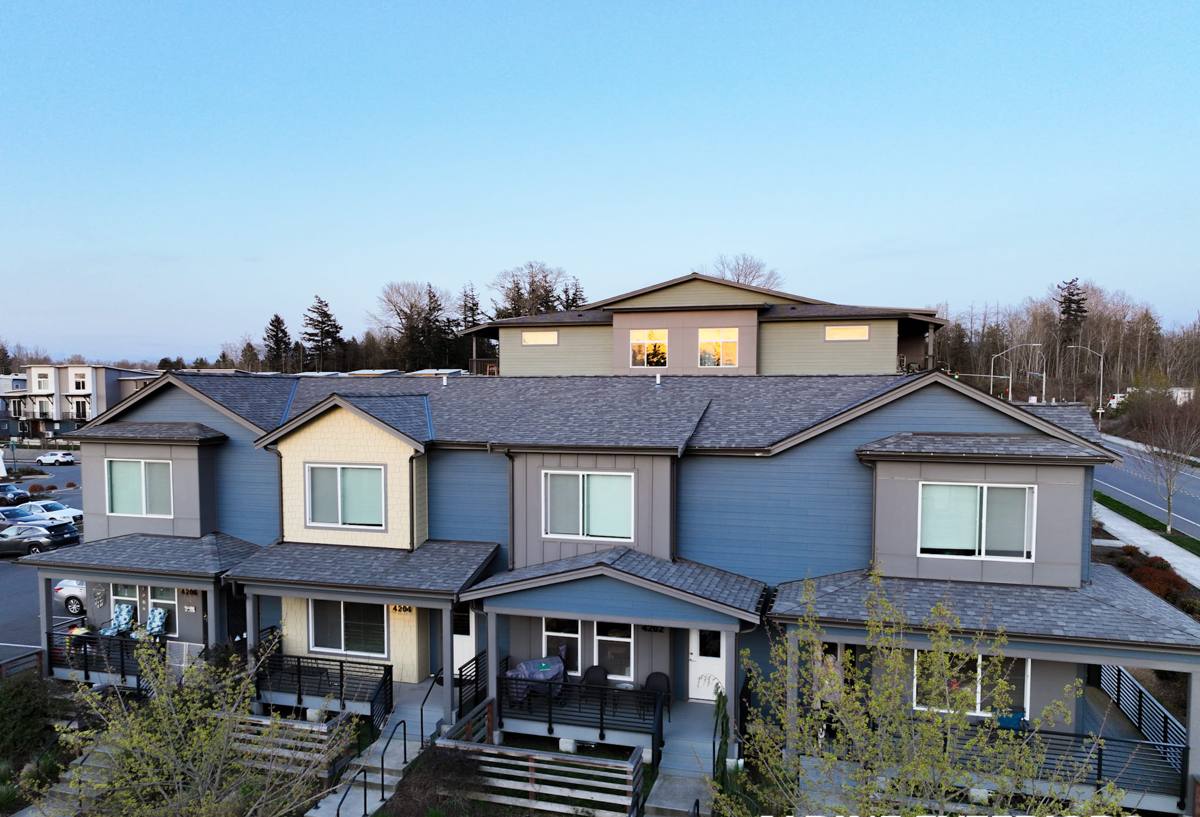
What This Climate Does to Old Windows
Whatcom County's weather runs from salt-tinged marine air near the coast to long stretches of driving rain and heavy humidity as you move inland toward Sumas. Old windows don't handle either well. Wood sashes swell and stick in wet months, then shrink and rattle when things dry out. Aluminum frames conduct cold straight through, which shows up as condensation and, eventually, soft trim underneath. Vinyl frames from the 80s and 90s were often installed without proper flashing tape or sill pans, because that wasn't standard practice yet — it is now, for good reason.
Condensation and Indoor Humidity
Homes here run more humid indoors than people expect, especially with modern insulation and tighter construction trapping moisture that used to leak out through old, drafty windows. Single-pane and older double-pane units with failed seals fog up between the panes or sweat heavily on cold mornings. That moisture doesn't stay on the glass — it migrates into the sill and the wall framing below it.
Wind-Driven Rain
Storms coming through this part of the county don't just fall straight down; they push rain sideways into window openings, especially on west- and south-facing walls. A window that's watertight in a light drizzle can still leak under a hard-driving storm if the flashing wasn't lapped correctly with the house wrap. This is the single most common failure point we find when we pull old windows out.
Signs a Sumas Home Is Ready for Window Replacement
Most homeowners call us after noticing one or two of these, not because they set out to replace windows on a schedule. Worth checking your own house against this list before winter:
- Fogging or a hazy film between the panes of a double-pane window — the seal has failed and the gas fill is gone
- Soft, discolored, or spongy wood trim or sill directly under or around a window
- Windows that won't stay open on their own, or are painted shut
- Visible daylight or a noticeable draft around the frame when it's windy out
- Condensation that collects on the inside of the glass most mornings, even with the heat running
- Higher heating bills than similar-sized homes nearby, with no other obvious cause
- Peeling paint or stained siding in a band just below a window — a sign water has been getting behind the frame
- Single-pane glass anywhere other than a few original character windows you're intentionally keeping
Choosing Materials and Glass for This Climate
There isn't one "best" window — there's a best fit for the wall it's going into, the home's style, and the budget. In Whatcom County, we steer most homeowners toward options that handle sustained moisture and temperature swings without a lot of upkeep.
| Frame Material | How It Handles This Climate | Maintenance |
|---|---|---|
| Vinyl | Good moisture resistance, doesn't rot or corrode, stable performance in cold and wet conditions | Low — occasional cleaning |
| Fiberglass | Excellent dimensional stability, holds up well to freeze-thaw and humidity cycles, strong for larger openings | Low |
| Wood-clad | Warmer interior look, clad exterior protects from weather, but any breach in the cladding invites rot | Moderate — watch seals and caulking |
| Aluminum | Conducts cold readily, prone to condensation and corrosion near salt air; we rarely recommend it here | Moderate to high |
On glass, double-pane with a low-E coating and argon fill is the practical standard for this area — it balances heat retention with cost. Triple-pane adds a real but smaller improvement in insulation and sound damping; it's worth discussing for north-facing rooms or homes near a busier road, but it's not a must-have for most Sumas properties. What matters more than the pane count is getting the U-factor and solar heat gain coefficient matched to the home's orientation, not just picking the highest-rated window off a spec sheet.
Full-Frame Replacement vs. Insert Replacement
This is the decision that affects cost, timeline, and — most importantly — whether we can actually fix a moisture problem instead of just covering it up.
| Factor | Insert (Pocket) Replacement | Full-Frame Replacement |
|---|---|---|
| What it involves | New window fits inside the existing frame; old frame stays in the wall | Old frame is removed down to the rough opening; new flashing and window go in fresh |
| Best for | Frames that are square, dry, and structurally sound | Frames with rot, past leaks, settling, or unknown flashing history |
| Access to flashing | None — existing flashing (good or bad) stays hidden | Full access to correct or install proper flashing |
| Typical cost | Lower | Higher, but appropriate when the opening needs real repair |
| Risk if used on the wrong opening | Traps existing moisture damage behind the new window | Not applicable — this is the more thorough option |
We don't default to the cheaper option without checking first. If we open up a bay and find soft sheathing or old water staining, we'll tell you before we go further — patching over a wet wall with a new window on top of it isn't a fix, it's a delay.
How We Install: The Details That Prevent Leaks
The window itself is only part of the job. What actually keeps water out over the long run is the sequence underneath it:
- Remove the old unit and inspect the rough opening for rot, soft framing, or signs of past water intrusion
- Repair or replace any damaged framing before anything new goes in
- Install a sloped sill pan so any water that gets past the window drains back out, not into the wall
- Set the new window level, plumb, and properly shimmed — not just "close enough"
- Flash the sides and top with a proper shingle-lap sequence, integrated correctly with the house wrap
- Seal and insulate the gap between the window and framing without overpacking it, which can bow the frame
- Finish trim and siding tie-in so the exterior sheds water the way it's supposed to
Because we're a siding contractor as well, this last step is where we differ from window-only installers. We're not handing you off to someone else to figure out how the new window ties into your existing siding — we do both, so the transition is watertight and looks right, not just caulked over.
Why Hire a Crew That Already Works in Sumas
Being based in Ferndale and working this part of Whatcom County regularly means we already understand what a given decade of home construction looked like out this way, what products actually hold up to the rain and humidity here, and what a realistic timeline looks like once weather is factored in. It also means we're not guessing at drive time for a follow-up visit if something needs adjusting after the install — we're already in the area.
A crew that mostly works somewhere with a different climate — drier, milder, less wind-driven rain — can still install a window competently. But the flashing details that matter most here are exactly the ones that get skipped when they're not habit. That's the gap we try to close.
What to Expect: Timeline, Permits, and Cleanup
Most residential window replacement projects — a handful of windows, not a whole-house re-glaze — run one to a few days on site, depending on how many units and whether we run into framing repairs along the way. Larger or full-house projects take longer. Some window replacement work requires a permit depending on scope and whether it changes egress openings; we'll tell you upfront if yours does and handle that process rather than leaving you to sort it out.
We work around weather when we can, but we also take precautions — like limiting how many openings are open at once and having weather protection ready — so a surprise squall doesn't turn into water damage inside your home mid-project. Cleanup includes removing old windows and debris; we don't leave that for you to deal with.
Get a Straight Answer on Your Windows
If you're not sure whether your Sumas home needs a couple of windows replaced or a full-frame overhaul, we're happy to take a look and give you an honest read — no pressure, no upsell. Use the form below to request a free estimate and we'll get back to you to schedule a time to come out.