 Ferndale Siding
 Sudden Valley homes face a specific set of conditions that don't show up the same way everywhere in Whatcom County. Sitting near the water means salt-laden air working on metal components year-round, driving rain that comes in sideways during winter storms, and a long stretch of the year where moss and moisture sit against every north-facing surface. Windows take the brunt of all three. A window that's fine in a drier inland neighborhood can fail early here if it wasn't installed with this specific exposure in mind.
This page is about one thing: replacing windows on Sudden Valley homes, done by a crew that works this area regularly and understands what the local climate does to window systems over time. We're not going to cover every siding or roofing topic here — just what a homeowner in this neighborhood needs to know before replacing windows.
Why Sudden Valley Windows Wear Differently
Three climate factors do most of the damage to windows in this part of Whatcom County, and they compound each other:
- Salt air: Even homes set back from the water pick up airborne salt on breezy days. It accelerates corrosion on window hardware, screen frames, and lower-quality cladding, and it can dull finishes faster than a purely inland install.
- Driving rain: Wind-driven rain doesn't just fall on a window — it pushes against it, testing the seal and flashing detail around the frame. A window with a weak perimeter seal will show it here before it shows anywhere else on the house.
- Moss season: Long stretches of damp, low-light weather keep moisture sitting on north- and shade-facing walls for extended periods. That moisture works into any gap in the sealant or trim, which is where rot starts.
None of this means windows fail fast. It means the margin for error in the install is smaller. A window that's slightly under-flashed or caulked instead of properly sealed might last fine in a dry inland town. In Sudden Valley, that same shortcut tends to show up as a soft sill or a foggy pane within a few years.
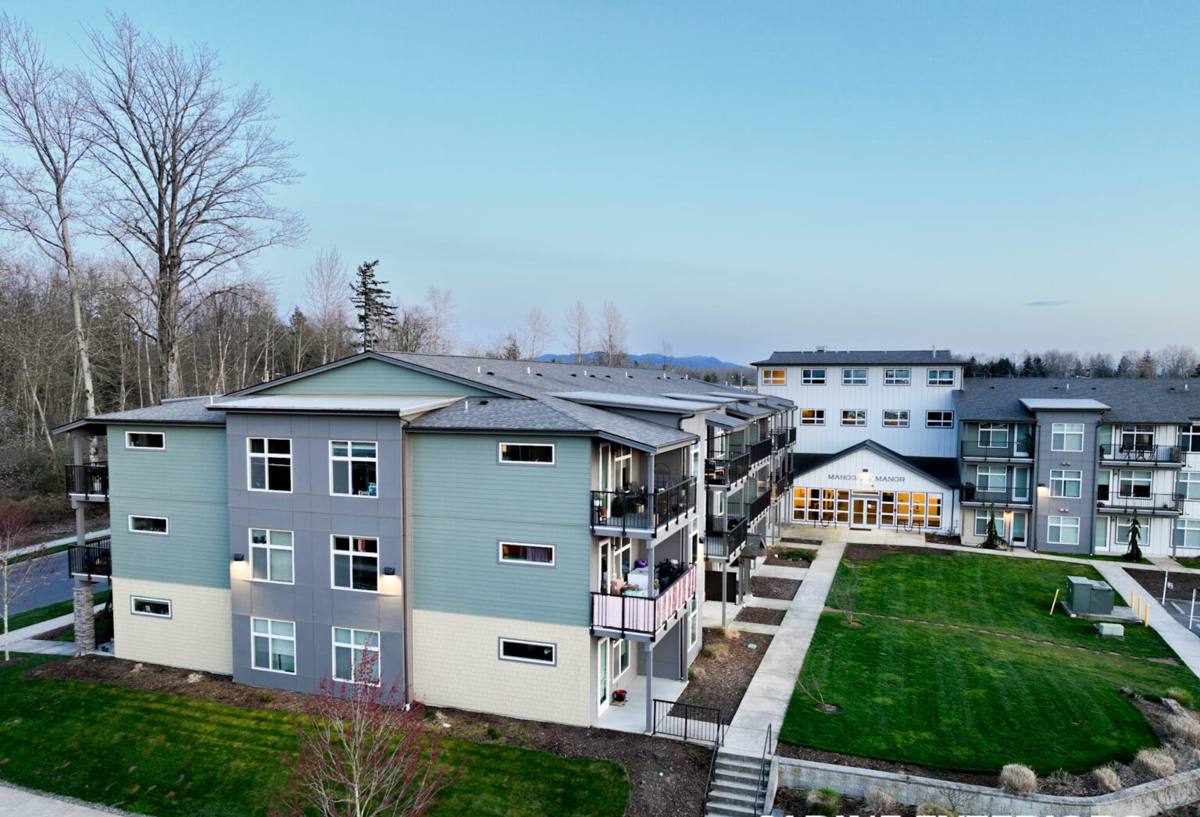
Signs It's Time to Replace, Not Repair
Not every window problem means full replacement. Here's how we sort it out when we look at a Sudden Valley home:
| What You See | Usually Means |
|---|---|
| Fog or moisture between panes | Failed seal — the insulated glass unit needs replacing, sometimes the whole window |
| Drafts you can feel near the frame | Could be weatherstripping (repairable) or a failing frame seal (replace) |
| Wood trim that's soft or discolored at the sill | Water intrusion — inspect for rot before deciding repair vs. replace |
| Window is hard to open, close, or lock | Frame has shifted or warped — usually a replacement issue |
| Visible corrosion on hardware or tracks | Common with salt air exposure — hardware can sometimes be swapped, frame may still be sound |
| Green or black growth around the frame edges | Sign of prolonged moisture retention — needs inspection of the surrounding wall assembly |
We'll tell you honestly when a repair will hold and when it won't. There's no reason to replace a sound window, but there's also no point patching a frame that's already let water into the wall behind it.
What a Correct Window Replacement Actually Involves
A window replacement is more than swapping the unit in the opening. In an area with driving rain and long wet seasons, the details around the window matter as much as the window itself.
Removal and Opening Inspection
Once the old window is out, we inspect the rough opening for hidden water damage — soft framing, staining, or rot that wasn't visible from outside. This is often the only chance to catch a problem before it's sealed back up behind a new window for another 20-plus years.
Flashing and Weather Barrier
This is the step that matters most for a home in this climate. Proper flashing directs any water that gets past the exterior cladding down and out, away from the framing, instead of letting it sit against wood. We integrate the window flashing with the existing weather-resistive barrier so water has a continuous path out — not a gap where it can collect.
Setting and Sealing the Window
The window gets shimmed level and plumb, fastened per the manufacturer's specifications, and sealed with the appropriate sealant at the right points — not just a bead of caulk around the outside trim. Over-caulking a window is a common shortcut that actually traps moisture instead of shedding it; done right, water has somewhere to go if it does get past the outer seal.
Interior and Exterior Trim
Trim gets reset or replaced, caulked at the joints, and finished to match the surrounding siding or interior casing. On the exterior, this is also a chance to check that the siding around the window is in good shape and properly lapped over the new flashing.
Choosing Materials for This Climate
We install a range of window lines, but for Sudden Valley we lean toward frame materials and glazing packages that handle sustained moisture exposure and salt air well over time. A few honest trade-offs worth knowing:
- Vinyl frames resist corrosion entirely and need very little maintenance, which is a real advantage in salt air — the trade-off is less design flexibility for large or custom openings.
- Fiberglass frames hold up well to moisture and temperature swings and take paint if you want to match a specific trim color, but they cost more upfront.
- Aluminum-clad wood windows look good and perform well, but the cladding needs to be fully sealed at every joint — any gap becomes a moisture entry point over years of driving rain, so installation precision matters more with this option.
- Double vs. triple-pane glazing: double-pane with a quality low-E coating is standard and performs well here; triple-pane adds cost and weight and is usually only worth it if noise reduction or extreme efficiency is a priority.
We don't push a single brand as the answer for every home. What we do insist on is hardware rated for coastal or high-moisture exposure — standard hardware packages can corrode faster than the window itself in this environment.
How Our Process Works
- On-site assessment: We walk the home, look at each window from inside and out, and check for signs of water intrusion around openings, not just the glass itself.
- Written estimate: You get a clear breakdown of window counts, material options, and what's included — no vague allowances.
- Scheduling around weather: Window replacement means openings are exposed for part of a day. We plan around forecasted rain, which matters more here than in drier parts of the state.
- Install, one opening at a time: We don't leave multiple openings exposed at once. Each window is removed, inspected, flashed, set, and sealed before we move to the next.
- Cleanup and walkthrough: We walk you through the finished work, operation of each window, and any care notes specific to the materials installed.
Why Hiring a Crew That Works Sudden Valley Already Matters
A window replacement crew that mostly works drier, inland areas can still do competent work — but they may not default to the flashing and sealing details that this specific exposure calls for, simply because it's not what they see every day. A crew that already works Sudden Valley and the surrounding Ferndale-area neighborhoods knows which walls take the worst of the wind-driven rain, which orientations hold moss and moisture longest, and where salt air causes the most hardware wear. That local pattern recognition shows up in small decisions — an extra flashing detail here, a different sealant choice there — that add years to a window's service life.
It also matters for follow-up. If a question comes up six months or two years after installation, you're working with a crew that's still local, still reachable, and still stands behind work done in this exact environment.
Maintenance That Extends Window Life Here
Even a correctly installed window benefits from basic upkeep in this climate. A short annual checklist:
- Rinse accumulated salt residue off frames and hardware once or twice a year, especially on wind-exposed elevations.
- Check and clear weep holes at the base of the frame so water can drain instead of pooling.
- Inspect exterior caulk lines each fall before the wet season sets in, and touch up any cracked or separated sealant.
- Keep moss and debris cleared from window sills and adjacent trim, particularly on shaded, north-facing walls.
- Test locks and operating hardware periodically — early stiffness is often the first sign of corrosion starting.
Cost Factors to Expect
Every home is different, but a few factors consistently move the price on a Sudden Valley window replacement project:
| Factor | Why It Affects Cost |
|---|---|
| Frame material chosen | Vinyl, fiberglass, and clad-wood carry different material costs and labor requirements |
| Number and size of openings | More windows and larger openings mean more material, flashing, and labor time |
| Existing water damage found | Rot repair to framing or sheathing, if discovered during removal, adds scope |
| Access and elevation | Upper-floor or hard-to-reach windows take longer and may need staging or lifts |
| Trim and siding tie-in | Matching or repairing surrounding trim and siding adds finish work beyond the window itself |
We give straightforward, itemized estimates so you know what you're paying for and why — and we'll flag any hidden damage before it becomes a surprise mid-project.
If you're weighing window replacement for a Sudden Valley home, we're happy to take a look and give you an honest read on what your windows actually need — no pressure, no inflated scope. Reach out for a free estimate using the form below.